
Boxwood Shrubs for Evergreen Hedges & Year-Round Structure
Evergreen structure for crisp hedges, tidy borders, and four-season foundation style
Boxwoods are the “make it look finished” shrub—a year-round green structure that instantly sharpens a foundation bed, frames a walkway, and gives the whole landscape a clean backbone. What makes them so valuable is consistency: most varieties hold dense, small leaves and respond beautifully to light shaping, so you can go formal (straight lines, tight spheres, columns) or keep it natural and still get that polished look. They grow best in full sun to partial/dappled shade, and they’re adaptable to many soils as long as drainage is good—because soggy roots are where boxwoods start to struggle. If you’ve ever seen winter bronzing, that’s often tied to exposure and seasonal stress rather than “something you did wrong,” and it’s another reason smart placement (and a little wind protection) pays off.
Here’s the practical truth: boxwoods are low-maintenance, not no-maintenance—and the wins come from a few simple habits. Space plants for airflow, water at the base (especially the first year), and prune at the right time (late spring into early summer is the sweet spot for shaping) so new growth can harden off before winter. On the caution side, boxwood blight is a real concern in many areas, and pests like leafminer can cause cosmetic damage—so choosing good varieties, keeping foliage dry, and avoiding tight, humid plantings matters. And if pets are part of the family, it’s worth knowing boxwood is toxic if chewed, so place plants thoughtfully and clean up prunings. We back that confidence with the We Grow Together Promise.


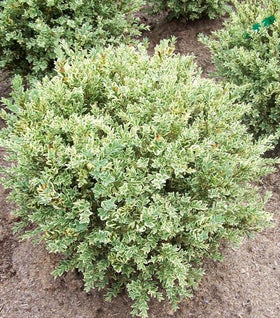
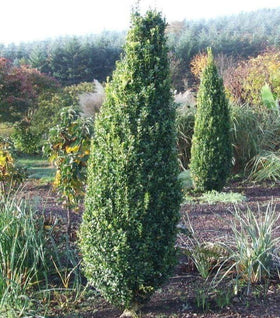
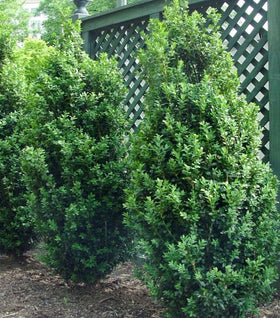

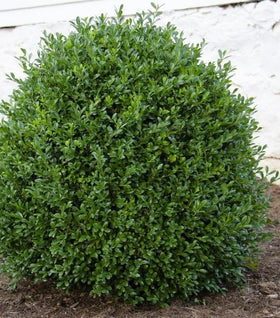
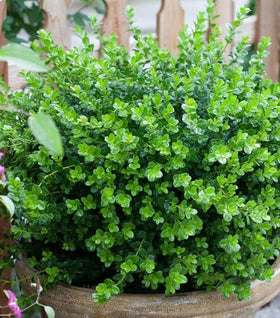
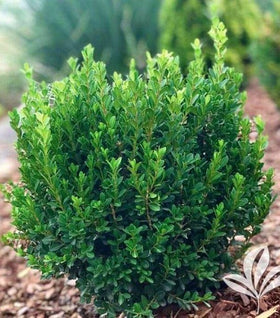
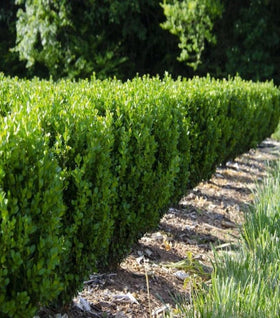
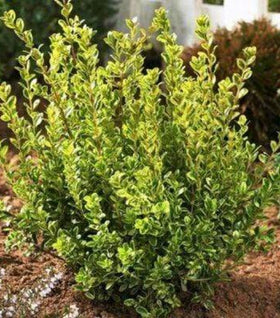
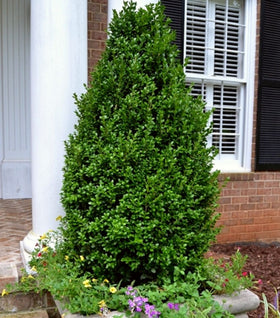

Shape a clean evergreen hedge line.
Boxwoods are a top choice when you want structure that doesn’t disappear after flowering season—because the appeal is the foliage itself. Use them to outline garden rooms, define property edges, or create a “green wall” that makes everything planted in front look more intentional. They’re especially effective along foundations, where the dense texture softens hard lines, hides bare winter stems from perennials, and keeps the front of the home looking cared-for in every month of the year. Full sun to partial shade works for many types, but the best-looking plantings usually balance light with some protection from intense winter wind and reflected heat.
This collection is built around the versatility of form—rounded mounds for low borders, upright shrubs for narrow hedges, and compact options that stay tidy without constant clipping. That variety is what lets you match the plant to the job: a low, dense edging plant behaves differently than a tall column meant for privacy in a tight footprint. A good example of the range is how compact, rounded types typically mature in the 3–4 ft neighborhood, while upright columnar forms can reach much taller with a narrow spread—so you can keep the same evergreen look while changing the “architecture” of the bed.
Boxwoods also play beautifully with other plants. They’re the calm, evergreen “anchor” behind seasonal bloomers, and they make bright foliage, roses, hydrangeas, and perennials look sharper by contrast. In mixed borders, boxwoods create reliable repetition—one of the easiest design tricks for a high-end look—while still leaving room for seasonal color changes. And because many boxwoods can be lightly shaped, you can keep sightlines clean near walks, steps, and driveways without relying on heavy pruning.
Don’t overlook containers. Boxwoods are classic in entry planters because they hold their shape, stay evergreen, and pair well with seasonal underplantings. The key is drainage and consistent watering (pots dry faster), plus avoiding harsh exposure that can dry foliage in winter wind. With the right pot size and a steady routine, you can get that formal “framed doorway” look even when you don’t have a big bed to work with.
See the forms, sizes, and textures.
Boxwoods offer a surprisingly wide range of mature sizes—everything from compact, slow-growing edging plants to larger shrubs built for mid-height hedges and screens. Many commonly planted landscape types fall somewhere in the broad 2–6 ft range over time, depending on cultivar and conditions, while specialty forms may stay smaller or grow taller and narrower for tight spaces. The best buying decision is to choose based on mature width first, because width is what determines whether your hedge feels crisp and manageable—or crowded and hard to keep healthy.
Growth rate is typically slow to moderate, which is exactly what you want for a plant you’re going to shape. Slow-to-moderate growth builds density without turning maintenance into a constant trimming project, and it helps plants hold a clean line longer between haircuts. In practical terms, many boxwoods add just a few inches per year once established (varying by variety and growing conditions), so you’re investing in a shrub that improves steadily rather than outgrowing its role overnight.
Color and seasonal interest are mostly about foliage quality: rich green through most of the year, with potential winter bronzing in exposed or stressful conditions. Bronzing can be influenced by sun/wind exposure and winter weather, and it’s often reduced by smart siting, watering into late fall when dry, and avoiding late-season pruning that encourages tender growth. If you’re designing for winter impact, boxwoods are one of the cleanest ways to keep structure in place when flowering shrubs are dormant.
What you’re really “getting” with boxwoods is a controllable silhouette. Some varieties naturally form tight spheres; others lean upright and narrow; others are soft mounds that look great with minimal shaping. That natural habit matters because it determines how much work it takes to maintain your preferred look—formal geometry vs. an easy, slightly looser hedge. Match the plant’s habit to your goal, and your long-term maintenance becomes simple and predictable.
Plant Boxwoods for long-term density and winter color.
Boxwoods generally perform best in full sun to partial/dappled shade, with good drainage as the non-negotiable. For many landscapes, a bright site with some protection from harsh afternoon exposure or winter wind is ideal—enough light for dense growth, but not so much stress that foliage dries or bronzes. Avoid low spots where water sits after rain; consistent wet soil can lead to decline and set the stage for root and stem diseases.
Spacing is where you can “design” the final look. For a formal hedge that fills in quickly, many planting guides recommend spacing in the 12–24 inch range (often around 15–18 inches on center for tighter hedges), adjusted based on the cultivar’s mature width. For more natural foundation shrubs or informal borders, wider spacing (roughly 2–4 feet apart, depending on mature size) keeps plants healthier and reduces the need for aggressive trimming later.
Functional placement is where boxwoods really shine: foundation lines, front-walk borders, driveway edges, and “green punctuation” at corners and entry points. Upright forms can create privacy or a narrow screen without eating up bed depth, while rounded types create a tidy, low hedge that doesn’t block windows. If you’re planting in a windy or very sunny winter exposure, consider placing boxwoods where a structure, fence, or taller shrubs reduce wind desiccation—small placement changes can make a big difference in winter appearance.
Keep boxwoods healthy with simple routines.
Watering is most important during establishment. Boxwoods tolerate some drought once rooted, but they look best when they’re not stressed—especially heading into winter—so deep, occasional watering during long dry stretches is a smart habit. Mulch helps regulate soil moisture and temperature, but keep it pulled back from stems to avoid trapping moisture where disease can start. Good airflow inside the plant is also part of “care,” which is why thinning (not constant shearing) is often recommended for healthier interiors.
Fertilizing is usually light and situational rather than heavy and routine. Boxwoods are adaptable to a range of soil types and pH (often cited as performing well in roughly the mid-5s to low-7s), and overfeeding can push tender growth that’s more vulnerable to stress and pests. If you fertilize, do it to support steady growth (typically spring) and avoid late-season feeding that encourages soft growth going into cold weather.
Pruning timing is the confidence-maker: late spring into early summer is commonly recommended for shaping and trimming, with an optional light touch later in summer if needed—while avoiding heavy late-summer/fall pruning that can trigger tender growth before winter. Remove dead or damaged wood anytime, but save major shaping for the safer seasonal window. Keeping tools clean and avoiding wet foliage (especially overhead irrigation) also reduces disease risk across the planting.