Images Depict Mature Plants
China Boy Holly
Ilex x meserveae 'Mesdob'
China Boy Holly is one of those plants that quietly does a lot of work in the landscape. It looks good on its own as a glossy evergreen hedge or foundation shrub, but it also helps China Girl and other female hollies put on the berry show people really want. For year-round structure and smart holly planning, this is a very useful shrub to have in the mix.

15% OFF SITEWIDE SALE
Use Code 'PRIMETIME15' At Checkout
📦 Free shipping on orders over $99.
Delay shipping by leaving us a message at Checkout.
Share:

A Cold-Hardy Evergreen Holly for Structure and Pollination Support
A Dependable Male Holly with Year-Round Beauty
China Boy Holly is one of the most useful evergreen hollies for homeowners who want classic holly character along with dependable landscape performance. As a male Meserve holly, it brings glossy dark green foliage, dense branching, and strong winter hardiness to the garden while also serving an important role in pollinating berry-producing female hollies nearby.
This plant works beautifully on its own, not just as a pollinator. It has the evergreen presence and tidy, substantial habit that make it a valuable landscape shrub year-round.
Glossy Evergreen Foliage with Classic Holly Character
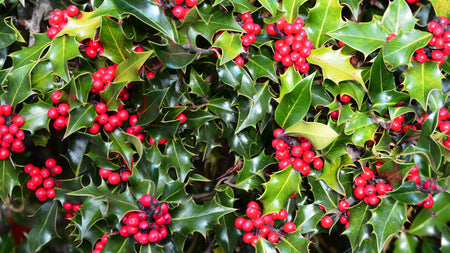
One of the biggest reasons to plant China Boy Holly is the foliage. The leaves are lustrous dark green with a classic holly texture and spiny edges, giving the plant a polished look that works in traditional, formal, and mixed foundation landscapes alike.
That evergreen foliage keeps beds looking anchored year-round. Even in winter, when deciduous shrubs have dropped their leaves, China Boy Holly continues to provide structure, color, and a strong finished look.
An Essential Pollinator for China Girl and Other Female Hollies
China Boy Holly is especially valuable because it provides pollination for berry-producing female hollies such as China Girl Holly or Nellie Stevens Holly. When planted nearby, it helps support the bright red winter berry display that makes female Meserve hollies so popular in residential landscapes.
That pollination role gives China Boy a practical edge that many evergreen shrubs lack. Homeowners can use it as part of a pairing that creates both year-round structure and stronger winter ornamental value across the planting.
Excellent for Hedges, Foundations, and Privacy
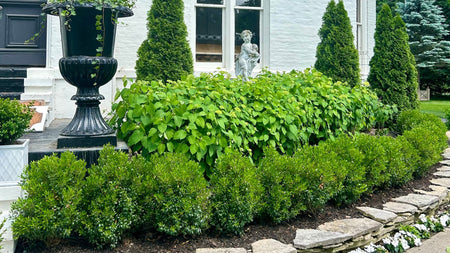
China Boy Holly is especially effective in hedges, foundation plantings, and evergreen screens. Its dense, upright habit makes it useful where homeowners want privacy, winter structure, or a strong, broadleaf evergreen backdrop without relying solely on more common conifers.
Because it is both functional and attractive, it gives more value than a basic green hedge. It can work as a formal shrub, a mixed-border evergreen, or a companion planting that helps nearby female hollies perform better.
Cold Hardy and Easy to Use in Residential Landscapes
As part of the Meserve holly group, China Boy Holly is known for stronger cold hardiness than many traditional hollies. That makes it especially appealing for homeowners who want the classic holly look in climates where winter reliability matters.
For homeowners who want a glossy evergreen shrub with strong hedge value and dependable pollination support for female hollies, China Boy Holly is an excellent choice. It offers practical utility, cold-hardiness, and year-round clean beauty in one versatile shrub.
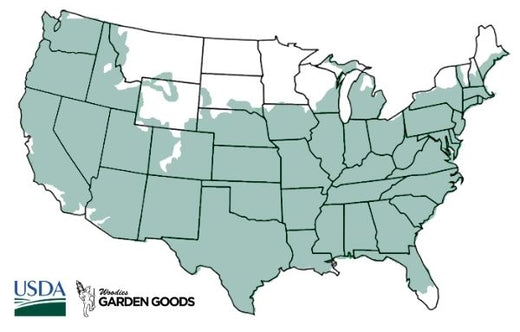
| Hardiness Zone: | 5-9 |
|---|---|
| Mature Height: | 8 to 10 Feet |
| Mature Width: | 4 to 6 Feet |
| Sunlight: | Full sun to part shade |
| Soil: | Average, medium-moisture, well-drained soil |
| Water: | Moderate; water regularly during establishment |
| Bloom Time / Color: | Spring; small whitish flowers |
| Ornamental Features: | Glossy dark green spiny leaves, dense upright habit, classic evergreen holly texture |
| Pollination Role: | Male pollinator for China Girl Holly, Nellie Stevens Holly and other female Meserve hollies |
| Wildlife Value: | Dense branching offers cover and habitat value |
| Resistance (deer/disease/drought/etc.): | Cold hardy; generally easy care once established |
| Landscape Uses: | Hedge, foundation planting, evergreen screen, pollinator companion planting, mixed shrub border |
How to Care for China Boy Holly
Before you buy a China Boy Holly, make sure to read about the recommended care instructions to keep this holly healthy and thriving.

How should I plant China Boy Holly?
Plant China Boy Holly in a location with full sun to part shade and well-drained soil with average moisture. Dig a hole about twice as wide as the root ball and no deeper than the root ball itself, then place the shrub so the top of the root ball sits level with or slightly above the surrounding soil. This helps support healthy root establishment and reduces the chance of planting too deeply. Backfill with native soil, water thoroughly, and mulch around the base to help retain moisture and reduce weed competition. Keep mulch a few inches away from the stems. If planting China Boy Holly for pollination, place it near compatible female hollies so it can help support better berry production.

How often should I water China Boy Holly after planting?
Water China Boy Holly deeply right after planting, then continue watering regularly during the establishment period. In most landscapes, that means a deep soaking once or twice per week depending on rainfall, temperature, and soil drainage. The goal is evenly moist soil while the shrub develops a strong root system. Once established, China Boy Holly becomes easier to manage, but it still performs best when not repeatedly stressed by long dry periods. Deep watering is much better than frequent shallow watering because it encourages stronger roots and healthier long-term growth.

When should I fertilize China Boy Holly?
Fertilize China Boy Holly only if needed, especially if growth appears weak or the soil is poor. If feeding is necessary, early spring is usually the best time to apply compost or a balanced fertilizer suited to evergreen shrubs to support steady healthy growth. Avoid overfeeding, especially on already healthy plants. In many landscapes, good drainage, proper siting, and consistent watering during establishment matter more than aggressive fertilization. The goal is dense evergreen growth and strong plant health rather than forced soft growth.

When and how should I prune China Boy Holly?
China Boy Holly responds well to light pruning and shaping. Late winter or early spring is usually the best time to remove dead, damaged, or awkward branches and refine the overall form before active new growth begins. If you are growing it as a hedge or formal evergreen, light selective shaping is usually enough. Because the plant naturally develops a dense, upright habit, heavy shearing is usually unnecessary to keep it attractive and useful in the landscape.