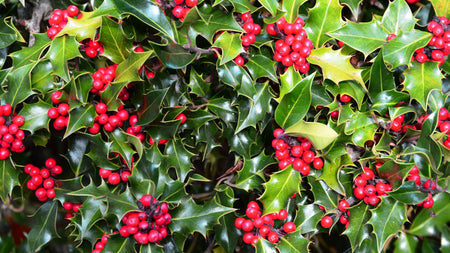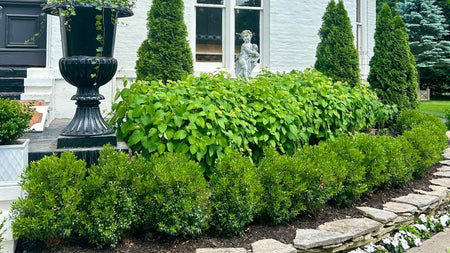


Images Depict Mature Plants
China Girl Holly
Ilex × 'Mesog'
I've always had a soft spot for hollies that look good twelve months out of the year, and China Girl Holly is one of my favorites for combining evergreen structure with beautiful red winter berries. What particularly appeals to me about this plant is that it gives homeowners something attractive during every season. The foliage stays glossy and green throughout the year, but the real reward comes when those brilliant red berries begin developing in the fall. I especially like using China Girl in foundation plantings and informal hedges where its dense branching creates a substantial evergreen presence. One thing I always stress is that China Girl needs a compatible male holly nearby for dependable berry production, and China Boy is the companion I recommend. I've seen plenty of beautiful female hollies that produce disappointing berry displays simply because the homeowner didn't understand pollination requirements. Give China Girl good drainage, adequate moisture, and room to mature, and avoid pruning away too many flower buds before spring. If you're looking for a holly that provides both practical landscape structure and the traditional red-berry appearance we associate with winter, I think China Girl paired with China Boy is an excellent combination.

15% Off Sitewide Sale!
Use Code 'SEASON15' At Checkout
📦 Free shipping on orders over $99.
Delay shipping by leaving us a message at Checkout.
Share:

China Girl Holly – Brilliant Red Berries and Evergreen Beauty for Every Season
Brilliant Red Berries Make China Girl Holly a Winter Standout
China Girl® Holly is an outstanding evergreen shrub for homeowners who want brilliant red winter berries, glossy dark green foliage, and dependable year-round landscape beauty. Known botanically as Ilex × 'Mesog', this cold-hardy female holly combines the traditional appearance of a classic holly with the adaptability needed for a wide range of residential landscapes. Its dense, naturally rounded growth habit creates an attractive foundation for garden beds, evergreen hedges, and mixed shrub borders. While the foliage remains handsome throughout the year, the plant becomes especially ornamental when its vivid red berries develop in the fall, providing color against the dark evergreen leaves.
One of the greatest advantages of China Girl Holly is its ability to provide something attractive in every season. During spring and summer, lustrous green foliage and dense branching create a rich backdrop for flowering plants. As autumn approaches, successfully pollinated female flowers develop into bright red berries that can remain ornamental through winter. This combination of structure and seasonal color makes China Girl particularly valuable near entryways, along property borders, and in foundation plantings, where appearance matters year-round. For gardeners looking for a cold-hardy evergreen holly with a classic winter berry display, China Girl is an especially appealing choice.
China Girl Holly Produces Beautiful Red Berries for Fall and Winter
The most distinctive ornamental characteristic of China Girl Holly is its ability to produce abundant, bright red berries that contrast beautifully with its deep green evergreen foliage. These rounded fruits develop after successful spring pollination and typically become increasingly noticeable during autumn. As the surrounding landscape loses its summer color, China Girl Holly begins to stand out, adding vivid red accents that can continue into the winter months. The berries develop along the branches, creating an attractive display that makes this shrub particularly desirable in traditional landscapes, winter-interest gardens, and holiday-inspired plantings.
For the best berry production, China Girl Holly should be planted near China Boy® Holly, its recommended male pollinator. China Girl produces female flowers, while China Boy produces pollen-bearing male flowers. When both cultivars bloom and insects transfer pollen between them, the female flowers can develop ornamental fruit. A lack of nearby compatible male flowers is one reason a healthy female holly may produce few berries. Weather, plant maturity, flowering conditions, and pruning also influence the eventual display. Pairing China Girl with China Boy provides the most reliable foundation for successful pollination, allowing homeowners to enjoy the ornamental benefits that make this cultivar so desirable.
Glossy Evergreen Foliage Adds Year-Round Landscape Structure
China Girl Holly has rich green, glossy leaves with the classic spiny texture of traditional holly foliage. Its leaves are leathery and substantial, giving the plant a polished appearance that works equally well in formal landscapes and more natural garden settings. The foliage remains on the shrub throughout the year, maintaining an attractive appearance during periods when deciduous plants have lost their leaves. Its dark green color creates an excellent contrast with flowering perennials, colorful shrubs, and ornamental grasses, making China Girl a dependable structural element in mixed plantings.
The shrub's evergreen character becomes particularly valuable during winter. When many garden beds lose their visual definition, China Girl Holly continues providing color, texture, and substantial foliage coverage. Its dense branching helps create a full appearance, while the dark green leaves serve as a backdrop for the brilliant red berries that can persist into the colder months. This combination of persistent foliage and seasonal fruit gives China Girl a stronger ornamental presence than many evergreen shrubs grown primarily for their foliage. For homeowners seeking four-season curb appeal, it is a versatile choice that works beautifully alongside flowering and deciduous landscape plants.
Create Evergreen Hedges with Beautiful Winter Berry Color
China Girl Holly makes an excellent choice for evergreen hedges, privacy plantings, and substantial foundation borders. Its naturally dense branching and broadly rounded growth habit create an attractive living screen that provides visual separation year-round. Unlike deciduous hedge plants, China Girl retains its foliage during winter, helping maintain privacy and structure when it is often needed most. Its leaves also provide a different texture from arborvitae and other conifers, making the shrub especially useful when homeowners want a traditional broadleaf evergreen appearance.
One of the greatest advantages of using China Girl Holly in a hedge is that the planting can provide both privacy and ornamental red berries. When properly pollinated, the red fruit adds seasonal color to an otherwise dark green evergreen screen. China Girl can be planted in informal groupings, incorporated into mixed evergreen borders, or selectively pruned into a more structured hedge. Because mature plants can develop considerable height and width, homeowners should allow adequate space for natural growth. Including a nearby China Boy Holly in the planting design helps support berry development while contributing another attractive evergreen shrub to the landscape.
A Cold-Hardy Holly for Northern and Mid-Atlantic Landscapes
China Girl Holly is especially appealing to gardeners who appreciate the appearance of traditional holly but need a shrub that can tolerate colder winters. This hybrid was developed for improved adaptability and is generally recommended for USDA Hardiness Zones 5 through 9. Its cold tolerance makes it a valuable option for many northern and Mid-Atlantic landscapes where less hardy hollies may experience winter injury. The shrub combines the familiar glossy leaves and ornamental berries of classic hollies with the versatility needed for residential foundation plantings, mixed borders, and evergreen hedges.
Although China Girl tolerates cold temperatures well, proper planting conditions remain essential. Broadleaf evergreens continue losing moisture through their foliage during winter, particularly when exposed to strong winds, winter sunshine, and frozen soil. Choose a location with good drainage and some protection from severe winter exposure, especially in colder regions. Maintaining adequate soil moisture during autumn can also help reduce winter drying. With suitable placement, China Girl Holly offers dependable evergreen foliage and attractive seasonal berries without requiring the mild winters preferred by some traditional holly species.
China Girl Holly Supports Birds and Wildlife in the Garden
In addition to its ornamental value, China Girl Holly can contribute to a landscape designed to support birds and other wildlife. Its red berries provide a potential food source for birds, particularly during colder months when natural food supplies may become limited. The dense evergreen foliage also provides protective cover, allowing birds to shelter among the branches year-round. These characteristics make China Girl a useful addition to mixed borders, woodland-edge plantings, and residential gardens where homeowners want plants that combine beauty with wildlife benefits.
The small spring flowers can also attract visiting insects, which play an important role in pollination. When a compatible male China Boy Holly is planted nearby, insect activity helps transfer pollen between the shrubs, supporting fruit development. China Girl's berries and dense evergreen branching create value beyond appearance alone, making it an attractive choice for gardeners interested in seasonal habitat. Because the fruits are intended for ornamental and wildlife purposes rather than human consumption, they should not be eaten, and children and pets should be discouraged from ingesting holly berries.
Easy-Care Evergreen Growth for Lasting Landscape Beauty
China Girl Holly performs best in full sun to partial shade and moist, well-drained soil, preferably with slightly acidic conditions. Good drainage is particularly important because prolonged wet soil can damage the roots and lead to declining plant health. During establishment, regular deep watering encourages healthy root development and helps the shrub adapt to its new location. Once established, China Girl generally becomes easier to maintain, although supplemental irrigation remains beneficial during extended dry periods. A layer of organic mulch can help conserve soil moisture, moderate root-zone temperatures, and reduce weed competition.
Routine maintenance is relatively straightforward when China Girl has been planted in an appropriately sized location. Light pruning in late winter or early spring can remove damaged branches and maintain an attractive shape, although heavy pruning may reduce berry production by removing developing flower buds. For gardeners who want the greatest possible winter fruit display, selective pruning is preferable to frequent shearing. Fertilizer should be applied only when soil conditions or plant performance indicate a need. With appropriate care and a nearby male pollinator, China Girl Holly can become a long-lasting evergreen feature that contributes structure, color, and seasonal interest to residential landscapes.
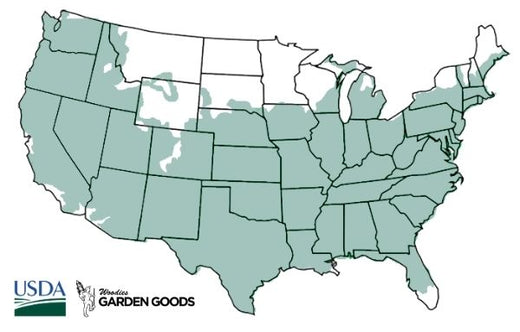
| Hardiness Zone: | 5-9 |
|---|---|
| Mature Height: | 7 to 10 feet in favorable conditions; smaller in colder regions |
| Mature Width: | Approximately 5 to 8 feet |
| Sunlight: | Full sun to partial shade |
| Soil: | Moist; well-drained; preferably slightly acidic |
| Water: | Moderate; regular watering during establishment |
| Bloom Time / Color: | Spring; typically May to June |
| Ornamental Features: | Red berries; glossy foliage; dense evergreen branching |
| Wildlife Value: | Berries for birds; evergreen protective cover |
| Resistance (deer/disease/drought/etc.): | Generally resistant to browsing; not deer-proof |
| Landscape Uses: | Evergreen hedges; privacy screens; foundation plantings; mixed borders |
How to Care for China Girl Holly
Before you buy a China Girl Holly, read the care instructions to keep it healthy and thriving.

How should I plant China Girl Holly?
Plant China Girl Holly in a location that receives full sun to partial shade, ideally with protection from strong winter winds. The shrub prefers moist, well-drained, slightly acidic soil and should not be planted where water collects after heavy rainfall. Dig a planting hole approximately twice as wide as the root ball but no deeper than its original soil depth. Carefully loosen any circling roots, position the uppermost roots at or slightly above the surrounding soil level, and backfill using the original soil. Water thoroughly after planting to settle the soil around the roots. When planting China Girl Holly as a hedge, allow approximately 5 to 8 feet between plants, depending on the desired appearance and anticipated pruning. For berry production, make sure China Boy Holly is planted nearby so spring-flowering insects can transfer pollen between the cultivars. Apply 2 to 3 inches of organic mulch over the root zone, keeping mulch several inches away from the main stems. Avoid planting too deeply, which can restrict oxygen movement around the roots and contribute to long-term plant decline.

How often should I water China Girl Holly after planting?
China Girl Holly requires consistent moisture during establishment, especially throughout its first growing season. Water thoroughly immediately after planting, then check the soil regularly to determine when additional irrigation is necessary. During warm weather, newly planted shrubs may need deep watering several times per week, depending on rainfall, soil texture, and drainage. The goal is to maintain evenly moist soil without allowing the roots to remain saturated. Deep watering encourages roots to grow into the surrounding soil and improves the shrub's long-term resilience. Once China Girl Holly develops an established root system, it generally requires less frequent watering, although irrigation remains beneficial during prolonged dry periods. Pay particular attention to soil moisture during late summer and autumn because winter drying can damage evergreen foliage. A thoroughly hydrated shrub is better prepared for periods when frozen soil limits water uptake. Organic mulch helps conserve moisture, but it should not be piled against the stems. Avoid overwatering poorly drained soils, as excess moisture can be as damaging as drought.

When should I fertilize China Girl Holly?
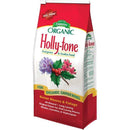
If fertilization is needed, early spring is the preferred time to feed China Girl Holly. A slow-release fertilizer formulated for hollies or other acid-loving evergreen shrubs can be appropriate when soil testing indicates a nutrient deficiency. Espoma Holly-tone is one option when its label directions and the planting site's soil conditions support its use. Apply fertilizer evenly over the root zone according to the manufacturer's instructions, avoiding direct contact with the stems. Water after application when recommended by the label. Avoid excessive fertilizer applications, particularly products containing high amounts of nitrogen. Overfertilization can encourage excessive vegetative growth at the expense of balanced plant development and may increase susceptibility to winter damage. Do not apply heavy doses of fertilizer late in the growing season. If the leaves become yellow or growth appears weak, test the soil before adding more nutrients. High soil pH, poor drainage, and root stress can produce symptoms that additional fertilizer will not correct.

When and how should I prune China Girl Holly?
China Girl Holly generally requires only light pruning to maintain its naturally dense, rounded shape. Late winter or early spring is a suitable time to remove dead, damaged, or crossing branches and perform minor corrective shaping. Use clean, sharp pruning tools and make selective cuts rather than repeatedly shearing the entire shrub. If the plant is being maintained as a formal hedge, modest trimming can help maintain its outline, but avoid removing excessive growth at one time. Heavy pruning can reduce berry production because holly flowers develop on new growth associated with existing branches, and removing potential flowering shoots reduces the number of fruits that can develop later in the season. For maximum winter color, minimize unnecessary pruning before flowering. If major size reduction is required, spread the work over multiple seasons to preserve the plant's health and ornamental appearance. Make sure nearby China Boy Holly is also allowed to flower, since female shrubs depend on compatible male pollen for reliable fruit development.