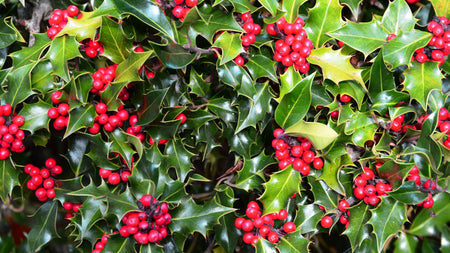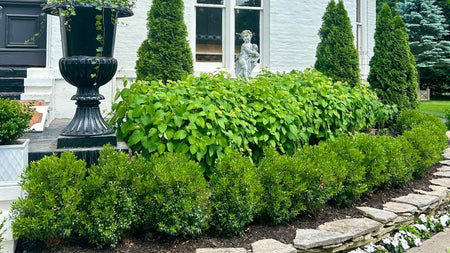


Images Depict Mature Plants
China Boy Holly
Ilex × 'Mesdob'
I've always believed that the best landscape plants earn their place by doing more than one job, and China Boy Holly is a perfect example of that philosophy. Most people think of hollies because of their beautiful red berries, but what they sometimes overlook is that many female hollies need a male plant nearby to produce those berries. That's where China Boy becomes so important. I particularly like pairing it with China Girl Holly because you get attractive evergreen foliage from both plants while giving the female shrubs the pollen they need for a good berry display. China Boy also has a substantial, naturally dense shape that makes it useful in foundation plantings and informal hedges. One thing I always recommend is giving these hollies enough room to develop rather than crowding them against a house or walkway. They look much better when their natural form has space to mature. I also pay particular attention to winter wind exposure and drainage, because even a cold-hardy evergreen can suffer when its roots stay too wet or its foliage dries out during winter. If you're planting China Girl Holly, I'd strongly recommend including China Boy in the landscape plan. It's a smart investment in both the appearance and long-term success of your planting.

15% Off Sitewide Sale!
Use Code 'SEASON15' At Checkout
📦 Free shipping on orders over $99.
Delay shipping by leaving us a message at Checkout.
Share:

China Boy Holly – A Cold-Hardy Evergreen with Essential Pollination Benefits
China Boy Holly Delivers Evergreen Beauty with a Purpose
China Boy® Holly is an outstanding choice for homeowners who want a handsome, cold-hardy evergreen shrub that offers more than attractive foliage. Known botanically as Ilex × 'Mesdob', this male hybrid holly combines glossy dark green leaves, dense branching, and dependable year-round structure with an especially valuable function in the landscape. China Boy provides pollen for nearby China Girl® Holly plants, helping those female shrubs develop the brilliant red berries that make hollies such desirable additions to residential gardens. Whether planted as part of a coordinated holly grouping or used as a stand-alone evergreen accent, this shrub brings traditional holly character to the landscape.
What makes China Boy particularly appealing is the balance between its ornamental qualities and practical usefulness. The shrub develops a naturally dense, broadly rounded growth habit, making it suitable for evergreen hedges, mixed borders, and foundation plantings where permanent structure is important. Its leathery foliage remains attractive through the seasons, providing welcome greenery when deciduous shrubs have lost their leaves. For gardeners looking for a cold-hardy holly that combines landscape beauty with reliable pollination support, China Boy deserves serious consideration.
The Perfect Male Pollinator for China Girl Holly
One of the most important reasons to plant China Boy Holly is its ability to pollinate female China Girl Holly shrubs. Hollies are generally dioecious, meaning individual plants produce either male or female flowers. China Boy produces the male flowers that provide pollen, while China Girl produces the female flowers capable of developing ornamental red berries. When the two are planted within pollinating distance and their spring flowering periods overlap, bees and other visiting insects can transfer pollen between them. This relationship is especially important for homeowners who want the colorful winter berry display traditionally associated with holly shrubs.
A single healthy, mature China Boy Holly can generally pollinate several nearby China Girl plants, making it a practical addition to larger foundation plantings or evergreen hedges. One male plant for approximately three to five female shrubs is a conservative planning guideline, although the exact number depends on plant placement, flowering, and pollinator activity. China Boy itself does not produce berries, which is an important distinction when choosing between the two cultivars. Instead, it provides the pollen that helps nearby female plants develop fruit. Planting China Boy and China Girl together creates an attractive combination of evergreen foliage and seasonal berry color.
Glossy Dark Green Foliage Creates Four-Season Interest
The foliage of China Boy Holly is one of its greatest ornamental assets. Its lustrous, deep green leaves have the familiar spiny margins and substantial texture that make traditional hollies instantly recognizable. Individual leaves are leathery and slightly cupped, creating an attractive surface that catches light and adds visual depth to the plant. Unlike deciduous shrubs, China Boy retains its foliage year-round, providing consistent evergreen color from spring through winter. The rich green leaves also create an appealing contrast against pale siding, natural stone, brick, and lighter-colored ornamental plants.
This dependable evergreen character makes China Boy especially useful in landscapes where visual structure is needed throughout the colder months. During spring and summer, the foliage serves as an attractive backdrop for flowering perennials and colorful shrubs. In autumn, it provides a dark green contrast to changing leaf colors. Winter is when its value becomes particularly noticeable, as its dense branching and persistent foliage maintain a finished appearance in garden beds that might otherwise look bare. Plant it near female China Girl hollies, and the contrasting green leaves and red berries create an especially appealing seasonal composition.
Create Attractive Evergreen Hedges and Foundation Plantings
China Boy Holly is an excellent candidate for homeowners who want a dense evergreen hedge or substantial foundation shrub without relying entirely on arborvitae, junipers, or other conifers. Its naturally rounded, branching form provides a full appearance, while the spiny foliage creates a useful visual boundary along property lines, garden borders, and outdoor living spaces. The shrub can be incorporated into an informal evergreen screen or selectively pruned to maintain a more structured hedge. Because it remains evergreen, it provides some screening even in winter, when many other shrubs become transparent after losing their leaves.
For foundation plantings, China Boy works particularly well where there is enough room to accommodate a substantial shrub. It can help visually anchor the corners of a home, soften long stretches of masonry, or create a layered planting beneath taller ornamental trees. Allow sufficient space for its mature spread, as this is not a naturally narrow or miniature holly. In mixed borders, combine it with flowering shrubs, ornamental grasses, and shade-tolerant perennials suited to the same growing conditions. Its deep green foliage provides a stable backdrop, allowing nearby plants with colorful flowers or contrasting textures to stand out.
Cold-Hardy Holly for Northern and Mid-Atlantic Gardens
China Boy Holly was developed as part of a group of hybrid hollies valued for combining ornamental foliage with improved cold tolerance. This makes it an attractive choice for homeowners in regions where traditional English hollies may struggle with harsh winters. China Boy is generally recommended for USDA Hardiness Zones 5 through 8, offering a useful option for Mid-Atlantic landscapes and many colder northern gardens. Its dense evergreen foliage provides year-round interest without requiring the mild winter conditions preferred by some other broadleaf evergreen shrubs.
Although China Boy offers impressive cold hardiness, proper placement remains important. Evergreen hollies continue losing moisture through their leaves during winter, particularly when exposed to strong winds and bright sunlight while the ground is frozen. Choose a well-drained planting location with protection from severe winter winds, especially near the colder end of its growing range. Maintaining adequate soil moisture before the ground freezes can help reduce winter browning. With thoughtful placement and consistent establishment care, China Boy provides a dependable evergreen presence that performs well in a variety of residential landscape designs.
Easy-Care Evergreen Growth for Long-Term Landscape Structure
China Boy Holly grows best in full sun to partial shade, with well-drained soil that retains moderate moisture without becoming waterlogged. Slightly acidic soil is especially beneficial, helping the plant obtain the nutrients needed for healthy, dark green foliage. Although it adapts to several garden settings, consistently saturated soil and poorly drained locations can compromise root health. Newly planted shrubs benefit from regular deep watering during their first growing seasons, followed by less frequent irrigation once they develop established root systems. A layer of organic mulch helps retain moisture, moderate soil temperatures, and reduce competition from weeds.
Maintenance is relatively straightforward, making China Boy a practical choice for homeowners who appreciate attractive landscaping without excessive upkeep. Light pruning in late winter or early spring can maintain the desired shape, remove damaged branches, and encourage a tidy appearance. Avoid excessive shearing, particularly immediately before flowering, as removing developing flower buds can reduce the pollen available to nearby China Girl hollies. The plant's naturally dense growth habit generally requires only occasional shaping when given adequate space. With appropriate soil, moisture, and sunlight, it can become a lasting structural element in the landscape.
Pair China Boy and China Girl Hollies for a Complete Evergreen Display
One of the most attractive ways to use China Boy Holly is to combine it with China Girl Holly in a coordinated evergreen planting. The two cultivars complement each other in both appearance and function. China Boy contributes rich evergreen foliage and spring pollen, while China Girl provides similarly attractive foliage and the potential for bright red berries that develop after successful pollination. Together, they create a traditional holly landscape with seasonal interest extending well beyond the growing season. This pairing is particularly appealing near home entrances, along foundation beds, and in mixed evergreen borders.
When designing a planting, position China Boy where it contributes to the overall composition rather than treating it as an afterthought. A single male shrub can be incorporated among several female China Girl hollies, creating a balanced planting with consistent foliage texture and form. Keep the male and female plants relatively close together and avoid severe spring pruning that removes the flowers needed for pollination. While China Boy will never develop red berries of its own, it plays an essential role in helping compatible female plants produce them. For homeowners who want a successful holly planting with dependable evergreen beauty and colorful winter interest, this is a combination worth planning from the beginning.
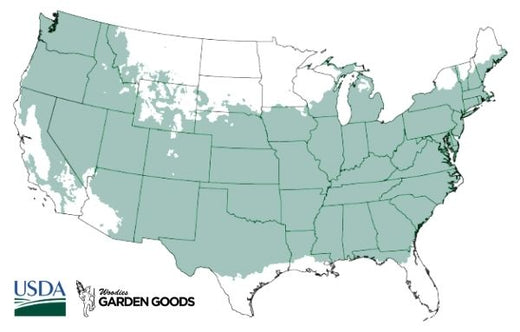
| Hardiness Zone: | 5-8 |
|---|---|
| Mature Height: | Approximately 5 to 10 feet; varies by growing conditions |
| Mature Width: | Approximately 5 to 8 feet; allow room for a broad, dense form |
| Sunlight: | Full sun to partial shade |
| Soil: | Moist; well-drained; preferably slightly acidic |
| Water: | Moderate; consistent moisture during establishment |
| Bloom Time / Color: | Spring; small whitish flowers |
| Ornamental Features: | Glossy spiny foliage; evergreen structure; dense branching |
| Pollination Role: | Male pollinator for China Girl Holly, Nellie Stevens Holly and other female Meserve hollies |
| Wildlife Value: | Spring flowers provide pollen; dense foliage offers cover |
| Resistance (deer/disease/drought/etc.): | Generally resistant to browsing; not deer-proof |
| Landscape Uses: | Hedges; foundation plantings; evergreen screens; borders; pollinator companion |
How to Care for China Boy Holly
Before you buy a China Boy Holly, make sure to read the care instructions to keep it healthy and thriving.

How should I plant China Boy Holly?
Plant China Boy Holly in a location receiving full sun to partial shade, preferably where the shrub will be protected from severe winter winds. Choose soil with good drainage and moderate moisture retention. Slightly acidic conditions are preferred, and heavy clay soils should be evaluated carefully to ensure water does not remain around the roots. Dig a planting hole approximately twice as wide as the root ball but no deeper than the root ball itself. Position the shrub so the uppermost roots are at or slightly above the surrounding soil level, then backfill with the original soil and water thoroughly. Allow room for China Boy to develop its naturally dense, broadly rounded shape. For informal groupings, plan for approximately 5 to 8 feet between plants, adjusting for the intended hedge density and future pruning. If planting China Boy to pollinate China Girl hollies, position the male shrub within the same general planting area so insects can readily move between the plants. Apply 2 to 3 inches of organic mulch over the root zone, keeping it several inches away from the main stems. Avoid burying the root crown or creating a mound of mulch directly against the plant.

How often should I water China Boy Holly after planting?
Water China Boy Holly thoroughly immediately after planting, allowing moisture to penetrate the full root ball and surrounding soil. During establishment, check soil moisture several inches below the surface and irrigate whenever the root zone begins to dry. Newly installed shrubs may require watering several times per week during hot or windy weather, while cool temperatures and rainfall reduce that frequency. The objective is to maintain evenly moist, well-drained soil, avoiding both prolonged dryness and waterlogged conditions. Container-grown plants should receive particular attention because their original root balls may dry faster than the surrounding soil. Once established, China Boy Holly generally requires less frequent irrigation, although supplemental water is beneficial during extended periods without rain. A thorough soaking is usually more effective than frequent shallow watering because it encourages deeper root development. Continue monitoring moisture during autumn, particularly before the soil freezes, because broadleaf evergreens remain vulnerable to winter drying. Avoid allowing the shrub to enter winter severely drought-stressed. Organic mulch can help moderate soil temperatures and conserve moisture throughout the year.

When should I fertilize China Boy Holly?
China Boy Holly generally benefits from modest fertility rather than aggressive feeding. If a soil test indicates that supplemental nutrients are needed, apply a slow-release fertilizer formulated for hollies or acid-loving evergreen shrubs in early spring, following the manufacturer's application instructions. A fertilizer such as Espoma Holly-tone may be appropriate where soil conditions and nutrient needs justify its use. Apply the product over the root zone as directed, keeping concentrated fertilizer away from the main stems. Water after application when required by the product label. Avoid excessive nitrogen fertilization, which can encourage soft growth that may be more vulnerable to winter injury. Do not fertilize heavily in late summer or autumn, when stimulating tender new shoots can reduce winter readiness. Yellowing foliage may indicate high soil pH, drainage problems, or nutrient deficiencies rather than a simple shortage of fertilizer. A soil test is the best starting point for diagnosing persistent yellowing or poor growth. Maintaining good drainage and appropriate soil acidity is often more important than applying additional fertilizer.

When and how should I prune China Boy Holly?
The best time for routine pruning is late winter or early spring, before vigorous new growth begins. Begin by removing dead, damaged, crossing, or poorly positioned branches using clean, sharp pruning tools. China Boy Holly naturally develops a dense, attractive form, so extensive pruning is generally unnecessary when the shrub has enough room to mature. Light selective pruning can encourage healthy branching and maintain an appealing rounded outline. For formal hedges, trim judiciously and avoid repeatedly cutting deeply into old, leafless wood. Because China Boy is a male pollinator for China Girl Holly, flowering should be considered when scheduling pruning. Heavy pruning before or during spring bloom can remove male flower buds and reduce pollen availability. If pollination is the primary reason for growing the shrub, retain as much flowering growth as practical during the spring. When substantial shaping is necessary, divide the work over multiple seasons rather than removing a large portion of the canopy at once. Preserving healthy flowering branches helps maintain the shrub's pollination value while keeping its evergreen appearance attractive.