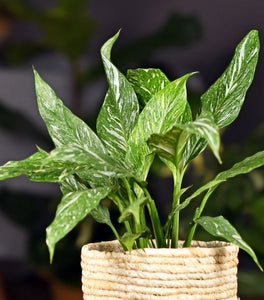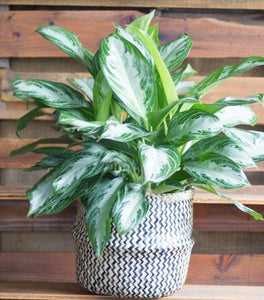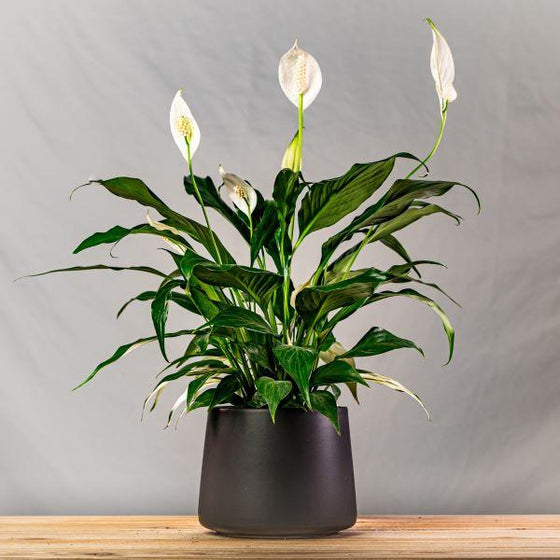
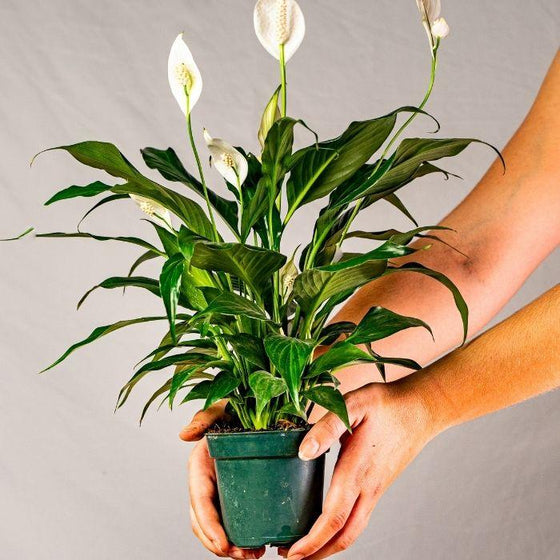


Images Depicted Range in Maturity & Container Size
Pots & Decorations Not Included Unless Otherwise Stated
Peace Lily (Spathiphyllum)
Spathiphyllum wallisii
Peace Lily is my favorite “one plant fix” for making a room feel calmer and more put-together—glossy foliage, elegant white blooms, and a care routine that’s simple enough to stick with. Give it bright, indirect light and water when the top inch dries, and it rewards you with weeks of bloom and a full, polished habit that looks great in any décor style.

Save Up to 25% On Your Order! Limited Time Only!
Discount Applied Automatically At Checkout
📦 Free shipping on orders over $99.
Share:Recommended Add-Ons


Buy Peace Lily for Elegant White Blooms and Easy Indoor Greenery
Classic Beauty That Fits Every Interior
The Peace Lily is one of the most iconic indoor plants of all time, known for its glossy, deep-green leaves and graceful white blooms that appear multiple times a year. The blooms rise above the foliage like white flags of tranquility, giving the plant its peaceful name.
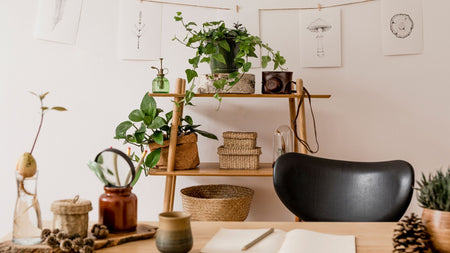
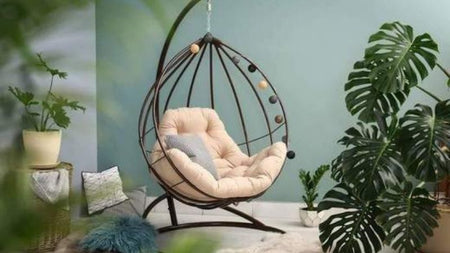
Its soft, sculptural form adds calm energy to bedrooms, living spaces, offices, and entryways. Peace lilies work well in every interior style — modern, traditional, minimalist, and tropical — making them one of the most universally decorative houseplants available.
A Natural Air Purifier for Healthier Indoor Spaces
Peace Lily isn’t just beautiful — it’s also one of NASA’s top-rated air-purifying plants, helping filter common indoor pollutants from the air. It gently increases humidity, making indoor spaces feel fresher and more comfortable, especially during dry winter months or in rooms with constant HVAC airflow.
This makes Peace Lily ideal for bedrooms, workplace desks, home offices, bathrooms, hallways, and cozy corners where you want the air to feel lighter and cleaner.
Thrives in Low and Moderate Light
Unlike many flowering plants that require bright light or direct sun, Peace Lily grows perfectly in shaded or indirect light settings. It maintains full foliage even in dimmer areas where other houseplants fade.
While it can thrive in low light, placing it in bright, indirect light encourages more frequent blooms and deeper, richer leaf color — giving you the best of both performance and beauty.
Low-Maintenance and Beginner-Friendly
Peace Lily is famous for being easy to read — its leaves gently droop when it needs water and perk up again soon after watering. This makes it a comforting, forgiving choice for new plant owners learning watering rhythm.
Once established, it becomes a steady, resilient, glowing presence in your home — lush, full, and continually renewing itself.

| Hardiness Zone: | 10-12 Outdoors |
|---|---|
| Mature Height: | 1 to 4 Feet |
| Mature Width: | 1 to 3 feet |
| Sunlight: | Bright, indirect; tolerates low light (fewer blooms) |
| Flower Color: | White blooms that age to pale green |
| Soil Condition: | Well-draining indoor potting mix |
| Water Requirements: | Water when top inch dries; drain excess |
| Pet Safety | Toxic to cats/dogs if chewed (calcium oxalates) |
| Best Uses | Low-light rooms, desks, floor plant statements, gifting |
How to Care for Peace Lily (Spathiphyllum)
Once you buy a Peace Lily plant, make sure to read about the recommended care instructions to keep this plant healthy and thriving.
-v1768498424679.png?92x91)
How should I plant Peace Lily?
Choose a pot with drainage holes and a quality, well-draining indoor potting mix. Slide the plant out, loosen circling roots gently, and set it so the crown sits at the same height it was previously growing—then firm soil lightly and water until it drains through. Keep it “snug, not swimming.” A pot that’s too large stays wet longer and can invite root problems, so sizing matters. Place the plant in bright, indirect light and give it a week or two to settle before expecting new growth.

How often should I water Peace Lily after planting?
Use a simple trigger: water when the top inch of soil feels dry, then water thoroughly and empty the saucer. This keeps moisture consistent without suffocating roots. Long-term, you’ll water more often in brighter light, warmer rooms, and smaller pots—and less often in low light and cooler seasons. If leaves droop dramatically, it’s often a sign you waited too long; if soil stays soggy for days, it’s often too frequent watering or poor drainage.

When should I fertilize Peace Lily?
Feed lightly during active growth (spring through early fall) using a balanced houseplant fertilizer at a reduced strength and only on already-moist soil. Too much fertilizer can contribute to leaf tip browning from salt buildup. If blooms have slowed, gentle feeding plus brighter indirect light is often the fastest path back to flowers. In winter, back off—many indoor plants rest when light levels drop.

When and how should I prune Peace Lily?
Remove spent blooms by cutting the flower stalk down at the base once it starts fading or turning green—this keeps the plant tidy and helps redirect energy. Use clean snips to avoid introducing problems. For leaves, remove only yellowed or damaged ones at the base, and avoid taking more than about a third of the plant at once. Routine cleanup + stable conditions (light, watering, humidity) is what keeps Peace Lily looking showroom-ready.