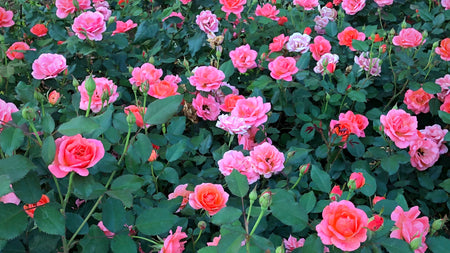
Images Depict Mature Plants
Lady of Shalott Rose
Rosa 'AUSnyson
Lady of Shalott is one of those roses I recommend when someone says, “I want a rose that blooms like crazy and doesn’t make me feel like I’m taking on a second job.” The color is pure magic—warm apricot and peach that glows in the garden—and the tea-like fragrance makes it feel welcoming near patios and paths. Give it sun, a deep watering routine while it settles in, and a little feeding after bloom flushes, and it will keep bringing the show back all season long.

15% OFF SITEWIDE SALE
Use Code 'PRIMETIME15' At Checkout
📦 Free shipping on orders over $99.
Delay shipping by leaving us a message at Checkout.
Share:



Lady of Shalott Rose for Glowing Apricot Blooms and Easy Repeat Color
Apricot-Peach Blooms That Glow From Across the Garden
Lady of Shalott Rose brings a color that makes a border feel sunlit—even on an overcast day. Buds open in rich orange-red tones, then soften into chalice-shaped blooms that read apricot, peach, and salmon all at once. The petals often show a warm golden underside, which gives the flowers extra depth and a “lit from within” look when they catch the afternoon sun. The form is classic English rose—full and beautifully cupped—without feeling stiff or formal, so it looks equally at home in a cottage border or a clean, modern foundation planting.
The show isn’t just a one-time event. Lady of Shalott is known for blooming in flushes, returning again and again through the season when it’s planted in sun and cared for consistently. Deadhead spent blooms to keep energy moving into new flowers, or leave a few late-season blooms to mature if you enjoy the look of hips. If you want a rose that reads “high-end garden” with minimal complexity, this is a strong pick: vibrant color, reliable repeat flowering, and flowers that look gorgeous on the plant and in a vase.
Warm Tea Fragrance That Feels Cozy and Classic
If you like roses for fragrance as much as looks, Lady of Shalott delivers a welcoming scent that’s noticeable without being overpowering. The fragrance is often described as warm tea with subtle spice—an inviting, cozy perfume that feels right near patios, seating areas, and entry paths. Place it where you’ll brush past it in the morning or evening, and it becomes part of the everyday experience of your garden, not just a “look at me” shrub at the back of the yard.
Because the scent pairs so well with the color palette, it’s a natural choice for a cutting garden. A few stems on the kitchen table can make a whole room feel softer and more lived-in. For the best fragrance and flower quality, give it full sun and avoid overhead watering late in the day so blooms open cleanly and foliage dries faster. A simple routine—deep watering, mulch, and steady feeding—helps the shrub keep pushing fresh growth and new bloom cycles, giving you more chances to enjoy that warm, tea-like perfume throughout the season.
A Bushy, Arching Shrub That Looks Full Without Fuss
Lady of Shalott quickly forms a handsome, bushy plant with gently arching stems that look natural and “garden-y,” not rigid. The foliage is a pleasing mid-green, and new growth can carry a slightly bronzed tone, adding interest even between bloom flushes. In the landscape, it reads as a substantial flowering shrub—one that fills space, softens edges, and provides a steady rhythm of color rather than a short-lived burst.
It’s also a rose that tends to reward simple, practical care. Give it good airflow, keep the root zone evenly moist while it establishes, and feed to support repeat flowering. Like all roses, it performs best when it’s not crowded: space it so air can move through the canopy and sunlight can reach the interior stems. That small planning step helps leaves stay cleaner, reduces stress in humid weather, and keeps the plant looking fuller from top to bottom. If you want a rose that’s friendly for newer rose growers—but still impressive for experienced gardeners—this one checks a lot of boxes.
Landscape Uses That Feel Instantly Established
Lady of Shalott is an easy “anchor rose” for beds and borders: one plant can visually tie together perennials, grasses, and shrubs with a consistent thread of warm color. Use it along a walkway to create a welcoming approach, tuck it into a mixed border for season-long flowering, or make it the focal point of a small planting bed for dependable impact. It’s also a beautiful companion to blue and purple tones—lavender, catmint, salvia, and ornamental grasses make the apricot blooms look even richer.
It can also be grown in a large container when you want rose color on a patio or near a front door. The key is sizing up the pot, watering more consistently than in-ground shrubs, and feeding to support repeat blooms. On slopes, it works best as a supported feature plant rather than true erosion control—pair it with deep-rooted companions if soil stabilization is the goal. Whether you plant one as a statement or repeat a few down a border, the overall effect is the same: a garden that feels mature, romantic, and intentionally designed.

| Hardiness Zone: | 4-11 |
|---|---|
| Mature Height: | 4 to 5 feet |
| Mature width: | 3 to 4 feet |
| Sunlight: | Full sun (6+ hours) |
| Bloom Time / Color: | Flushes late spring through fall; apricot-peach to salmon |
| Fragrance: | Medium-strong tea scent, with undertones of clove and spiced apple |
| Soil Condition: | Fertile, evenly moist, well draining |
| Water: | Moderate; deep watering during establishment |
| Wildlife Value: | Pollinators; hips possible if blooms are left |
| Resistance: | Strong disease resistance; deer may browse; moderate drought tolerance once established |
| Landscape Uses: | Borders, cutting gardens, foundation beds, containers, mixed shrub plantings |
How to Care for Lady of Shalott Rose
Be sure to read our planting instructions to ensure a healthy and happy Lady of Shalott Rose for years to come!

How should I plant Lady of Shalott Rose?
Choose a full-sun site with good airflow, then dig a wide hole and loosen the surrounding soil so roots can expand easily. Plant at the same depth it was growing in the pot, backfill with native soil (add compost only if your soil is very poor), and water deeply to settle everything in. Finish with 2–3 inches of mulch to stabilize moisture, keeping mulch a few inches away from the base of the canes. Give the plant room from day one—avoid tight corners where air doesn’t move. If you’re planting near a walkway or patio, aim for a spot where you can comfortably reach in to deadhead and prune. A little planning up front makes long-term care simpler and helps the shrub stay fuller and cleaner through the season.

How often should I water Lady of Shalott Rose after planting?
Water deeply right after planting, then keep the soil evenly moist (not soggy) for the first 6–8 weeks. In warm weather, that usually means a thorough soak 2–3 times per week, adjusting for rainfall and soil type—sandy soils dry faster, heavier soils hold moisture longer. After the rose is established, shift to deep weekly watering, increasing during hot, dry spells. Always water at the base to keep foliage drier, and aim for slow, deep soakings that encourage roots to grow downward rather than staying near the surface.

When should I fertilize Lady of Shalott Rose?
Begin feeding in spring when you see active new growth, using a balanced rose fertilizer at label rates. Feed again after the first big flush of blooms to support repeat flowering, and continue through the growing season based on your product type (slow-release vs liquid). Avoid heavy nitrogen-only feeding, which can push lots of leafy growth at the expense of flowers. In colder zones, stop fertilizing about 6–8 weeks before your first expected frost so the plant can harden off for winter instead of producing tender new growth.

When and how should I prune Lady of Shalott Rose?
Do major pruning in late winter or very early spring, removing dead, damaged, or weak wood and opening the center for airflow. Then shape the shrub by shortening stems to encourage bushier growth and more flowering shoots. During the season, deadhead spent blooms to promote repeat flowering and lightly trim to keep the plant tidy. If the shrub gets crowded, thin a few interior stems to improve airflow—this helps foliage dry faster after rain and supports cleaner-looking leaves through humid stretches.