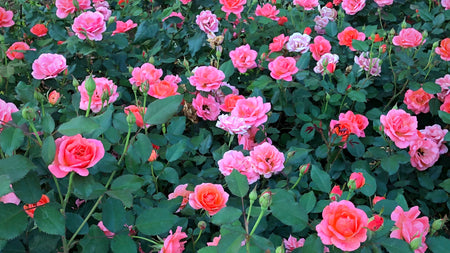
Images Depict Mature Plants
Julia Child Rose Bush
Rosa 'WEKvossutuno'
If you’ve ever wanted a rose that feels cheerful, classic, and genuinely easy to love, Julia Child is it—those buttery yellow blooms show up in clusters, the fragrance is bold and memorable, and the plant stays nicely compact so it fits real-life gardens. Give it full sun, don’t crowd it, keep watering at the base, and deadhead the spent clusters, and it will keep rewarding you with fresh color all season.

15% OFF SITEWIDE SALE
Use Code 'PRIMETIME15' At Checkout
📦 Free shipping on orders over $99.
Delay shipping by leaving us a message at Checkout.
Share:


Julia Child Rose for Butter-Yellow Blooms, Strong Fragrance, and Easy Repeat Color
Butter-Yellow Blooms That Light Up Beds And Borders
Julia Child Rose is the kind of yellow that looks instantly welcoming—soft, buttery, and warm, not harsh or neon. The blooms open in generous clusters, so you get a full “in bloom” look instead of a few scattered flowers. In a mixed border, that color acts like sunshine on demand, brightening darker evergreens, deep green hedges, and purple or blue perennials with effortless contrast.
Because it’s a floribunda, the plant is built to keep the show going. You’ll see waves of flowers rather than a single short season, which makes it ideal for front-yard color, foundation beds, and anywhere you want consistent curb appeal. It also plays beautifully in classic cottage plantings—pair it with lavender, salvia, catmint, and ornamental grasses for a cheerful palette that stays lively all season.
A Signature Licorice-Sweet Rose Fragrance You’ll Actually Notice
If you want a rose that smells like a rose should, Julia Child delivers. The fragrance is noticeably strong—often described as sweet with a distinctive licorice note—so you don’t have to lean in and “search” for it. Place it near a walkway, patio, or entry, and you’ll catch that scent naturally as you move through the garden, which is exactly how a fragrant rose should be enjoyed.
This fragrance also makes it a wonderful cutting rose for casual bouquets. A few stems in a vase bring that classic rose aroma indoors, and the buttery yellow color looks clean and happy in almost any arrangement. If you’re building a garden that’s meant to be experienced—not just looked at—Julia Child is an easy win for scent, color, and repeat performance.
Compact, Full Growth That Fits Small Gardens And Big Ideas
Julia Child Rose is a compact, well-branched shrub that’s easy to tuck into tight spaces without losing impact. It typically matures around 2.5–4 feet tall and about 2.5–3 feet wide, creating a rounded mound that looks polished even when you aren’t constantly fussing with it. That size makes it perfect for the front of sunny borders, lining a walkway, or massing in groups for a “sea of yellow” effect.
Because it stays reasonably contained, it also works beautifully in smaller gardens where every plant needs to earn its footprint. You can use it as a repeating rhythm plant—plant three, five, or seven in a row for a designer look—or let one stand alone as a bright focal point. Either way, you get a rose that reads tidy, intentional, and consistently colorful across the growing season.
Reliable Performance With Simple Sun, Water, And Airflow Basics
Julia Child is widely loved because it tends to be easier than many classic roses—especially when you follow the fundamentals. Give it full sun for best flowering, plant it in well-drained soil, and space it so air can move through the foliage. Water at the base rather than overhead, and you’ll support cleaner leaves and reduce stress during humid or rainy stretches.
Feed in early spring as growth starts, then again after the first major flush of blooms to keep the plant energized for repeat flowering. Deadhead spent clusters to encourage faster rebloom, and do a simple yearly prune to maintain shape and stimulate fresh, bloom-producing growth. With that straightforward routine, Julia Child becomes the kind of rose that feels rewarding and dependable—great for beginners, and still impressive for seasoned rose lovers.

| Hardiness Zone: | 5-10 |
|---|---|
| Mature Height: | 3 to 4 feet |
| Mature width: | 2.5 to 3 feet |
| Sunlight: | Full sun (best blooms) |
| Bloom Time / Color: | Late spring to frost; butter-yellow blooms |
| Fragrance: | Strong, sweet licorice spice scent |
| Soil Condition: | Fertile, well-drained soil; slightly acidic to neutral preferred |
| Water: | Medium; deep watering, allow slight dry-down between waterings |
| Resistance: | Not reliably deer resistant; good airflow supports cleaner foliage; moderate drought tolerance once established |
| Wildlife Value: | Attracts bees and beneficial pollinators when blooming |
| Landscape Uses: | Borders, mass plantings, foundation beds, fragrance gardens, walkway edging, cottage gardens, cutting gardens |
How to Care for Julia Child Rose
Be sure to read our planting instructions to ensure a healthy and happy Julia Child Rose plant for years to come!

How should I plant a Julia Child Rose?
Plant Julia Child Rose in full sun with well-drained soil and room for airflow. Dig a hole about twice as wide as the root ball and set the plant so the top of the root ball sits level with the surrounding soil. Backfill with native soil, water deeply to settle, and shape a shallow watering ring to direct water into the root zone. Finish with 2–3 inches of mulch to conserve moisture and reduce weeds, keeping mulch a few inches away from the canes and crown. If your soil stays wet, plant slightly high or improve drainage before planting. A sunny, well-drained start sets the foundation for stronger growth and better bloom cycles.

How often should I water Julia Child Rose after planting?
Water deeply right after planting, then continue with a deep soak about once per week during the first growing season. In hot weather, sandy soil, or windy sites, increase to twice per week. Deep watering encourages deeper roots, which supports better bloom performance and heat tolerance. After establishment, water during extended dry spells and during heavy bloom cycles. Always water at the base rather than overhead so foliage stays drier. The goal is steady root-zone moisture without keeping the soil constantly wet.

When should I fertilize Julia Child Rose?
Fertilize in early spring as new growth begins using a rose fertilizer or balanced slow-release fertilizer. This supports strong branching and sets the stage for heavy flowering. Water after feeding so nutrients move into the soil and don’t sit on dry roots. Feed again after the first major bloom flush to encourage repeat flowering through summer. Avoid heavy late-season fertilizing, which can push tender new growth when the plant should be slowing down. Consistent, moderate feeding keeps the plant blooming without encouraging weak, leafy growth.

When and how should I prune Julia Child Rose?
Prune in late winter or early spring before active growth begins. Remove dead or damaged wood first, then thin weak or crossing stems to open the center for airflow. Trim remaining stems to shape the plant into a balanced, rounded form that encourages fresh, bloom-producing growth. During the season, deadhead spent flower clusters to promote quicker rebloom. Avoid harsh pruning during extreme heat. A thoughtful annual prune plus regular deadheading is the simplest way to keep Julia Child compact, tidy, and loaded with flowers.