

The Chelsea Chop: Pruning Tips For Better Perennials
Published On: May 1, 2026
Updated On: Jul 28, 2026
Share:
If you've ever watched your favorite perennials hit their peak in early summer… and then promptly flop, splay, or race past the tidy edges of your garden bed, you're not alone. The good news is you don't need stakes, cages, or constant pinching to keep many plants compact and blooming longer. You just need one well-timed haircut.
It's called the Chelsea Chop, and it's one of the easiest "high-impact, low-effort" pruning techniques you can use in the landscape — especially in borders, cottage gardens, pollinator beds, and mixed perennial plantings where you want plants to stay upright and keep flowering.
What Is the Chelsea Chop?
The Chelsea Chop is a mid-to-late spring pruning technique where you cut back certain perennials by about one-third to one-half. Despite the dramatic name, it's not complicated, and it's not harsh when done at the right time.
The term comes from the timing: it's traditionally done around the Chelsea Flower Show (late May in the UK). In much of the U.S., the exact date varies a bit by region and spring weather, but the concept stays the same — do it when plants are actively growing and before they set buds.
The Purpose: Why Gardeners Use the Chelsea Chop
Think of the Chelsea Chop as a way to "coach" a plant's growth habit instead of fighting it later. Here's what it helps you accomplish:
- Shorter, sturdier plants. Cutting back encourages branching, which often produces a stockier plant that's less likely to flop.
- More blooms (often smaller, but more numerous). More branches typically mean more flowering stems.
- Later bloom time. Because you're delaying the plant's progress, bloom can shift back by 1–3+ weeks, depending on the plant.
- Longer flowering season. Many perennials bloom over a longer window when they have multiple staggered stems.
- Better proportions in the border. It helps keep plants from crowding neighbors or blocking shorter layers in the planting design.
In short, the Chelsea Chop improves structure, timing, and performance — three things every landscape planting benefits from.
Timing: When to Do the Chelsea Chop
The Chelsea Chop is usually done in late spring, but the best real-world cue is growth stage, not the calendar.
🟢 The Sweet Spot
- Plants are 6–18 inches tall (varies by species)
- Stems are vigorous and leafy
- Flower buds are not yet forming (or are very early)
🟡 Too Early
Cutting tiny, emerging growth can slow plants unnecessarily and reduce vigor.
🔴 Too Late
Once buds are well formed, you may remove most of the flowering potential or delay bloom too long (and sometimes reduce it).
⚠️ Regional Rule of Thumb (U.S.)
- Warm zones / early springs: late April to early May
- Mid-Atlantic / Midwest: mid-May to early June
- Cooler zones: late May into mid-June
If you're unsure, aim for late spring and do a lighter cut (closer to one-third). For region-specific guidance, the University of Maryland Extension has solid resources on perennial pruning timing.
How to Do It (Two Great Options)
Option 1: The Full Chelsea Chop (Uniform Cut)
Cut the whole plant back by ⅓–½, right above a set of leaves.
Best for: Plants that reliably rebound and where you want an overall shorter, bushier habit.
Option 2: The Staggered Chelsea Chop (the Designer's Favorite)
Cut back only part of the plant. For example:
- Chop the front half and leave the back untouched, or
- Chop every other stem, or
- Chop plants in a drift in three groups, a week apart
Outcome: You get two (or more) bloom waves — early stems bloom first, chopped stems bloom later, extending the show and creating a more natural "succession" look.
Best for: Borders where you want a longer season of color without having to swap plants.
Expected Outcome: What You'll See After the Chop
Within 1–2 weeks, most suitable perennials respond by pushing new growth from side buds, creating more branching. Typically, you can expect:
- Height reduction: 20–40% shorter than uncut plants
- Bloom delay: about 1–3 weeks later (sometimes longer)
- More flowering stems: often noticeably increased
- Improved upright form: fewer flops, less staking
- A longer "peak" window, especially with staggered cuts
One important nuance: blooms may be slightly smaller on some plants (because energy is spread among more stems). In exchange, you usually gain more flowers overall and better structure — a trade most landscape gardeners happily take.
Great Candidates for the Chelsea Chop
The technique works best on summer- and fall-blooming perennials, especially those that can get tall or floppy. Here are my favorite plants to try the Chelsea Chop on — each one rewards the cut with sturdier stems, more blooms, and a longer show.
Sedum 'Autumn Joy'
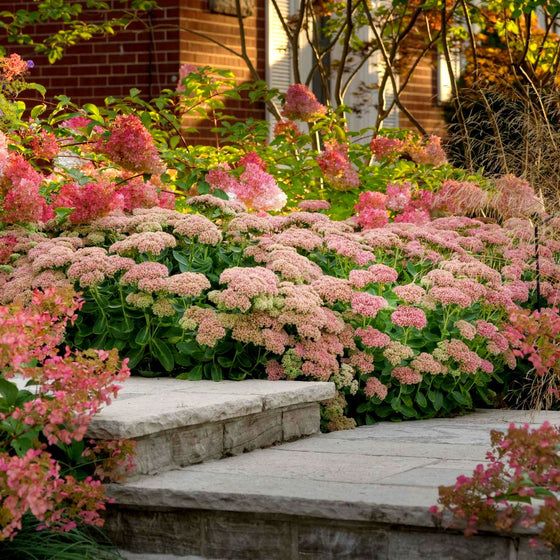
Sedum 'Autumn Joy' is the textbook Chelsea Chop plant. Without a chop, those tall succulent stems often splay open right when the flower heads get heavy in late summer — you end up with a hollow center and blooms flopping into the neighbors. A late-spring trim by one-third gives you a tighter, denser mound and more flower heads, all standing upright. It's one of the most satisfying "before and after" moves in the perennial garden.
Asters

Tall fall-blooming asters are another classic Chelsea Chop candidate. Left alone, they tend to stretch tall and lean by the time their late-season blooms arrive. A chop in late spring (or even a second light pinch in early summer for the most enthusiastic growers) keeps the clump bushy, multiplies the bud count, and lets the plant carry its own weight when other perennials are starting to fade.
Garden Phlox (Phlox paniculata)
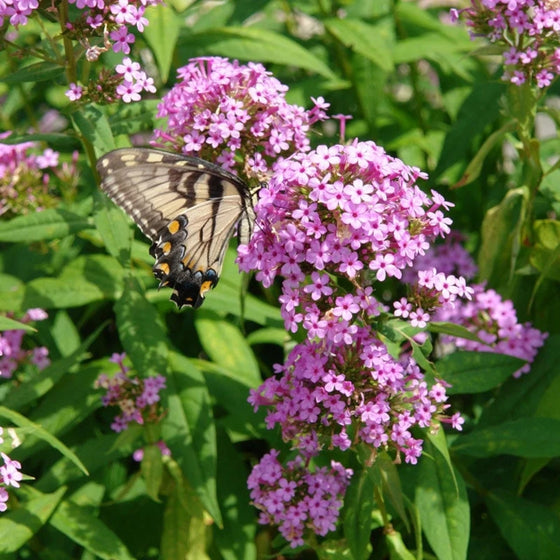
Tall garden phlox like Jeana respond beautifully to a staggered chop. Cut about half the stems back in late spring and leave the rest alone — the uncut stems bloom first, the chopped ones follow a couple of weeks later, and you get a substantially longer flowering window from the same plant. Bonus: the extra airflow from a thinned-out clump helps keep mildew pressure down in humid summers.
Coneflowers (Echinacea)

Use a lighter touch with coneflowers — cut back by about one-third rather than half. Tall varieties like Magnus benefit the most, since chopping encourages branching and gives you a fuller display of those iconic pink daisy-like blooms instead of a few tall solo stems. Compact cultivars usually don't need the chop at all, but for the classic 3- to 4-foot types, it's a clean way to keep them upright through summer storms.
Bee Balm (Monarda)
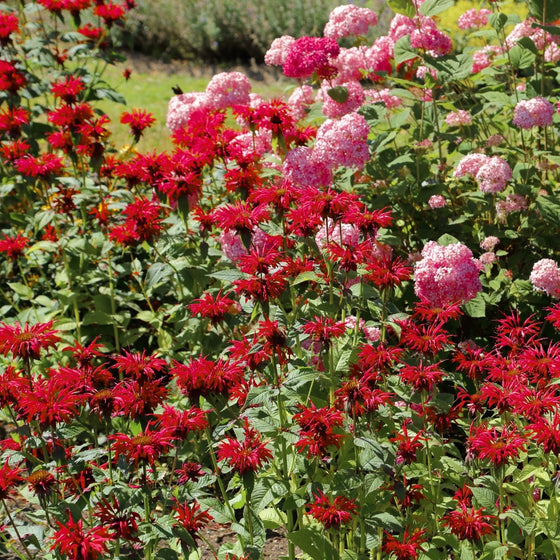
Bee balm gets two benefits from a Chelsea Chop. First, the obvious one: shorter, sturdier plants with more flowering stems. Second — and this matters with monarda — thinning the clump by chopping a portion of the stems improves airflow, which helps fight off the powdery mildew this plant is famous for. Mildew-resistant varieties like Jacob Cline are still worth chopping for the bloom boost alone.
Russian Sage (Perovskia / Salvia yangii)
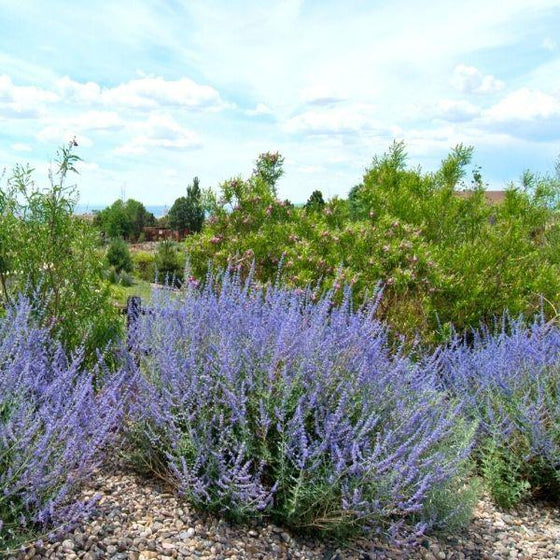
For Russian sage, go light — a one-third chop is plenty. This plant has a tendency to fall open in the middle as the silvery stems get long and bloom-heavy, and a late-spring trim keeps the habit tighter without sacrificing too much of the airy, see-through look that makes Perovskia such a useful design plant. It also pushes the bloom window a bit later into summer, which is welcome in zones where it usually finishes too early.
Other strong candidates worth experimenting with: mums, Joe Pye weed (excellent for height control), and goldenrod (Solidago). If a plant tends to shoot up, lean out, or bloom all at once, it's often a good candidate. Browse our full perennial collection to find more varieties that respond well to this technique.
Plants to Avoid (or Use Caution)
Not everything likes a Chelsea Chop. Be cautious with:
- Spring bloomers — you'll remove the flower show
- Plants that bloom on last year's wood, like many hydrangeas
- Single-stem plants that don't branch well
- Very early bud setters, where timing is easy to miss
When in doubt, try the staggered method first — cut only a portion and see how it responds.
Using the Chelsea Chop in Landscape Design
This isn't just a maintenance trick; it's a design tool.
1. Keep Layers Readable
In a mixed border, the Chelsea Chop helps mid-layer plants (like asters, phlox, and sedum) stay in their lane so shorter edging plants don't get swallowed by July.
2. Control "See-Over" Plants
Plants meant to sit behind a path or low wall often get too tall mid-season. A Chelsea Chop helps maintain the intended sightlines.
3. Stretch Seasonal Interest
Using the staggered chop across a drift creates a more continuous bloom display — especially helpful in pollinator gardens where you want consistent resources rather than a single big burst.
4. Reduce Staking
In landscapes where weekly fussing isn't practical, the Chelsea Chop is a preventative solution that keeps plantings looking professionally maintained.
Quick Chelsea Chop Checklist
- Choose summer/fall bloomers that tend to get tall or floppy
- Time it for late spring, before buds form
- Cut back ⅓–½ (or use a staggered approach)
- Expect shorter plants, later blooms, and more branching
- Enjoy a border that looks intentional, upright, and in bloom longer
Woodies' Take
The Chelsea Chop is one of those gardening moves that feels almost too simple — until you see the results. It's a single moment of action that pays you back for months: tidier plants, better proportions, fewer flops, and blooms that keep coming when other gardens start to fade.
Once you try it, you'll start looking at your perennials in spring and thinking, "Who needs staking when I've got scissors?"