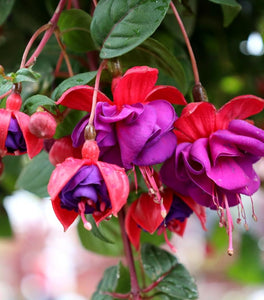
Images Depict Mature Plants
White Calibrachoa
Calibrachoa hybrida
This hanging basket is a beautiful and easy addition to your outdoor decor; and a great gift plant as it is already in a hanging basket and ready for display! *At this time, we cannot guarantee that this plant will be in full bloom at the time of arrival*

20% Off Sitewide Sale!
Use Code 'ENDOFSEASON20' At Checkout
📦 Free shipping on orders over $99.
Share:


White Calibrachoa Hanging Baskets for Sale Online
White Calibrachoa is also known as Million Bells, or Mini Petunia, are naturally compact and covered with white flowers. The trumpet-shaped flowers bloom throughout the entire growing season. The small leaves remain green throughout the growing season. Calibrachoas are often visited by butterflies and hummingbirds, which add to their allure. Calibrachoas are self-cleaning, meaning you'll barely notice the spent flowers hanging on the trailing stems.

| Hardiness Zone: | 10-11 |
|---|---|
| Mature Height: | Hanging |
| Mature Width: | 18 to 24 Inches |
| Classification: | Annual |
| Sunlight: | Full sun to Part Shade |
| Habit: | Trailing |
| Flower Color: | White with Yellow Throat |
| Foliage: | Deep Green |
| Soil Condition: | Well-draining |
| Water Requirements: | Likes to dry out between waterings |
| Uses: | Hanging basket |
How to Care for White Calibrachoa
Before you buy a White Calibrachoa, make sure to read about the care instructions that are required and recommended to keep this plant healthy and thriving!

How Do I Water White Calibrachoa?
White Calibrachoa prefers evenly moist well-drained soil to thrive. Once a week or as needed, water deeply until water spills out from the drainage holes at the bottom.

What Type Of Fertilizer Does White Calibrachoa Require?
To keep your White Calibrachoa in its best shape, we recommend feeding them once a week while they are growing in the summer. For the best and biggest blooms, use a flower-focused fertilizer such as Espoma Flower Tone. After fertilizing, water your plant thoroughly.

What is The Best Soil for My White Calibrachoa Plant?
If you would like to repot your Sky Blue Calibrachoa, they prefer rich, well-draining soil although they can tolerate a wide range of pH levels and soil types including clay, loamy, and sandy.

How Much Sun Does My White Calibrachoa Need?
White Calibrachoa plants love full sun; for the best blooms, place your plant in a sunny area such as a porch or patio where it will receive at least 6 to 8 hours of bright sun a day.