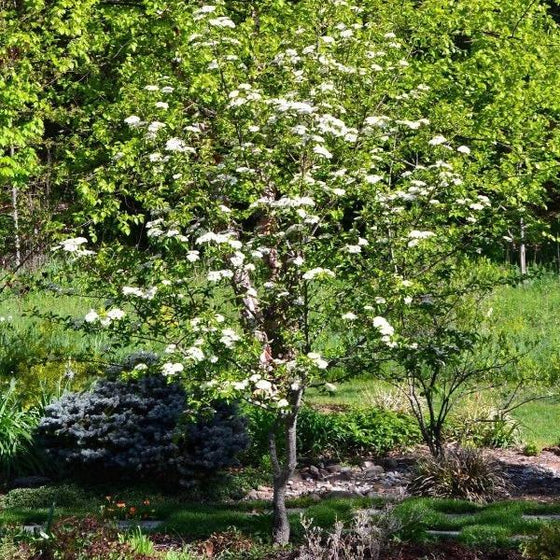
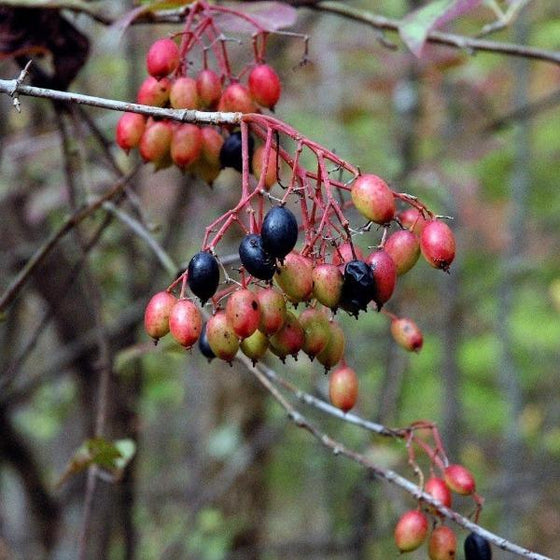


Images Depict Mature Plants
Blackhaw Viburnum
Viburnum prunifolium
Blackhaw Viburnum is one of those native shrubs that gives you a lot back for the space it takes up. I like it because it can handle privacy duty, but it also brings fragrant spring flowers, berries for birds, and really strong fall color. It has that nice balance of looking natural and still feeling polished enough for a home landscape. For homeowners looking for a native screening shrub, a wildlife-friendly border plant, or a larger deciduous shrub with real four-season value, this is a really dependable choice.

15% OFF WITH CODE PLANTING15
Save 15% Off Your Entire Order! Limited time.
📦 Free shipping on orders over $99.
Delay shipping by leaving us a message at Checkout.
Share:

A Native Viburnum With Fragrant Blooms, Wildlife-Friendly Berries, And Four-Season Value
A Native Shrub That Brings Beauty And Privacy To The Landscape
Blackhaw Viburnum is one of those shrubs that combines practical landscape function with real ornamental value. Its upright, densely branched habit makes it especially useful for hedges, privacy screens, and naturalized borders where homeowners want meaningful coverage without the rigid feel of a formal evergreen hedge. It grows with enough substance to define a space, soften a property line, or anchor a larger mixed border while still feeling natural in the landscape.
Because it is a North American native shrub, it also fits beautifully into woodland gardens, wildlife plantings, and more ecologically minded designs. It looks just as appropriate in a native border as it does in a more polished residential setting. For homeowners looking for a native privacy shrub that is tough, adaptable, and attractive year-round, Blackhaw Viburnum is an excellent choice.
Very Fragrant White Spring Flowers Add Seasonal Appeal
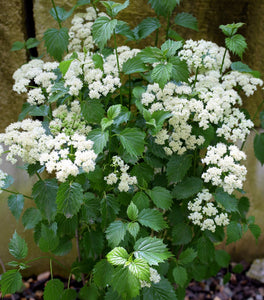
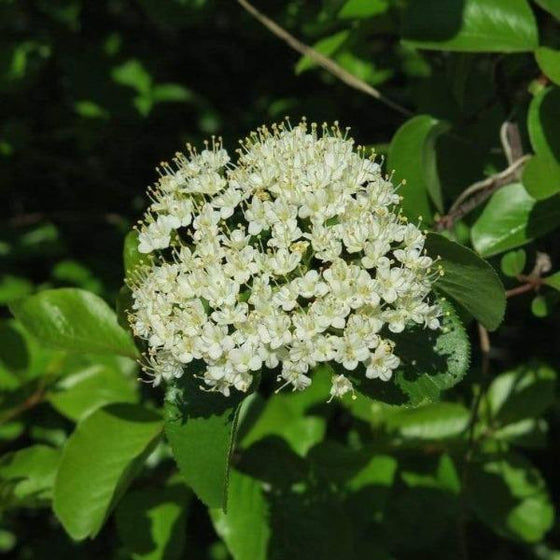
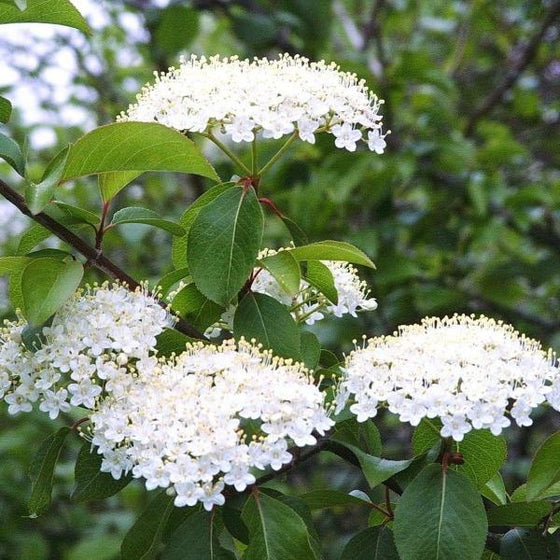
In late spring, Blackhaw Viburnum produces clusters of creamy white flowers that brighten the plant and add a refined bloom season to the landscape. The flowers are very fragrant, which adds even more appeal to the shrub near patios, walkways, porches, and garden seating areas. That scent adds a sensory layer that many larger screening shrubs simply do not offer.
This bloom display makes Blackhaw more than just a functional hedge plant. It gives the shrub a true ornamental moment in spring before the berries and fall foliage begin to carry the show later in the season. For gardeners who want a native flowering shrub that supports pollinators while still looking polished and garden-worthy, this plant delivers.
Blue-Black Berries And Fall Color Keep The Show Going
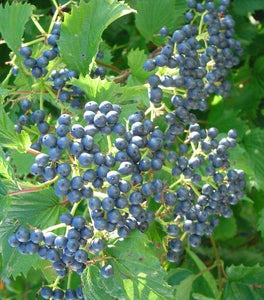
After flowering, Blackhaw Viburnum develops ornamental berries that shift from red to deep blue-black in fall. These berries add contrast against the dark green foliage and provide a valuable food source for birds and other wildlife, making the shrub especially useful in bird-friendly landscapes. The fruit gives the plant another strong season of interest and helps it stand out as more than just a spring bloomer.
In fall, the foliage turns vivid shades of red, orange, and purple, adding yet another ornamental season before winter. That progression from fragrant flowers to wildlife-friendly berries to rich fall color gives Blackhaw Viburnum real four-season appeal. It is a shrub that continues to contribute to the landscape long after many plants have peaked.
Adaptable, Deer Resistant, And Easy To Grow
Blackhaw Viburnum is especially useful because it adapts to a range of conditions. It grows well in full sun to partial shade and tolerates everything from dry, rocky soils to richer loamy conditions as long as drainage is good. Once established, it becomes more drought-tolerant and is also considered deer-resistant, which makes it a practical choice for lower-maintenance landscapes and challenging sites.
This adaptability makes it easy to use in hedges, wildlife gardens, mixed borders, and specimen plantings. With regular water during establishment, one yearly spring feeding, and light seasonal pruning, it settles in as a dependable long-term performer. For homeowners looking for a native viburnum with privacy value, fragrance, wildlife support, and strong fall color, Blackhaw Viburnum is a really rewarding choice.
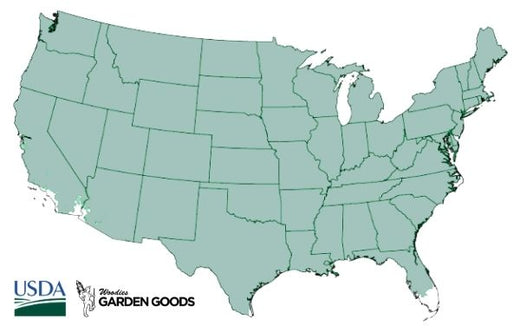
| Hardiness Zone: | 3-9 |
|---|---|
| Mature Height: | 12 to 15 Feet |
| Mature Width: | 6 to 12 Feet |
| Sunlight: | Full sun to partial shade |
| Bloom Time / Color | Late spring; creamy white flowers, very fragrant in May |
| Soil Condition: | Any well-drained soil; adaptable to dry, rocky, and loamy soils |
| Water Requirements: | Water well until established |
| Wildlife Value | Attracts pollinators and provides berries for birds and wildlife |
| Resistance (deer/disease/drought/etc.) | Deer resistant and drought tolerant once established |
| Landscape Uses | Privacy screen, hedge, specimen shrub, mixed border, woodland garden, wildlife planting |
How to Care for Blackhaw Viburnum
Be sure to read our planting instructions to ensure a healthy and happy Blackhaw Viburnum for years to come!

How should I plant Blackhaw Viburnum?
Plant Blackhaw Viburnum in a location with well-drained soil and full sun to partial shade. It adapts well to a variety of soil types, including dry, rocky soils and richer loamy sites, which makes it especially flexible in home landscapes. Dig a hole twice as wide and just as deep as the root ball, set the shrub so the top of the root ball is level with the surrounding soil, then backfill and water thoroughly. If planting multiple shrubs for a hedge or privacy screen, space them about 6 to 12 feet apart depending on how quickly you want them to fill in and how much of their mature form you want to show. Finish with mulch around the base to help hold moisture and reduce weeds during establishment.

How often should I water Blackhaw Viburnum after planting?
During the first growing season, keep the soil consistently moist so Blackhaw Viburnum can establish a strong root system. Deep watering once or twice a week is usually enough, especially during hot or dry weather, as long as the soil is not allowed to become soggy. Once established, the shrub becomes more drought-tolerant and usually needs less frequent supplemental water. During prolonged dry periods, it helps to check the soil and water deeply if the top few inches have dried out. Deep watering is much better than frequent light watering for long-term root strength.

When should I fertilize Blackhaw Viburnum?
Fertilize Blackhaw Viburnum in early spring before new growth begins. A balanced slow-release fertilizer works well and is usually enough to support healthy foliage, steady growth, and strong flowering through the season. One application per year is generally sufficient. If you prefer a gentler organic approach, compost or well-rotted manure can be used around the root zone to improve soil structure and support long-term plant health.

When and how should I prune Blackhaw Viburnum?
The best time to prune Blackhaw Viburnum is in late winter or early spring before new growth begins, especially for removing dead, damaged, or diseased branches and improving airflow through the plant. Light thinning of inner branches can also help preserve a healthy structure. If shaping is needed, you can also prune after flowering in late spring. Keep pruning selective and moderate, and avoid removing more than about a third of the shrub at one time so the plant keeps its attractive natural form and strong seasonal performance.