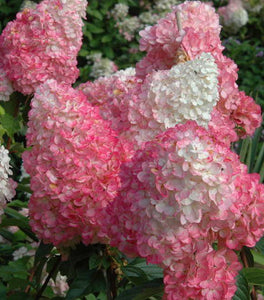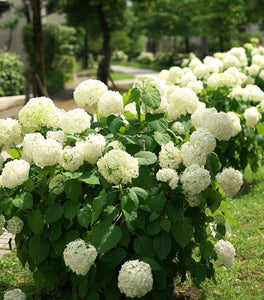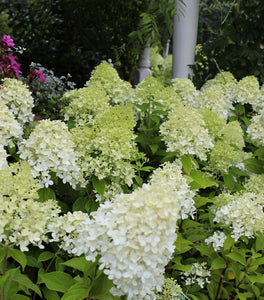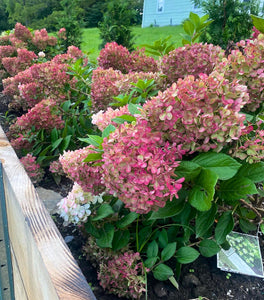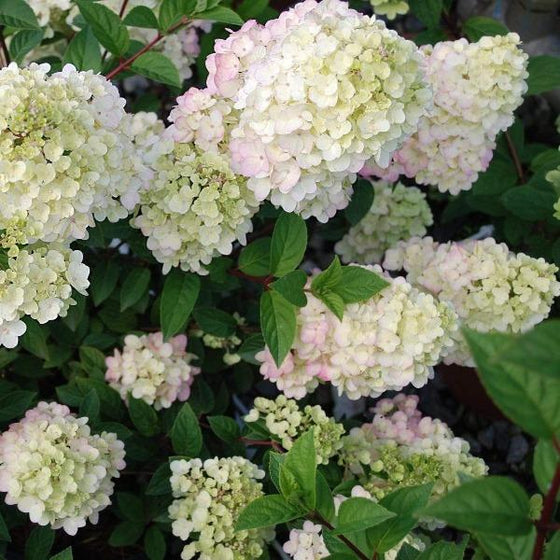
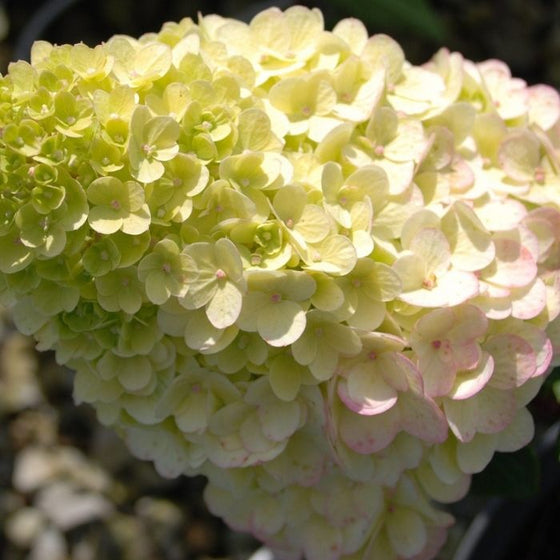
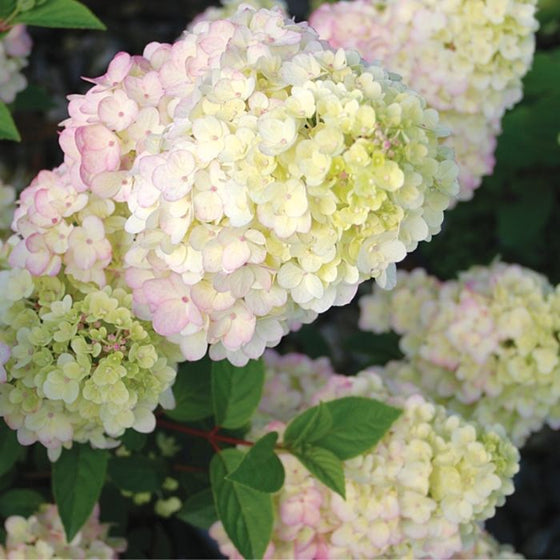


Images Depict Mature Plants
First Editions® Strawberry Sundae® Hydrangea
Hydrangea paniculata 'Rensun' PP25438
Strawberry Sundae® is one of my favorite “small garden, big reward” hydrangeas. You get those full panicle blooms that start creamy white, then blush pink, then ripen into that strawberry-red look that makes a planting feel special from midsummer into fall. It’s easier than most people expect—sun-friendly, cold-hardy, and simple to prune in early spring because it blooms on new wood. Give it steady moisture while it’s getting established, plant it with good spacing, and let the color show begin.

20% Off Sitewide Sale!
Use Code 'ENDOFSEASON20' At Checkout
📦 Free shipping on orders over $99.
Delay shipping by leaving us a message at Checkout.
Share:


Strawberry Sundae® Hydrangea for Compact Size, Big Panicle Blooms, and White-to-Pink-to-Red Summer Color
Color-Changing Panicle Blooms That Keep Getting Better
Strawberry Sundae® Hydrangea is all about that “dessert display” of color. The large, cone-shaped flower panicles open creamy white, then blush pink as summer progresses, often deepening into richer strawberry-red tones later in the season. Instead of a single week of peak bloom, you get a gradual, satisfying color shift that keeps the shrub looking fresh and dynamic from midsummer into fall.
This variety shines as a focal point because the blooms read beautifully from a distance and up close. Plant it where you’ll see the color change—near a patio, along a walkway, or as a front-yard accent that earns compliments. The blooms are also excellent for cutting, giving you fresh arrangements early and longer-lasting “aged” panicles later. If you want one shrub that delivers a full season of evolving color, Strawberry Sundae® is a reliable showpiece.
Big Impact For Small Gardens And Tight Borders
Strawberry Sundae® is prized for its ability to deliver the look of larger panicle hydrangeas in a more compact footprint. It typically matures around 4 to 5 feet tall and 3 to 4 feet wide, with a dense, upright habit that fits foundation beds, smaller landscapes, and layered border designs. It’s an easy way to add hydrangea height and bloom power without committing to a giant shrub that overwhelms the space.
That “just-right” size also makes it easy to repeat for a cohesive, designer feel. Use one as a specimen, or plant a short row for a flowering screen that feels softer than evergreens but still gives meaningful presence. Strawberry Sundae® pairs beautifully with ornamental grasses, evergreens, and summer perennials—adding structure in spring and a huge color show when summer hits.
Sun-Friendly, Low-Stress Hydrangea Performance
As a panicle hydrangea, Strawberry Sundae® is more sun-tolerant than many bigleaf hydrangeas. Full sun to part shade works well, and in many regions, more sun means stronger flowering and better color development. In hotter climates, some afternoon shade can help the plant look crisper in the heat, but this is still a “bright light” hydrangea that performs best when it’s not tucked in deep shade.
Care stays refreshingly straightforward: plant in well-drained soil, keep moisture consistent while it establishes, and mulch to stabilize the root zone. Once established, it’s a sturdy flowering shrub that doesn’t require constant fussing. Deep, thorough watering during dry spells supports bigger panicles and sturdier stems, helping the shrub look fuller and more upright throughout bloom season.
Pruning And Spacing That Make Blooms Bigger And Plants Healthier
Panicle hydrangeas bloom on new wood, and Strawberry Sundae® is no exception—meaning it flowers on the current season’s growth. That’s great news for gardeners who worry about pruning at the “wrong” time. Prune in late winter or early spring to shape the plant and encourage strong new shoots, and you’ll still get a big bloom show the same year. A light-to-moderate spring prune also helps keep the shrub tidy and supports sturdier flowering stems.
Spacing is the other secret to long-term success. For best results, plant shrubs about 3 to 4 feet apart (center to center) so they can fill in without crowding. That spacing improves airflow, helps foliage dry faster after rain, and supports a stronger, more balanced framework. Give Strawberry Sundae® room to grow, water it well in its first season, and you’ll get a healthier shrub and a more dramatic color display year after year.
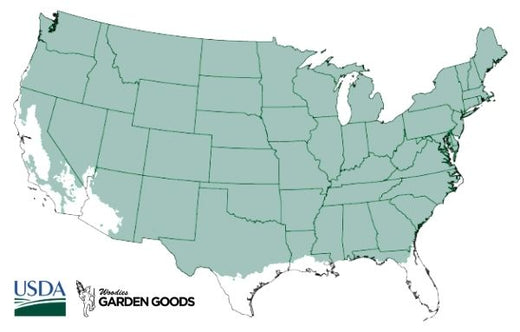
| Hardiness Zone: | 3-8 |
|---|---|
| Mature Height: | 4 to 5 feet |
| Mature Width: | 3 to 4 Feet |
| Sunlight: | Full sun to part shade |
| Bloom Time / Color: | Midsummer to fall; white blooms aging pink, then strawberry-red |
| Pruning Season: | Late winter to early spring, promotes increased branching and more flowers |
| Soil Condition: | Moist, well-drained soil; adaptable once established |
| Water Requirement: | Medium; consistent moisture while establishing |
| Wildlife Value: | Can support pollinator presence during bloom |
| Resistance: | Not reliably deer resistant; cold hardy; moderate drought tolerance once established |
| Landscape Uses: | Borders, foundation beds, small gardens, low hedge, containers, specimen shrub, cut flowers |
How to Care for Strawberry Sundae® Hydrangea
Be sure to read our planting instructions to ensure a healthy and happy Strawberry Sundae® Hydrangea plant for years to come!

How should I plant Strawberry Sundae® Hydrangea?
Plant Strawberry Sundae® Hydrangea in full sun to part shade in well-drained soil. Dig a hole about twice as wide as the root ball and set the plant so the top of the root ball is level with the surrounding soil. Backfill with native soil (amend with compost if your soil is very sandy or heavy), then water deeply to settle the roots and remove air pockets. Finish with 2–3 inches of mulch over the root zone, keeping mulch a few inches away from the stems. Mulch helps retain moisture and reduce heat stress, supporting stronger stems and fuller bloom panicles. If planting multiple shrubs, space them so each plant can reach mature width without crowding.

How often should I water Strawberry Sundae® Hydrangea after planting?
Water deeply right after planting, then keep the soil evenly moist for the first several weeks. A good baseline is 1 to 2 deep waterings per week, adjusted for rainfall, heat, wind, and how quickly your soil drains. Consistent moisture during establishment helps roots expand, which leads to a fuller shrub and better flowering. After the first season, water during dry spells and hot stretches—especially if the plant is in fuller sun. Hydrangeas bloom best when they aren’t drought-stressed, and deep watering encourages stronger growth than frequent light sprinkling. Water at the base of the plant to keep foliage drier.

When should I fertilize Strawberry Sundae® Hydrangea?
Fertilize in spring as new growth begins using a balanced, slow-release shrub fertilizer or a compost top-dress for gentle nutrition. Apply across the root zone (not against the stems) and water afterward so nutrients move into the soil. Avoid overfeeding, which can push leafy growth at the expense of blooms. If your soil is lean, a light second feeding in early summer can support strong flowering and healthy growth. Skip heavy late-season fertilizing so the plant can naturally slow down and prepare for fall. Moderate feeding and consistent moisture are the easiest ways to support bigger, better bloom panicles.

When and how should I prune Strawberry Sundae® Hydrangea?
Prune Strawberry Sundae® Hydrangea in late winter or early spring, before vigorous new growth begins. Because it blooms on new wood, spring pruning will not remove the season’s flowers. Start by removing dead or damaged stems, then shape the plant to maintain a balanced, upright framework. For a tidier shrub and strong flowering shoots, reduce last year’s growth by about one-third. If you want a larger shrub with more overall flowers, prune more lightly and focus on cleanup. Avoid late-summer and fall pruning so the plant can harden off naturally before winter.