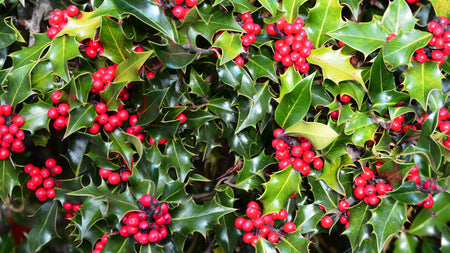
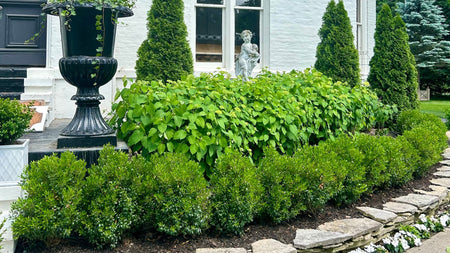
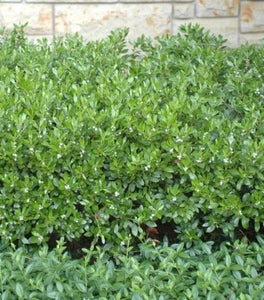
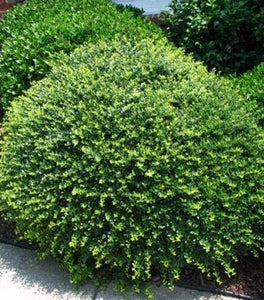
Images Depict Mature Plants
Squeeze Box® Inkberry Holly
Ilex glabra 'Squeeze Box'
Squeeze Box® is one of those “finally, the right plant for this spot” evergreens—tall enough to give structure, narrow enough to fit where space is tight, and dependable enough to look good all year without drama. I also love that it’s a male pollinator, because if you pair it with female inkberries nearby, you can boost berry set while keeping your hedge or foundation planting crisp and clean.

20% Off Sitewide Sale!
Use Code 'ENDOFSEASON20' At Checkout
📦 Free shipping on orders over $99.
Delay shipping by leaving us a message at Checkout.
Share:

Narrow Upright Evergreen Shrub For Hedges, Foundations, And Structure
A Narrow Evergreen That Fits Where Other Shrubs Don’t
Squeeze Box® Inkberry Holly was made for tight spaces that still need year-round structure. Its naturally upright, pyramidal habit gives you vertical presence without the wide sprawl, making it ideal for narrow side yards, walkway edges, and foundation beds where you want evergreen “bones” but don’t have the footprint for broader shrubs. The foliage stays clean and green year-round, so your landscape looks intentional even in winter.
This is also a strong choice when you want a crisp look without constant fussing. Use it as a single specimen to punctuate a bed, plant it in repeats for rhythm and symmetry, or line it along a property edge for a tidy, narrow screen. It delivers that “finished” evergreen architecture that designers love, especially in places where boxwood struggles or where you need more height in a slimmer profile.
A Better Hedge Experience With Dense Coverage And Easy Shape Control
If your goal is a narrow evergreen hedge, Squeeze Box® shines. Because it has a compact width, you can create a defined green boundary without sacrificing usable yard space. It also responds well to light shaping, which means you can keep a hedge looking crisp without turning pruning into a constant weekend project. The key is starting early: small, regular trims encourage denser growth and a cleaner hedge line.
For the most polished look, keep the top slightly narrower than the base so sunlight reaches lower branches. This helps the hedge stay full from the ground up. Whether you’re screening a utility area, framing a patio, or defining the edge of a bed, Squeeze Box® makes it easy to build an evergreen structure that looks professional and stays manageable.
Native Toughness With Sun-To-Shade Flexibility
Inkberry holly is a native evergreen, and that shows up in its durability. Squeeze Box® handles full sun to part shade, giving you more flexibility than many “formal” evergreens. Full sun typically supports the densest growth, while part shade can be ideal in hotter regions or during afternoon heat. It prefers moist, slightly acidic to acidic, well-drained soil, which is a common sweet spot for many landscapes, especially when you maintain a mulch ring and keep turf competition at bay.
Once established, it’s reliably low-maintenance, but it appreciates consistent moisture during the first growing season. If your soil is alkaline, adding organic matter and using an acid-friendly fertilizer schedule can help support richer foliage color and better overall vigor. It’s a practical evergreen choice for gardeners who want good looks without delicate requirements.
The Berry Detail That Matters: Male Pollinator Power
Here’s the honest, helpful detail shoppers love to know: Squeeze Box® is a male inkberry holly. That means it will not produce berries itself, but it can play an important role if you want berries on nearby female inkberries. Planting a male pollinator near compatible female varieties can improve fruit set, giving you that classic holly-berry look where it belongs.
Even without berries, this plant earns its keep as a clean, architectural evergreen. Think of it as the “structure” piece in your planting—perfect for hedges, foundations, and year-round green form. If you want berries, pair it with female inkberries; if you want evergreen shape and deer-resistant reliability, Squeeze Box® delivers beautifully on its own.
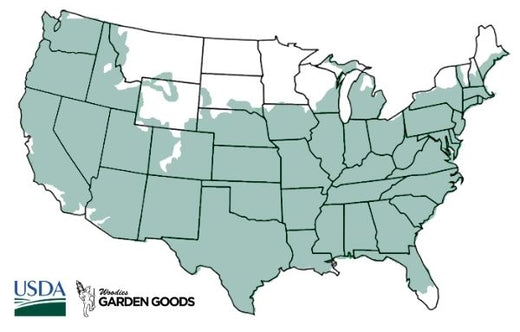
| Hardiness Zone: | 5-9 |
|---|---|
| Mature Height: | 4 to 6 Feet |
| Mature width: | 2 to 3 Feet |
| Sunlight: | Full sun to part shade |
| Soil Condition: | Moist, acidic to slightly acidic, well-drained |
| Water Requirements: | Average to consistent moisture (especially year 1) |
| Bloom Time / Color: | Spring; small white flowers (not showy) |
| Resistance (deer/disease/drought/etc.): | Deer resistant; dependable evergreen; best with consistent moisture |
| Wildlife Value: | Evergreen cover; supports berry set on nearby female inkberries as a pollinator |
| Landscape Use: | Narrow hedge, specimen, foundation planting, containers, formal structure |
How to Care for Squeeze Box® Inkberry Holly
Be sure to read our planting instructions to ensure a healthy and happy Squeeze Box Inkberry Holly for years to come!

How should I plant Squeeze Box® Inkberry Holly?
Plant Squeeze Box® Inkberry Holly in full sun to part shade in moist, well-drained soil. Dig a hole about twice as wide as the root ball, set the shrub at the same depth it was growing, backfill, and water deeply to settle the roots. If your soil tends to run alkaline, mix in compost and keep a mulch ring to help support the slightly acidic conditions inkberries prefer. For hedges, set your line first and measure spacing before planting so the hedge fills in evenly. Finish with a 2–3-inch mulch layer to hold moisture and reduce weeds, keeping it a few inches away from the stems. Good planting depth and steady first-year moisture are the fastest paths to dense, healthy evergreen growth.

How often should I water Squeeze Box® Inkberry Holly after planting?
Water deeply right after planting, then keep the root zone evenly moist during the first growing season. In most landscapes, that means deep watering 1–2 times per week when rainfall is light, and more often during heat or windy weather. Slow soakings are better than quick sprinkling because they encourage deeper roots. After establishment, water during extended dry spells to keep foliage looking its best—especially on full-sun sites. Inkberries don’t like to dry out repeatedly, so a wide mulch ring and occasional deep watering help the plant stay dense and stress-free.

When should I fertilize Squeeze Box® Inkberry Holly?
Fertilize in early spring as new growth begins, using a slow-release evergreen fertilizer or an acid-forming shrub fertilizer if your soil is not naturally acidic. Keep fertilizer off the stems and apply it over the root zone, then water it in well. Moderate feeding supports steady growth and rich green foliage without pushing weak, overly soft growth. If your soil is lean or your shrub is in a container, a second light feeding in late spring can help maintain vigor. Avoid heavy late-summer fertilizing so the plant can harden off properly heading into winter.

When and how should I prune Squeeze Box® Inkberry Holly?
Prune in late winter to early spring to refine shape and encourage dense new growth. Remove any damaged stems and lightly trim the outer growth to maintain that clean, upright form. For hedges, a light shear after the first flush of growth can help tighten density and keep the line crisp. Avoid cutting hard back into old, leafless wood; instead, trim within the green growth to maintain fullness. Keeping the top slightly narrower than the base helps sunlight reach lower branches, which supports a hedge that stays thick from top to bottom.