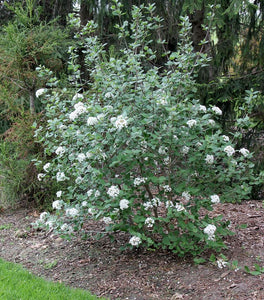
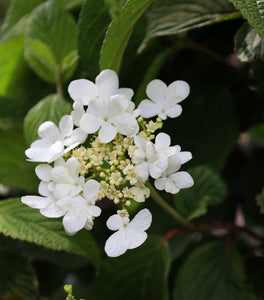
Images Depict Mature Plants
Snowball Viburnum
Viburnum opulus
Snowball Viburnum is one of those classic shrubs that still earns its place because the bloom show is just that good. When it is covered in those big white flower balls, it brings a landscape to life in a way few spring shrubs can. I like it best where it has room to grow into its natural shape, whether that is in a mixed border, a cottage-style bed, or as a large flowering anchor near the edge of the yard. It has that timeless garden feel homeowners never really get tired of.

15% OFF WITH CODE PLANTING15
Save 15% Off Your Entire Order! Limited time.
📦 Free shipping on orders over $99.
Delay shipping by leaving us a message at Checkout.
Share:

Big White Spring Blooms With Classic Landscape Charm
A Classic Flowering Shrub With Show-Stopping Spring Blooms
Snowball Viburnum is one of those flowering shrubs that instantly makes a landscape feel established, generous, and full of spring energy. Its oversized round clusters of white flowers create the familiar “snowball bush” look that has made it a longtime favorite in cottage gardens, foundation beds, and mixed shrub borders. The bloom display is bold and unmistakable, bringing a soft but dramatic look to the landscape at the height of spring. For homeowners who want a shrub with traditional beauty and real visual impact, Snowball Viburnum still earns its place.
The flowers are especially appealing because of their shape and massing. Instead of loose flower clusters, this plant produces large, rounded balls that give it its common name and make it so recognizable from a distance. In bloom, it has a full, celebratory look that works beautifully near porches, fences, garden edges, and older-style homes, but it can also be used in newer landscapes where a softer, more romantic planting style is desired. This is a shrub that gives spring real presence.
A Larger Shrub That Adds Structure Beyond Bloom Season
Snowball Viburnum is not just a flowering accent. It is also a substantial deciduous shrub that helps anchor planting beds and create mass in the landscape. It is commonly grown as a large, rounded shrub and works well in foundation corners, along property lines, at the back of perennial borders, or as part of an informal hedge. That larger habit makes it useful for homeowners who want a flowering shrub with enough presence to shape the space, not just decorate it for a few weeks.
Because it has that fuller, more traditional shrub form, Snowball Viburnum is especially well-suited to layered plantings. It pairs well with evergreens, perennials, and other deciduous shrubs where its spring bloom can take center stage before the surrounding plants fill in for summer. It also works beautifully in cottage-style designs, heritage-inspired plantings, and mixed borders where scale matters. This is a shrub that can help carry the backbone of a landscape while still delivering a memorable seasonal show.
Old-Fashioned Appeal, Easy Garden Presence
Part of the appeal of Snowball Viburnum is that it feels familiar in the best possible way. It brings that old garden character many homeowners want without feeling outdated. The shrub has a welcoming, generous look that suits family landscapes, front yards, and spaces where bloom display matters. When planted where its mature size is respected, it develops into a graceful, full shrub that looks best with only light shaping.
Another helpful point for buyers is that this classic snowball form is typically sterile, so the plant is prized mainly for flower display rather than ornamental fruit. That makes the shrub’s purpose straightforward: it is here to create a major spring bloom moment and provide dependable woody structure for the rest of the season. For gardeners who love traditional white flowering shrubs and want something with presence, Snowball Viburnum is an easy favorite.
Simple Care and the Right Pruning Timing Matter Most
Snowball Viburnum is not difficult to grow, but timing matters when pruning. Like many spring-blooming shrubs, it should be pruned immediately after flowering so it has time to set buds for the following year. Cutting it back too late in the season can reduce next spring’s flower show. That one care point makes a big difference and helps homeowners keep the plant blooming strongly year after year.
Give it sun to part shade, well-drained soil, and enough room to mature, and it becomes an easy landscape shrub with long-term value. Whether it is planted as a specimen, added to a mixed border, or used in an informal screening row, Snowball Viburnum delivers the kind of classic spring display that never really goes out of style. For homeowners who want a large blooming shrub with heritage charm and dependable presence, it remains one of the most satisfying choices.
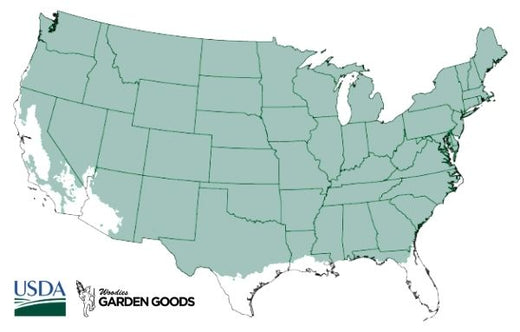
| Hardiness Zone: | 3-8 |
|---|---|
| Mature Height: | 10 to 12 Feet |
| Mature Width: | 10 to 12 Feet |
| Sunlight: | Full sun to part shade |
| Bloom Time / Color | Spring; large white globe-shaped flower clusters: Sterile flowers; grown for bloom display rather than fruit |
| Soil Condition: | Average, well-drained garden soil |
| Water Requirements: | Moderate; consistent moisture during establishment |
| Resistance (deer/disease/drought/etc.) | Easy-care established shrub when properly sited |
| Landscape Uses | Cottage gardens, mixed shrub borders, foundation corners, informal hedges, specimen shrub |
How to Care for Snowball Viburnum
Be sure to read our planting instructions to ensure a healthy and happy Snowball Viburnum for years to come!

How should I plant Snowball Viburnum?
Plant Snowball Viburnum in full sun to part shade in well-drained soil, giving it enough room to mature into a larger shrub rather than sizing the space only to the nursery pot. Dig a hole two to three times as wide as the root ball but no deeper than the root ball itself, and set the shrub so the top of the root ball sits at or slightly above the surrounding grade. Backfill with native soil, water thoroughly, and mulch the root zone with two to three inches of mulch while keeping the mulch away from the stems. Because this plant develops into a fuller rounded shrub, spacing is important in foundation beds and mixed borders so it can keep its natural form without constant shearing.

How often should I water Snowball Viburnum after planting?
Water Snowball Viburnum deeply after planting and keep the soil evenly moist during the establishment period. In the first growing season, deep watering once or twice a week is usually better than frequent light watering, though rainfall, heat, and drainage should always guide the schedule. Once established, the shrub is easier to manage, but it still benefits from supplemental watering during extended dry periods. Mulch helps the soil hold moisture and keeps the root zone more consistent, especially during summer stress.

When should I fertilize Snowball Viburnum?
Fertilize Snowball Viburnum lightly in early spring with a balanced slow-release fertilizer for flowering shrubs. It generally does not require aggressive feeding, and overfertilizing can lead to excess leafy growth at the expense of balanced flowering and habit. In many landscapes, a modest annual feeding paired with mulch or compost is enough to support healthy growth. Avoid fertilizing late in the season, since that can encourage tender growth that may not harden off properly before colder weather.

When and how should I prune Snowball Viburnum?
Prune Snowball Viburnum immediately after it finishes flowering. Since spring-blooming shrubs set their flower buds on older wood, waiting too long to prune can reduce next year’s bloom display. Most pruning should be light and focused on shaping, removing damaged stems, and thinning older branches if the shrub becomes crowded. The goal is to preserve the plant’s natural rounded habit while protecting the flower buds that create the signature snowball bloom show.