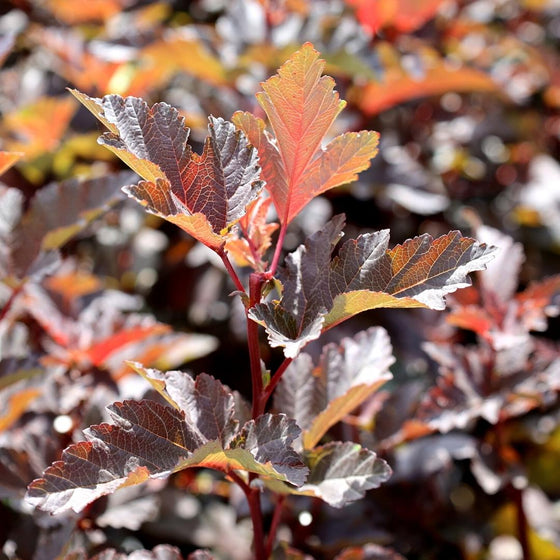
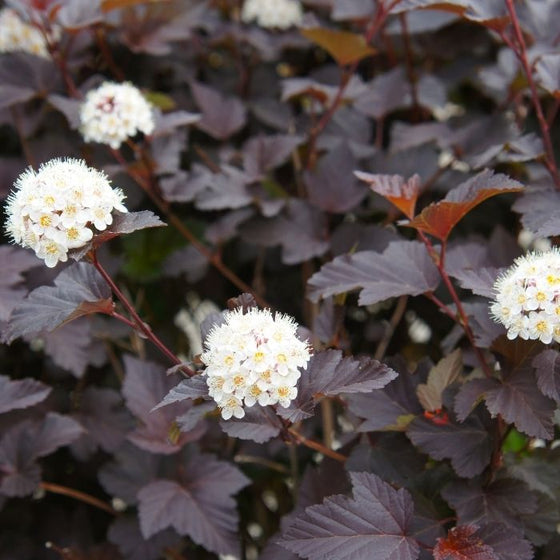
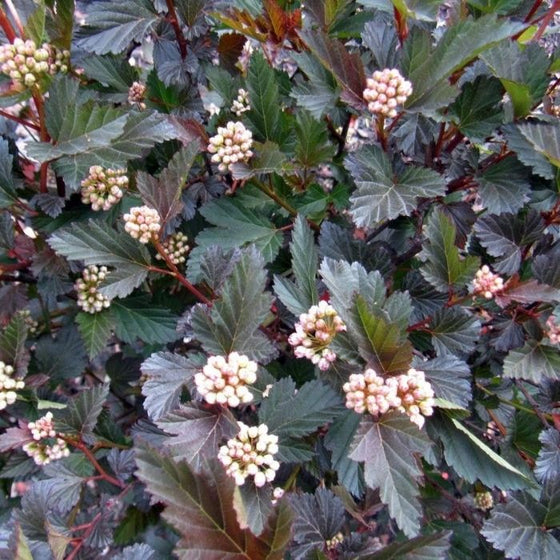


Images Depict Mature Plants
Diablo Ninebark
Physocarpus opulifolius 'Monlo'
Diablo Ninebark is one of those shrubs that really earns its space. The dark foliage gives you color for months, the spring flowers are a nice bonus, and the plant is tough enough to work in a lot of real-world landscape situations without being fussy.

15% OFF SITEWIDE SALE
Use Code 'PRIMETIME15' At Checkout
📦 Free shipping on orders over $99.
Delay shipping by leaving us a message at Checkout.
Share:


Bold Burgundy Foliage and Native Toughness in a Striking Deciduous Shrub
A native shrub with dramatic foliage presence
Diablo Ninebark is an excellent choice for homeowners who want a shrub that makes a strong statement from spring through fall. Its rich dark foliage gives the landscape a bold look that immediately stands out against green shrubs, lighter perennials, and stone or brick. This is the kind of plant that can anchor a bed visually, even when it is not in bloom.
Deep purple foliage keeps the plant attractive for months
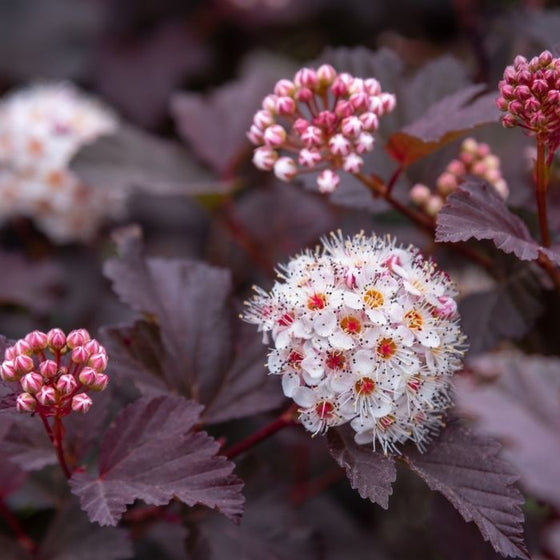
One of the biggest reasons homeowners choose Diablo Ninebark is the foliage color. The leaves emerge with coppery tones and deepen into rich burgundy or purple through the growing season, giving the plant long-lasting ornamental value. That bold color helps create contrast in mixed borders and adds depth to larger landscape compositions.
Late spring flowers soften the look beautifully
In late spring, Diablo Ninebark produces clusters of soft pinkish-white flowers that stand out nicely against the darker foliage. The bloom show adds a softer, more delicate layer to a plant that is otherwise known mostly for its bold leaf color. Later in the season, reddish seed capsules can also add a little extra interest.
Excellent for hedges, borders, and larger accent plantings
Diablo Ninebark works especially well as a screening shrub, colorful hedge, large border anchor, or specimen plant where its dark foliage can be appreciated. It also fits nicely into native shrub groupings and wildlife-friendly plantings where homeowners want a shrub that is both ornamental and broadly adaptable.
Tough, adaptable, and useful in many landscape situations
This shrub performs best in full sun to part shade and adapts to a wide range of soils as long as drainage is reasonable. Once established, it is notably hardy and tolerant of many landscape conditions, including some drought. Deer resistance is often associated with ninebark, but it is best described as relative rather than absolute in areas with heavy browsing pressure.
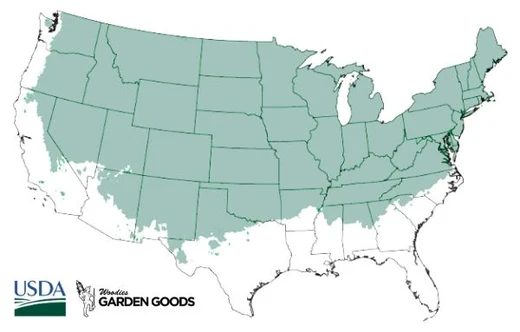
| Hardiness Zone: | 3-7 |
|---|---|
| Mature Height: | 4 to 8 feet |
| Mature Width: | 4 to 8 feet |
| Sunlight: | Full sun to part shade |
| Soil: | Adaptable to many soils with reasonable drainage |
| Bloom Time / Color: | Late spring; pinkish-white flowers |
| Foliage: | Deep burgundy to purple foliage |
| Ornamental Features: | Dark foliage, spring flowers, reddish fruit, exfoliating bark with age |
| Wildlife Value: | Native shrub that can support pollinators and bird-friendly habitat |
| Resistance (deer/disease/drought/etc.): | Commonly described as relatively deer resistant; hardy; adaptable; somewhat drought tolerant |
| Landscape Uses: | Hedges, borders, screening, specimen planting, native shrub plantings, wildlife gardens |
How to Care for Diablo Ninebark
Be sure to read our planting instructions to ensure a healthy and happy Diablo Ninebark for years to come!
-v1776955024864.png?92x91)
How should I plant Diablo Ninebark?
Plant Diablo Ninebark in full sun to part shade in soil with reasonable drainage. Dig a hole about twice as wide as the root ball and no deeper than the root ball itself, then position the shrub so the top of the root ball sits level with or slightly above the surrounding soil. Backfill with the native soil, water deeply, and mulch around the base to help conserve moisture and reduce weed competition. If you are using Diablo Ninebark in a hedge or screen, leave enough room for the shrub to develop its natural width and branching structure over time.
-v1776955047896.png?89x84)
How often should I water Diablo Ninebark after planting?
Water Diablo Ninebark deeply right after planting, then keep the soil evenly moist during the first growing season while the roots establish. In most landscapes, that means regular watering during dry periods, especially through the first summer. Once established, this shrub becomes more tolerant of occasional dry conditions and usually needs much less supplemental irrigation. It still performs best when it is not pushed into severe drought for long stretches during hot weather.
-v1776955063689.png?90x89)
When should I fertilize Diablo Ninebark?
Fertilize Diablo Ninebark lightly in spring if needed, using a balanced slow-release shrub fertilizer. A modest feeding can support healthy foliage color, steady growth, and good bloom performance without pushing overly soft growth. In many landscapes, this shrub does not need heavy feeding to perform well. Proper siting, mulch, and regular moisture during establishment usually matter more than aggressive fertilizing.

When and how should I prune Diablo Ninebark?
Prune Diablo Ninebark after flowering if shaping is needed. That timing helps preserve the spring bloom while giving homeowners a chance to tidy the shrub and manage size if necessary. Older stems can also be thinned periodically to encourage fresher growth and a better overall shape. Many homeowners find that selective pruning works better than repeated shearing, especially if they want to preserve the plant’s natural habit and ornamental bark