

Images Depict Mature Plants
Nellie Stevens Holly
Ilex 'Nellie R. Stevens'
Nellie Stevens Holly is one of those plants that checks a lot of boxes for homeowners in a hurry to make the landscape feel established. It grows fast, screens well, stays evergreen, and the glossy foliage with bright red berries gives it a lot more personality than a basic green hedge. For privacy, structure, and year-round curb appeal, it is a really dependable choice.

15% OFF WITH CODE PLANTING15
Save 15% Off Your Entire Order! Limited time.
📦 Free shipping on orders over $99.
Delay shipping by leaving us a message at Checkout.
Share:Recommended Add-Ons


A Fast-Growing Evergreen for Privacy and Year-Round Beauty
A Holly That Works Hard in the Landscape
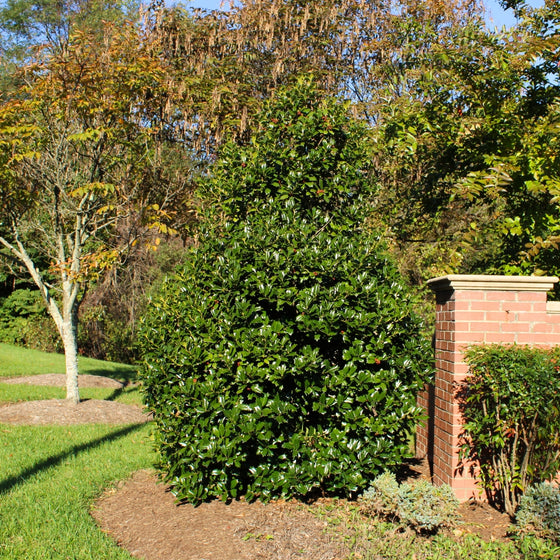
Nellie Stevens Holly is one of the most dependable evergreen choices for homeowners who want privacy, height, and year-round structure without sacrificing ornamental appeal. Its dense pyramidal habit and rich glossy foliage make it a natural fit for screening, hedging, and anchor plantings where a strong evergreen presence matters.
This plant adds immediate design value while also addressing practical landscape needs. Whether used in a row for privacy or as a single specimen, it gives the landscape a more finished, established look in every season.
Glossy Green Foliage with Bright Winter Berries
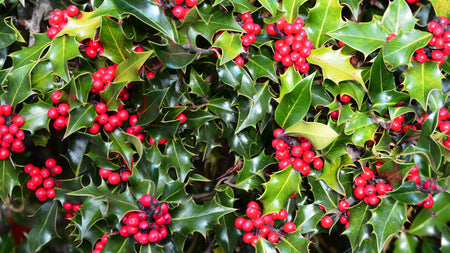
One of the reasons Nellie Stevens Holly remains so popular is the combination of handsome foliage and bold berry display. The leaves are deep green, thick, and glossy, creating a lush, broadleaf evergreen texture that reads as both clean and substantial year-round.
Its bright red berries add another layer of beauty from fall into winter, giving the plant strong seasonal interest when many landscapes feel quiet. That berry display helps make this holly feel decorative as well as useful, especially in high-visibility planting areas.
A Strong Choice for Privacy Screens and Hedges
Nellie Stevens Holly is especially effective when planted in groups. Its dense branching and naturally conical form create a tall evergreen screen that offers privacy, wind protection, and year-round green coverage along property lines, around outdoor living spaces, or as a living wall between neighboring yards.
Because it grows relatively quickly for a broadleaf evergreen, it is especially appealing for homeowners who want a screening plant that fills in faster than many slower-growing options. It delivers practical coverage without looking overly stiff or formal.
Adaptable, Durable, and Easy to Live With
This holly performs best in full sun to partial shade and in well-drained, slightly acidic soil, but it is adaptable enough to work in a wide range of residential landscapes. Once established, it is also more drought-tolerant than many homeowners expect and is generally considered deer-resistant, which adds real value in more challenging planting areas.
That toughness is part of what makes it such a reliable seller. Homeowners get a plant with polished evergreen beauty, but also one that can handle real-world landscape conditions and continue performing with relatively modest maintenance.
A Year-Round Anchor for Traditional and Modern Landscapes
Nellie Stevens Holly fits beautifully into many design styles. It can be used in traditional foundation plantings, formal rows, woodland-edge screens, and even more modern landscapes where a tall, glossy evergreen column is needed for contrast and structure.
For gardeners who want one plant to deliver privacy, evergreen beauty, and winter interest, this is an easy recommendation. It is a high-functioning plant with strong visual appeal, exactly what many residential landscapes need most.


| Botanical Name | Ilex × ‘Nellie R. Stevens’ |
|---|---|
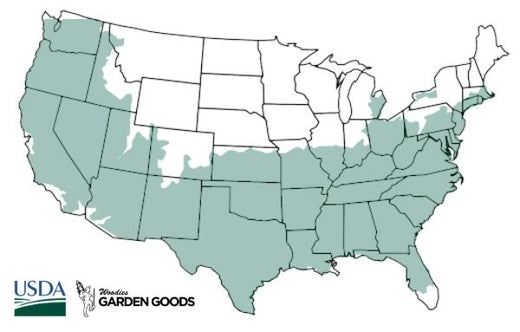
| Hardiness Zone: | 6-9 |
| Mature Height: | 15 to 25 Feet |
| Mature Width: | 8 to 12 Feet |
| Sunlight: | Full Sun to Partial Shade |
| Soil Conditions: | Well-drained, slightly acidic soil |
| Water | Low to moderate once established; regular water during establishment |
| Bloom Time / Color | Spring; inconspicuous white flowers, followed by red berries |
| Ornamental Features | Glossy dark green foliage, dense pyramidal habit, bright red berries |
| Resistance | Deer resistant; drought tolerant once established |
| Wildlife Value | Provides cover for birds; berries add habitat value |
| Landscape Uses | Privacy screen, hedge, specimen plant, windbreak, foundation planting |
How to Care for Nellie Stevens Holly
Be sure to read our planting instructions to ensure a healthy and happy Nellie Stevens Holly for years to come!

How should I plant Nellie Stevens Holly?
Plant Nellie Stevens Holly in a location with full sun to partial shade and well-drained soil. Dig a hole about twice as wide as the root ball and no deeper than the root ball itself, then set the plant so the top of the root ball sits level with the surrounding soil. This helps the roots establish properly and prevents problems associated with planting too deep. Backfill with native soil, water thoroughly, and apply mulch around the root zone to help conserve moisture and reduce weed competition. Keep mulch a few inches away from the trunk or stems. If planting a privacy screen, give each holly enough room for mature width while still allowing the row to fill in over time.

How often should I water Nellie Stevens Holly after planting?
Water Nellie Stevens Holly deeply right after planting, then continue watering regularly during the establishment period. In most landscapes, that means a deep soaking once or twice per week, depending on heat, rainfall, and soil type. The goal is to keep the root zone evenly moist while roots are developing. Once established, this holly becomes more tolerant of dry conditions and usually needs only occasional supplemental watering during extended drought. Deep watering is better than frequent shallow watering because it encourages stronger roots and better long-term performance.

When should I fertilize Nellie Stevens Holly?
Fertilize Nellie Stevens Holly in early spring if needed, especially if growth appears thin or the soil is lean. A balanced slow-release fertilizer for hollies or acid-loving evergreens is usually enough, and compost can also be used to gently improve soil structure and fertility. Avoid overfeeding with rich fertilizer, especially during hot weather or when the plant is under stress. In many cases, proper drainage, good sun exposure, and steady establishment watering are more important than aggressive feeding.

When and how should I prune Nellie Stevens Holly?
Nellie Stevens Holly responds well to pruning and usually needs only light shaping to maintain a dense, attractive form. Late winter or early spring is a good time for structural pruning, while light trimming during the growing season can help maintain a tighter hedge or more formal outline if desired. If you are growing it as a privacy screen, selective pruning is often better than severe shearing because it keeps the plant full while preserving its natural pyramidal habit. Remove dead, damaged, or awkward branches as needed to keep the plant healthy and well-balanced.