


Images Depict Mature Plants
Flirt™ Nandina
Nandina domestica 'Murasaki' PP21391
Flirt™ Nandina is one of my favorite “front-of-bed fixes” because it stays truly dwarf, stays tidy, and delivers that deep red new growth that makes everything around it look more intentional. Put it in the sun for the best color, water it well in year one, and you’ll have an easy evergreen accent that looks sharp in borders and surprisingly good in containers, too.

15% OFF WITH CODE PLANTING15
Save 15% Off Your Entire Order! Limited time.
📦 Free shipping on orders over $99.
Delay shipping by leaving us a message at Checkout.
Share:Recommended Add-Ons


Flirt™ Nandina For Dwarf Evergreen Color In Borders And Containers
Dwarf red foliage that stays bold in small spaces
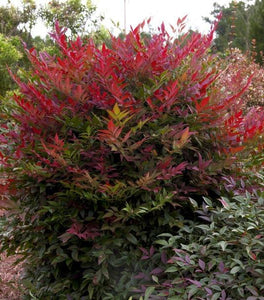
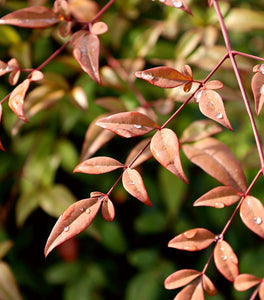
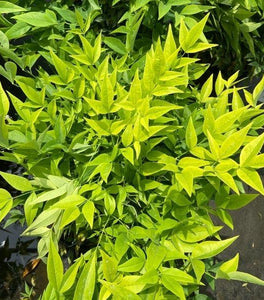
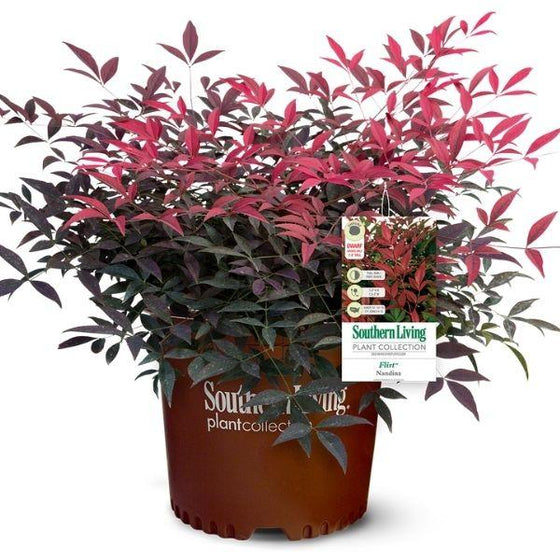
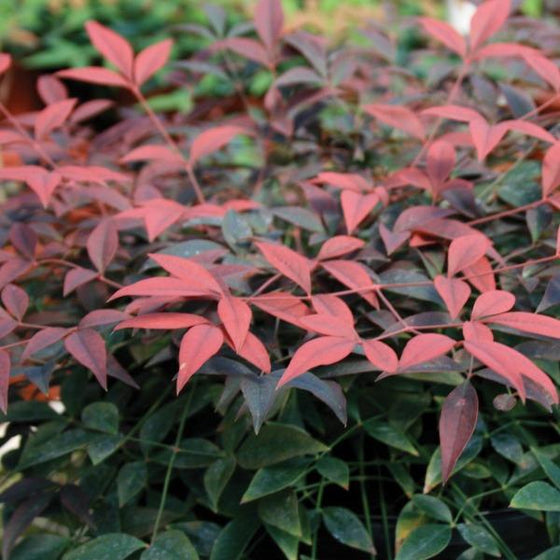
Flirt™ Nandina brings rich, wine-red new growth to the front of the landscape exactly where color has the most impact. The plant stays genuinely dwarf, forming a tight, dense mound that looks refined instead of overgrown. New foliage emerges in deep red tones, then matures toward a darker blue-green center, creating a naturally layered look without needing flowers to carry the show. It’s a simple way to add designer-level contrast to foundation beds, path edges, and small garden borders.
Because it stays low and compact, Flirt™ is perfect for tight spaces where bigger shrubs become a problem. Use it to edge a walkway, frame a planting bed, or replace “mulch-only” zones with living color. Plant a few in a repeating rhythm, and the bed instantly feels more intentional—like you planned it, not like you filled it.
Four-season structure with low-mess, modern performance
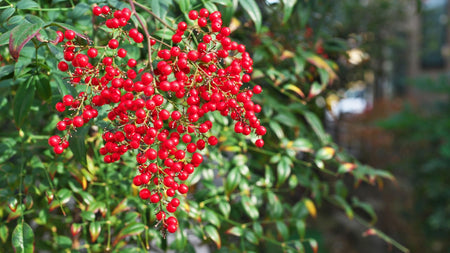
Flirt™ is prized for foliage color and structure, and it typically stays cleaner than older nandinas that produce heavy berries and unwanted seedlings. In most landscapes, it flowers rarely (if at all) and generally doesn’t set fruit, making it a smart choice for shoppers who want the nandina look with fewer concerns about spread and cleanup. The result is a tidy, foliage-first shrub you can use confidently in curated front-yard beds and small-space landscapes.
It’s also a true “set-and-enjoy” plant once established: compact habit, fine texture, and dependable color through the year. In warmer climates, it stays evergreen; in colder edge winters, it may be semi-evergreen, but it rebounds quickly with fresh growth as temperatures warm. If you want a small evergreen that behaves and still delivers strong seasonal color, Flirt™ fits the bill.
Border-ready and container-friendly for easy design wins
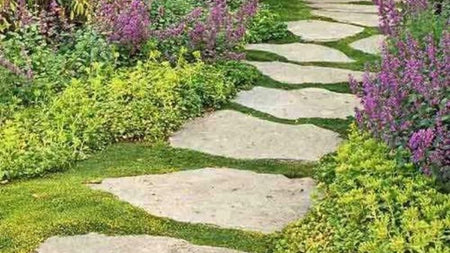
Flirt™ Nandina is one of the easiest shrubs to use in a design plan because it stays proportional. In the ground, it works as a low border, a groundcover-style drift, or a crisp edging that softens hardscape lines without blocking sightlines. It pairs beautifully with evergreens, grasses, and flowering perennials because the foliage reads as a rich accent color rather than a competing bloom. If you’re building layered beds, Flirt™ is a reliable “front row” evergreen anchor.
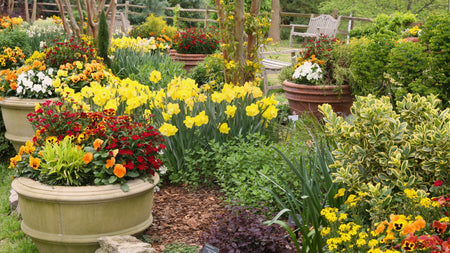
In containers, it shines as a year-round feature plant, compact, colorful, and tidy. Place it in a pot near an entry for an all-season structure, or use it as the evergreen base in a mixed planter that changes with the seasons around it. The key to containers is consistent moisture and drainage, so the plant stays dense and colorful instead of stressed and thin.
Simple pruning that keeps it dense and beautifully mounded
Flirt™ Nandina doesn’t need heavy pruning, but a light touch can make it look even better. Think of pruning as refinement: small tip trims to encourage branching and keep the mound tight, plus occasional thinning if you ever want to refresh the plant. Because it’s naturally compact, you’re not fighting the plant’s habit; you’re simply guiding it to stay crisp at the edges and full at the center.
The easiest routine is late-winter cleanup and a light touch-up after the first flush of growth, if needed. Keep the plant in full sun to part shade for the best red color, and avoid overwatering once established. With correct spacing and modest pruning, Flirt™ stays dense, low, and colorful, exactly what shoppers want from a dwarf nandina.
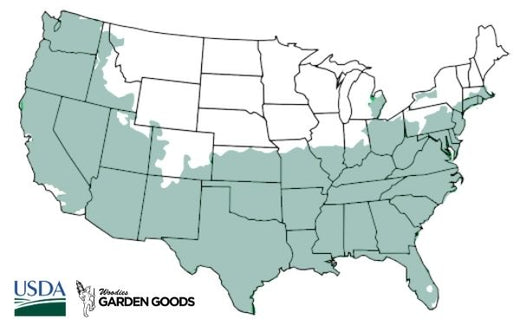
| Hardiness Zone: | 6-10 |
|---|---|
| Mature Height: | 1 to 2 feet |
| Mature Width: | 1.5 to 2 feet |
| Sunlight: | Full sun to part shade (best red color in more sun) |
| Bloom Time / Color | Late spring; small white flowers are uncommon and not showy |
| Soil Condition: | Adaptable; best in well-drained soil |
| Water Requirements: | Moderate; drought tolerance improves once established |
| Wildlife Value | Dense cover for small birds; typically low fruiting/seed set |
| Resistance (deer/disease/drought/etc.) | Generally deer resistant; heat/humidity tolerant; low disease pressure |
| Landscape Uses | Edging, borders, mass plantings, foundation beds, groundcover-style drifts, containers |
How to Care for Flirt™ Nandina
Before you purchase your Nandina Flirt shrub, be sure to read the recommended care instructions to ensure your nandina is happy and healthy for years to come!

How should I plant Flirt™ Nandina?
Plant Flirt™ Nandina in full sun to part shade in well-draining soil. Dig a hole 2–3 times wider than the root ball, set the shrub so the top of the root ball is level with (or slightly above) the surrounding soil, then backfill and water deeply to settle roots. Finish with a 2–3 inch mulch ring over the root zone, keeping mulch a few inches away from the stems. For edging or mass plantings, lay plants out first so spacing is consistent, and the finished line looks intentional. If you want the strongest red new growth, prioritize a sunnier spot; if your summers are intense, a little afternoon shade can help keep foliage looking fresh.

How often should I water Flirt™ Nandina after planting?
Water thoroughly right after planting, then keep the root zone evenly moist during the first growing season. A deep soak once per week is a solid baseline, increasing to 1–2 times per week during hot, dry stretches or in sandy soils. Water at the base of the plant so moisture reaches the roots efficiently. Once established, Flirt™ becomes more drought-tolerant, but it looks best when it doesn’t swing between extreme dry and sudden soaking. Deep, occasional watering during prolonged drought supports denser foliage and better seasonal color.

When should I fertilize Flirt™ Nandina?
Fertilize in early spring as new growth begins, using a balanced slow-release shrub fertilizer. If your soil is reasonably fertile, a compost top-dress can be enough to support steady growth and strong foliage color without pushing the plant too hard. Avoid heavy late-season fertilizing, which can encourage tender growth at the wrong time in cooler zones. A light spring feeding plus mulch and consistent moisture in year one is usually all Flirt™ needs.

When and how should I prune Flirt™ Nandina?
Prune Flirt™ Nandina in late winter to early spring for shaping and cleanup. Use selective pruning—light tip cuts to encourage branching and a tidy mound—rather than hard shearing that flattens the natural texture. If you want to refresh an older plant, thin a few stems at the base to improve airflow and encourage fresh growth. For a crisp edge planting, occasional light trimming keeps the line clean while preserving the dense, mounded look.