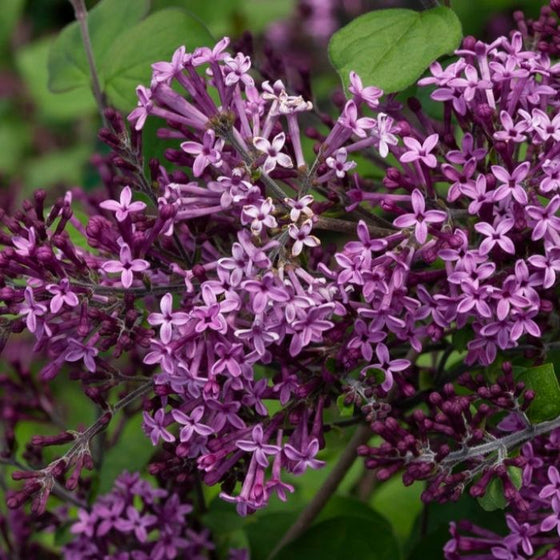


Images Depict Mature Plants
Bloomerang® Dark Purple Lilac
Syringa 'SMSJBP7' PP26549
Bloomerang® Dark Purple is one of those shrubs that really earns its keep because it does more than people expect from a lilac. I like it because the fragrance is strong, the spring color is rich and classic, and then the plant comes back with more flowers later in the season. It is also nice to know it offers deer resistance along with all that bloom power.

15% OFF WITH CODE PLANTING15
Save 15% Off Your Entire Order! Limited time.
📦 Free shipping on orders over $99.
Delay shipping by leaving us a message at Checkout.
Share:


Fragrant Purple Blooms That Return Again and Again
A Lilac That Gives You More Than One Season of Flowers
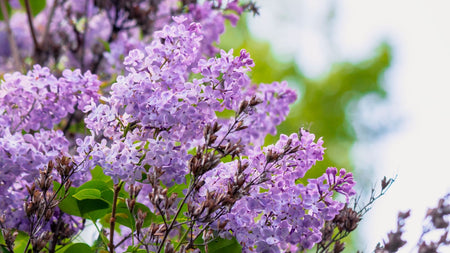
Bloomerang® Dark Purple Lilac is a standout choice for homeowners who love lilacs but want more than a short spring show. In mid to late spring, very large dark purple buds open into richly colored purple-lilac flowers that perfume the air with that classic lilac fragrance people wait all year for. After the first main bloom, the plant takes a short rest, puts on fresh growth, and then begins flowering again from mid to late summer into fall.
That reblooming habit is one of the biggest reasons this lilac is so exciting. Instead of peaking once and fading into the background, it keeps bringing fragrance and color back into the landscape long after traditional lilacs are finished.
Rich Purple Color and Big Fragrance in a Manageable Shrub
One of the strongest reasons to plant Bloomerang® Dark Purple Lilac is the combination of color and scent. The buds are dark and dramatic, and the open flowers bring that classic lilac look in a deeper, richer purple tone. The fragrance is strong and familiar, making it a very rewarding shrub for patios, walkways, entry gardens, and borders where people will pass close by.
Because the plant stays in a neat, rounded form, it is also easier to place than many older lilacs. It gives homeowners the beauty and perfume of a classic lilac without needing the same oversized footprint.
A Compact Lilac for Smaller Landscapes and Sunny Beds
Bloomerang® Dark Purple Lilac is especially useful because it fits comfortably into smaller residential landscapes. It works beautifully in foundation beds, mixed borders, cottage-style gardens, and sunny focal-point spaces where a larger lilac might feel too big or too open. Its rounded habit makes it look tidy and intentional without much shaping.
That size also makes it a strong fit for homeowners who want a fragrant flowering shrub in a more polished landscape design. It has enough presence to stand out on its own, but it also combines well with evergreens, perennials, and other flowering shrubs.
A Great Choice for Fragrance Gardens and Pollinator-Friendly Spaces
This lilac is especially effective near patios, seating areas, and entry paths where the fragrance can be appreciated. It also works beautifully in pollinator-friendly plantings, where the flowers add seasonal value and help the garden feel lively and full of movement.
Because it blooms in spring and then again later in the season, it gives a planting more continuity. That makes it especially useful in landscapes where homeowners want shrubs that keep delivering beauty beyond one brief window.
Deer Resistance and Easy-Care Performance Add Practical Value
Bloomerang® Dark Purple Lilac performs best in full sun and well-drained soil, where it can flower most heavily and maintain a strong, healthy habit. Once established, it is relatively easy to care for and is also generally considered deer-resistant, which adds practical value in landscapes where browsing pressure can be a concern.
For homeowners who want a fragrant reblooming lilac with rich purple flowers, a manageable size, and deer resistance, Bloomerang® Dark Purple Lilac is one of the best choices available.
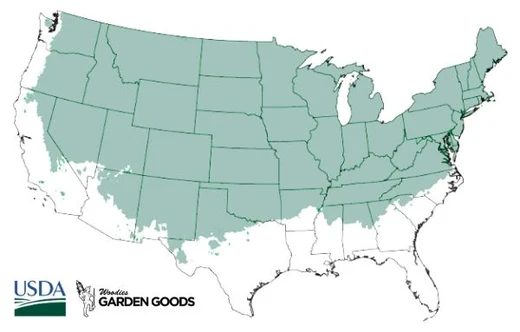
| Hardiness Zone: | 3-7 |
|---|---|
| Mature Height: | 4 to 6 Feet |
| Mature Width: | 4 to 6 Feet |
| Sunlight: | Full sun |
| Bloom Time / Color | Mid to late spring, then again from mid to late summer into fall; deep purple-lilac flowers |
| Soil Condition: | Any well drained soil |
| Water Requirements: | Water well until established; average moisture once established |
| Ornamental Features | Large dark purple buds, fragrant blooms, reblooming habit, rounded form |
| Wildlife Value | Pollinator-friendly blooms |
| Resistance (deer/disease/drought/etc.) | Deer resistant, disease resistant, low maintenance |
| Landscape Uses | Foundation planting, mixed border, cottage garden, fragrance garden, specimen shrub |
How to Care for Bloomerang® Dark Purple Lilac
Be sure to read our planting instructions to ensure a healthy and happy Bloomerang Dark Purple Lilac plant for years to come!

How should I plant Bloomerang® Dark Purple Lilac?
Plant Bloomerang® Dark Purple Lilac in full sun in well-drained soil where it has room to develop its rounded shape. Dig a hole two to three times as wide as the root ball but no deeper than the root ball itself, and set the shrub so the top of the root ball sits level with or slightly above the surrounding soil. Water thoroughly after planting and mulch lightly around the base to help conserve moisture during establishment. This lilac works especially well in sunny foundation beds, mixed borders, fragrance gardens, and smaller focal-point plantings. It looks best where the flowers and fragrance can be enjoyed up close and where the shrub has enough light to rebloom well.

How often should I water Bloomerang® Dark Purple Lilac after planting?
Water deeply right after planting and keep the soil evenly moist while the shrub establishes. Deep watering is more effective than frequent shallow watering because it encourages stronger root development and helps the plant settle in more successfully during its first growing season. Once established, Bloomerang® Dark Purple Lilac is fairly adaptable, but it still performs best with occasional deep watering during prolonged dry periods. Good drainage is important, and the soil should not stay constantly soggy.

When should I fertilize Bloomerang® Dark Purple Lilac?
Bloomerang® Dark Purple Lilac usually does not need heavy feeding. A light application of balanced slow-release fertilizer in spring is usually enough if the shrub appears to need support. In many gardens, strong sunlight and proper drainage are more important than frequent fertilization. Too much fertilizer can encourage leafy growth at the expense of flowering. A moderate approach is generally best for supporting both spring bloom and later rebloom.

When and how should I prune Bloomerang® Dark Purple Lilac?
Bloomerang® Dark Purple Lilac usually needs only light pruning. If shaping is needed, prune right after the main spring bloom so the plant has time to put on new growth for later flowers. It is not necessary to deadhead in order to get rebloom, but light trimming after flowering can help encourage fresh growth and an even stronger repeat display. In most cases, a simple cleanup and light shaping are all it needs.