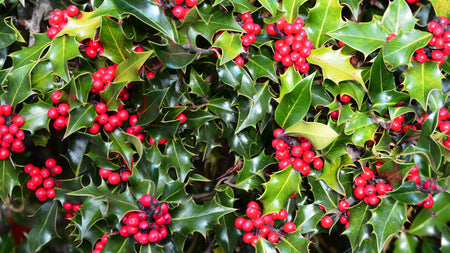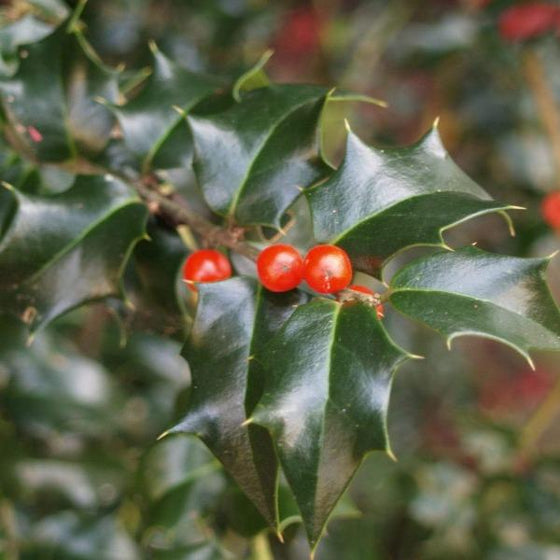


Images Depict Mature Plants
Dragon Lady Holly
Ilex x aquipernyi "Meschick"
Dragon Lady Holly is a great plant when you need privacy or evergreen height but do not have room for something broad and heavy. The narrow shape makes it special, but the glossy foliage and bright berries give it real personality. For tight spaces, side-yard screening, or any landscape that needs a tall vertical evergreen with more style than a basic hedge, this is a really smart pick.

15% OFF WITH CODE PLANTING15
Save 15% Off Your Entire Order! Limited time.
📦 Free shipping on orders over $99.
Delay shipping by leaving us a message at Checkout.
Share:

A Narrow Holly with Big Privacy and Winter Appeal
A Tall, Slim Holly for Tight Spaces
Dragon Lady Holly is one of the best evergreen choices for homeowners who need height without giving up much width. Its very narrow, upright pyramidal habit makes it especially useful in side yards, along fences, beside driveways, and in other tighter planting zones where broader screening plants would simply take up too much room.
This holly solves practical landscape problems beautifully. It adds structure, privacy, and year-round greenery in a form that feels elegant and intentional rather than bulky or overgrown.
Glossy Foliage and Bright Red Berries
The foliage of Dragon Lady Holly is deep green, glossy, and strongly spiny, giving it the classic holly look that stays handsome in every season. That rich evergreen texture helps the plant hold its own visually, whether it is used alone or planted in rows with other screening plants.
As a female cultivar, Dragon Lady Holly can also produce bright red berries that add strong fall and winter color when pollination is present. Those berries create a vivid contrast against the dark foliage and give the plant a more decorative, festive quality long after the growing season has faded.
Excellent for Vertical Privacy and Narrow Hedges
Dragon Lady Holly is especially effective when planted where a tall, narrow screen is needed. Its symmetrical shape and dense branching make it a strong option for privacy rows, living fences, narrow evergreen hedges, and wind-filtering plantings that need to look structured and refined.
That narrow habit is one of its biggest selling points. Homeowners get meaningful evergreen coverage without sacrificing too much planting space, which makes it far more versatile in smaller residential landscapes than many wider hollies or conifers.
A Strong Fit for Formal and Traditional Landscapes
Because of its upright form and polished appearance, Dragon Lady Holly works beautifully in both more formal landscape designs and traditional home plantings. It can frame an entry, soften a corner, line a walk, or serve as a vertical accent in foundation beds wherever height is needed without too much spread.
It also pairs well with broader shrubs and lower perennials, as its narrow shape adds contrast and rhythm to the planting. This gives homeowners a plant that functions as both a screening solution and a true design element.
Deer Resistant, Durable, and Worth Planning Around
Dragon Lady Holly is generally considered deer-resistant and is a durable evergreen once established in the right site. It performs best in full sun to part shade and in well-drained soil, where it can maintain dense growth and strong foliage color over time.
Because it is a female holly, berry production is best when a compatible male pollinator is nearby. For homeowners who want the full winter berry effect, this is worth planning for. The reward is a narrow evergreen with real personality, practical privacy value, and standout seasonal color.

| Hardiness Zone: | 6-8 |
|---|---|
| Mature Height: | 10 to 20 feet |
| Mature Width: | 4 to 6 feet |
| Sunlight: | Full Sun to part shade |
| Soil: | Well-drained soil; slightly acidic preferred |
| Water | Moderate; water regularly during establishment |
| Bloom Time / Color | Spring; small inconspicuous white flowers |
| Ornamental Features | Glossy dark green spined foliage, very narrow pyramidal habit, bright red berries on female plants with pollination |
| Wildlife Value | Provides cover for birds; berries add winter habitat value |
| Resistance (deer/disease/drought/etc.) | Deer resistant; tolerant once established in well-drained soil |
| Landscape Uses | Narrow privacy screen, hedge, vertical accent, entry framing, tight-space evergreen planting |
How to Care for Dragon Lady Holly
Be sure to read about the recommended care instructions to keep your Dragon Lady Holly happy and Healthy for Many Years

How should I plant Dragon Lady Holly?
Plant Dragon Lady Holly in a location with full sun to part shade and well-drained soil. Dig a hole about twice as wide as the root ball and no deeper than the root ball itself, then place the plant so the top of the root ball sits level with the surrounding soil. This helps the roots establish properly and avoids issues that can come from planting too deep. Backfill with native soil, water thoroughly, and apply mulch around the root zone to help conserve moisture and reduce weed competition. Keep mulch a few inches away from the stems. If planting multiple Dragon Lady Hollies for a screen or hedge, space them with mature width in mind so they can fill in while maintaining airflow and a clean upright form.

How often should I water Dragon Lady Holly after planting?
Water Dragon Lady Holly deeply right after planting, then continue watering regularly during the first growing season while the plant establishes. In most landscapes, that means a deep soaking once or twice per week, depending on rainfall, heat, and soil drainage. The goal is evenly moist soil, not soggy conditions. Once established, Dragon Lady Holly becomes easier to manage and usually needs supplemental watering only during extended dry periods. Deep watering is much better than frequent shallow watering because it encourages a stronger root system and better long-term performance.

When should I fertilize Dragon Lady Holly?
Fertilize Dragon Lady Holly in early spring if needed, especially if growth seems thin or the soil is lean. A balanced slow-release fertilizer for hollies or other acid-loving evergreens is usually sufficient, and compost can also be used to gently improve soil structure and overall root-zone health. Avoid overfeeding with rich fertilizers, especially during hot weather or when the plant is under stress. In many cases, good drainage, proper light, and steady watering during establishment are more important than heavy feeding. The goal is dense, healthy growth and strong evergreen color.

When and how should I prune Dragon Lady Holly?
Dragon Lady Holly usually needs only light pruning to maintain its naturally narrow, symmetrical form. Late winter or early spring is the best time to remove dead, damaged, or awkward branches and lightly refine the shape before new growth begins. If you are using it as a screen or formal planting, selective pruning is better than aggressive shearing. That keeps the plant dense and attractive while preserving the very narrow pyramidal habit that makes Dragon Lady Holly so valuable in tighter landscape spaces.