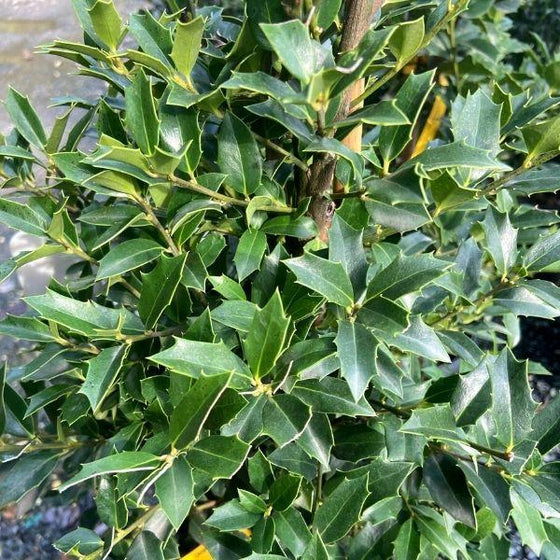
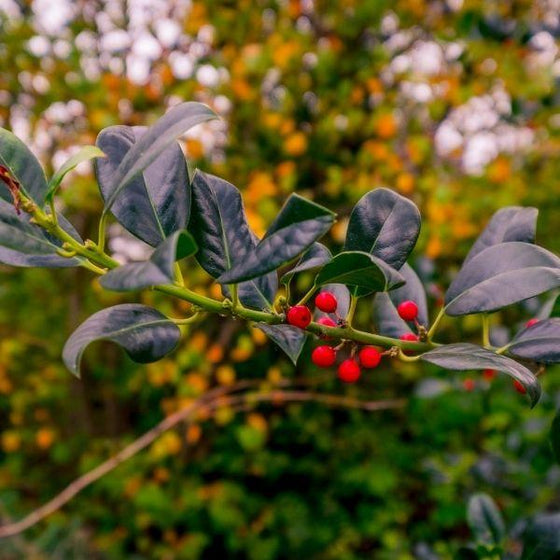


Images Depict Mature Plants
Christmas Jewel® Holly
Ilex x 'HL 10-90' PP# 14477
Christmas Jewel® Holly is a really smart choice when you want the look and berry appeal of a classic holly, but in a size that is easier to fit into the average landscape. The glossy evergreen foliage looks good all year, the bright red berries give it real winter personality, and the self-fruitful habit makes it especially easy for homeowners to enjoy the full ornamental effect. It is one of those plants that delivers a lot of value without making the garden feel crowded.

15% OFF WITH CODE PLANTING15
Save 15% Off Your Entire Order! Limited time.
📦 Free shipping on orders over $99.
Delay shipping by leaving us a message at Checkout.
Share:

A Compact Holly with Bright Winter Berry Appeal
A Smaller Holly with Big Seasonal Impact
Christmas Jewel® Holly is an exceptional choice for homeowners who want the classic look of a holly without committing to a much larger evergreen. Its compact, dense form makes it especially useful in smaller gardens, foundation plantings, and mixed borders where space matters but year-round structure is still important.
This plant feels refined and practical at the same time. It offers the polished evergreen presence people want from a holly, but in a size that fits more easily into everyday residential landscapes.
Glossy Foliage and Prolific Red Berries
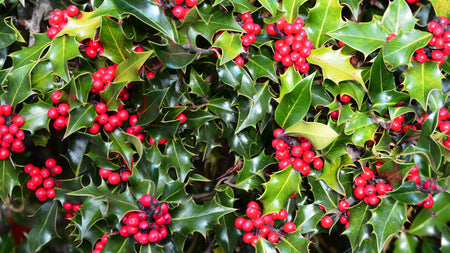
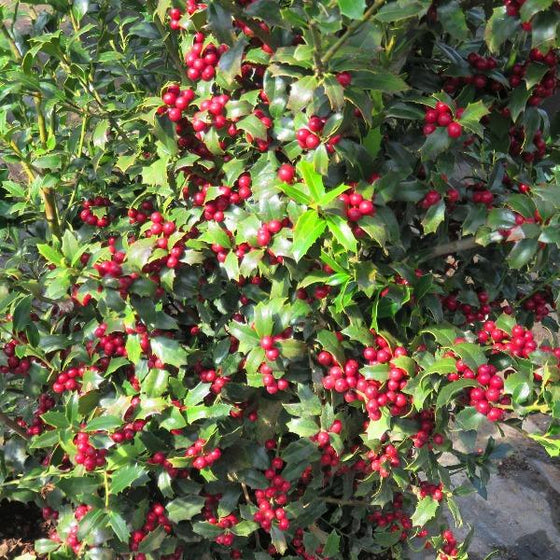
One of the biggest reasons to plant Christmas Jewel® Holly is the berry display. The glossy, dark green foliage creates a rich evergreen backdrop for the bright red berries, which begin to appear in fall and persist into winter, creating a festive, high-contrast look.
That combination gives the plant real four-season usefulness. Even when flowering shrubs and perennials have faded, Christmas Jewel® Holly continues to bring color, texture, and strong visual interest to the landscape.
A Natural Fit for Foundations, Hedges, and Focal Points
Because of its upright pyramidal habit and relatively compact mature size, Christmas Jewel® Holly is especially effective near entryways, along foundations, and in small privacy hedges. It can also serve as a focal point in mixed evergreen beds where its berries and tidy form can be appreciated up close.
Its shape makes it easy to use in both traditional and more updated landscape styles. It brings enough structure to anchor a planting, but it never feels heavy or overly bulky in the garden.
Easy Berry Production Without Extra Complexity
Another major advantage of Christmas Jewel® Holly is that it is self-fruitful, which means homeowners can enjoy bright berry production without having to plant a separate male holly nearby. That makes it especially convenient for smaller spaces and simpler landscape plans where every plant needs to carry its own weight.
This trait makes the plant feel even more user-friendly. Gardeners get the holiday appeal and winter berry display they want without the added planning required by many other hollies.
Deer Resistant, Tidy, and Easy to Maintain
Christmas Jewel® Holly is generally considered deer-resistant and is known for maintaining a naturally neat shape with minimal pruning. It performs best in full sun to part shade and adapts well to a range of well-drained soils, making it a dependable option for many residential landscapes.
For homeowners who want a compact evergreen with classic holly character, bright winter berries, and lower-maintenance appeal, this is an easy recommendation. It delivers year-round greenery, seasonal color, and strong landscape flexibility in one clean, useful plant.
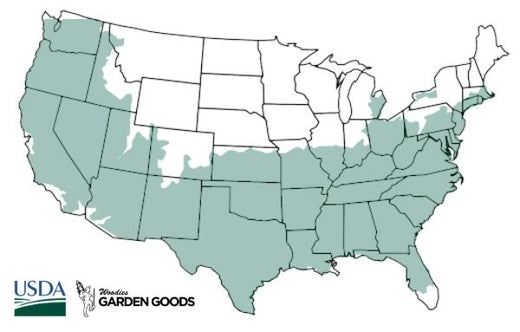
| Hardiness Zone: | 6-9 |
|---|---|
| Mature Height: | 8 to 10 feet |
| Mature Width: | 4 to 5 feet |
| Sunlight: | Full sun to part shade |
| Soil Conditions: | Well-drained soil; slightly acidic preferred |
| Water | Moderate; water regularly during establishment |
| Bloom Time / Color | Spring; small inconspicuous white flowers |
| Ornamental Features | Glossy dark green foliage, upright pyramidal habit, prolific bright red berries |
| Wildlife Value | Provides cover for birds; berries offer winter food value |
| Resistance (deer/disease/drought/etc.) | Deer resistant; tolerant of brief drought once established |
| Landscape Uses | Foundation planting, small hedge, privacy screen, focal point, mixed border, evergreen accent |
How to Care for Christmas Jewel® Holly
Be sure to read about the recommended care instructions to keep your Christmas Jewel Holly happy and Healthy for Many Years

How should I plant Christmas Jewel® Holly?
Plant Christmas Jewel® Holly in a location with full sun to part shade and well-drained soil. Dig a hole about twice as wide as the root ball and no deeper than the root ball itself, then set the plant so the top of the root ball is level with or slightly above the surrounding soil. This helps encourage healthy root establishment and avoids issues from planting too deeply. Backfill with native soil, water thoroughly, and mulch around the root zone to help conserve moisture and reduce weed competition. Keep mulch a few inches away from the trunk or stems. If planting more than one for a hedge or screen, space the plants according to their mature spread so they can fill in naturally without becoming crowded.

How often should I water Christmas Jewel® Holly after planting?
Water Christmas Jewel® Holly deeply right after planting, then continue watering regularly during the first growing season while the roots establish. In most landscapes, that means a deep soaking once or twice per week, depending on heat, rainfall, and soil drainage. The goal is to keep the root zone evenly moist without becoming waterlogged. Once established, this holly can handle short dry periods better and usually needs supplemental watering only during extended hot or dry weather. Deep watering is always better than frequent shallow watering because it encourages stronger roots and better long-term performance.

When should I fertilize Christmas Jewel® Holly?
Fertilize Christmas Jewel® Holly in early spring with a slow-release fertilizer formulated for hollies or other acid-loving evergreens if needed. A light application of compost can also help improve soil structure and support steady growth without pushing overly soft new growth. Avoid overfeeding, especially during periods of heat stress. In most residential landscapes, proper drainage, a good planting site, and consistent watering during establishment are more important than heavy fertilization. The goal is healthy, steady growth and good berry production.

When and how should I prune Christmas Jewel® Holly?
Christmas Jewel® Holly needs very little pruning to keep its naturally tidy shape. If pruning is needed, late winter or early spring is usually the best time to remove dead, damaged, or awkward branches and lightly refine the outline before new growth begins. Because this holly is naturally compact and dense, light selective pruning is usually all that is required. Avoid aggressive shearing unless a more formal hedge is desired, since the plant already maintains an attractive upright pyramidal habit with minimal intervention.