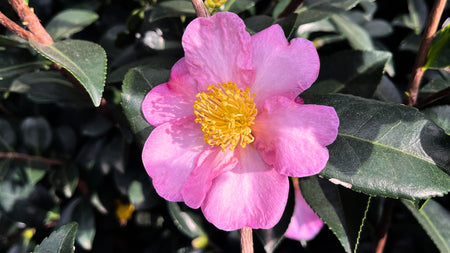
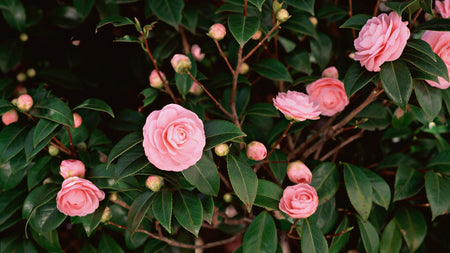
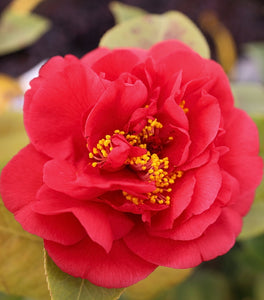
Images Depict Mature Plants
Setsugekka Camellia
Camellia sasanqua 'Setsugekka'
Setsugekka is my pick for anyone who wants a camellia that earns its space—glossy evergreen structure all year, then fragrant white blooms in fall into early winter when the garden needs a little magic. Give it well-drained soil, keep it evenly moist while it’s establishing, and tuck it into bright part shade, and it becomes a hedge-worthy showpiece that looks classy in every season.

20% Off Sitewide Sale!
Use Code 'ENDOFSEASON20' At Checkout
📦 Free shipping on orders over $99.
Delay shipping by leaving us a message at Checkout.
Share:Recommended Add-Ons


Setsugekka Camellia For Fragrant White Fall Blooms, Glossy Evergreen Structure, And A Stunning Flowering Hedge
Fragrant White Blooms That Make Fall Feel Like A Garden Encore
Setsugekka Camellia is the definition of “timed perfectly.” Just when summer flowers fade, and the garden starts to settle down, this Camellia sasanqua steps in with large, sparkling white, semi-double blooms. The petals have a softly ruffled look, and the bright golden stamens in the center give each flower a warm glow. Even better, Setsugekka is known for fragrance—so the bloom season doesn’t just look beautiful, it feels inviting when you walk by.
Bloom time typically runs from fall into early winter, which makes Setsugekka one of the most valuable flowering shrubs for extending seasonal color. Plant it near your front walk, entry, or patio—anywhere you’ll actually notice the flowers during cooler weather. Against its deep green, glossy foliage, the white blooms read crisp and elegant from the street, while the fragrance makes it a favorite up close.
Glossy Evergreen Foliage That Keeps Beds Looking Finished Year-Round
Even outside bloom season, Setsugekka pulls its weight as a broadleaf evergreen with dense branching and lustrous dark green leaves. That year-round structure is what makes sasanqua camellias such powerful landscape plants: they anchor foundation beds, add depth to mixed borders, and create a refined backdrop for perennials and seasonal color. When other shrubs go bare, Setsugekka keeps the landscape looking intentional.
This evergreen presence also makes Setsugekka a strong design tool. Use it to frame corners of a house, repeat it along a walkway for rhythm, or tuck it into a woodland-edge planting where the glossy foliage contrasts beautifully with ferns and shade perennials. It’s a shrub that makes your beds look “done” in every season—then rewards you with a fall flower show that feels like a bonus.
A Naturally Dense Habit That Works Beautifully As A Hedge Or Screen
Setsugekka is a standout hedge camellia because it offers the rare combo of evergreen coverage and a meaningful bloom season. Its habit is densely branched and full, giving you a rich green screen that looks good all year—then, in fall, the hedge suddenly turns into a line of white blooms with golden centers. It’s a high-end look that feels softer and more garden-forward than many typical screening evergreens.
Used as a hedge, Setsugekka creates privacy without looking harsh, and it’s easy to keep attractive with light, well-timed pruning. It also works as a specimen shrub when you want a single focal point with winter interest. Because the leaves are thick and leathery, it’s generally considered deer resistant (not deer-proof), which helps in many landscapes where browsing pressure is a constant concern.
Straightforward Success With Well-Drained Soil, Mulch, And Consistent Watering
Setsugekka is not fussy when the basics are right: give it well-drained soil, steady moisture while it establishes, and light that protects it from stress. Sasanqua camellias can handle more sun than many camellias, but the sweet spot is often bright part sun to part shade—especially morning sun with softer afternoon light. That balance supports clean foliage and helps flowers hold their beauty longer.
Soil drainage is the make-or-break detail. Aim for any well-drained soil and enrich with organic matter so moisture stays even but never soggy. Mulch 2–3 inches over the root zone to buffer temperature swings and reduce drying, keeping mulch a few inches off the trunk. Water consistently during the first growing season, then shift to deep watering during extended dry spells to keep the root system healthy and bloom-ready.
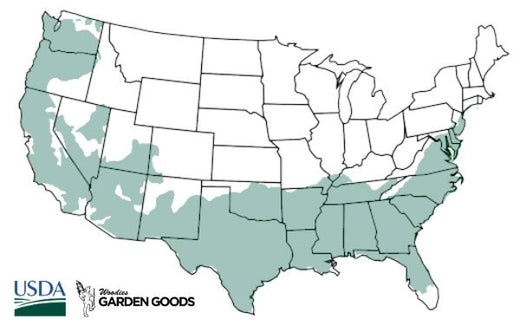
| Hardiness Zone: | 7-9 |
|---|---|
| Mature Height: | 8 to 10 Feet |
| Mature Width: | 6 to 8 Feet |
| Sunlight: | Part sun to part shade |
| Bloom Time / Color: | Fall to early winter; white, semi-double blooms (often fragrant) |
| Soil Condition: | Any well-drained soil (prefers slightly acidic, organic-rich) |
| Water Requirements: | Water until well established |
| Wildlife Value: | Pollinator interest when in bloom |
| Resistance (deer/disease/drought/etc.): | Deer resistant (not deer-proof) |
| Landscape Uses: | Hedge/screen, foundation plantings, mixed borders, woodland edges, specimen focal point, espalier |
How to Care for Setsugekka Camellia
Be sure to read our planting instructions to ensure a healthy and happy Camellia Setsugekka for years to come!

How should I plant Setsugekka Camellia?
Plant Setsugekka Camellia in a spot with well-drained soil and bright part sun to part shade, ideally with protection from intense afternoon sun and drying winter winds. Dig a hole about twice as wide as the root ball and no deeper, then set the plant so the top of the root ball is level with (or slightly above) the surrounding soil. Backfill, firm gently, and water deeply to settle the soil around the roots. Finish with a 2–3-inch mulch layer over the root zone to stabilize moisture and temperature, keeping the mulch a few inches away from the trunk. If your soil is heavy, improve drainage with organic matter and avoid low spots where water collects. Good drainage and consistent moisture during establishment are the fastest paths to a dense evergreen shrub and reliable blooms.

How often should I water Setsugekka Camellia after planting?
Water thoroughly right after planting, then water deeply once or twice per week during the first growing season, adjusting for rainfall and heat. The goal is evenly moist soil—not soggy soil—so roots expand beyond the original root ball. A slow soak at the base (drip or soaker hose style) helps water reach deeper roots and reduces stress. After the first year, water during extended dry spells rather than on a strict calendar. Check soil a few inches down; if it feels dry, water deeply. Consistent moisture in late summer and fall can also support stronger bud development for the next bloom season.

When should I fertilize Setsugekka Camellia?
Fertilize in early spring before new growth begins, using a slow-release fertilizer made for camellias or other acid-loving shrubs. Apply around the drip line (not against the trunk) so nutrients reach the active roots, then water in well to move fertilizer into the root zone. If you prefer a gentler approach, top-dress with compost in spring and refresh mulch to improve soil structure over time. Avoid heavy feeding late in the season, and don’t over-fertilize—too much nitrogen can push leafy growth at the expense of flowers.

When and how should I prune Setsugekka Camellia?
Prune Setsugekka Camellia right after it finishes blooming. This timing helps you shape the shrub without cutting off next year’s buds, which form later on older growth. Start by removing dead, damaged, or crossing branches, then thin lightly to improve airflow and reduce crowding inside the plant. Use selective cuts rather than hard shearing to maintain a natural, refined form and protect flowering potential. If you’re growing it as a hedge, do one thoughtful trim after bloom, then stop—late-season pruning can remove developing buds and reduce next year’s flower display.