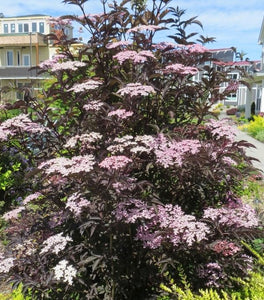
Images Depict Mature Plants
Adams Elderberry
Sambucus canadensis 'Adams'
Adams Elderberry is a plant I’d reach for when I want a shrub to pull double duty in the landscape. It gives you native character, beautiful white flower clusters, dark edible berries, and the kind of vigorous growth that helps a garden feel full and generous in a hurry. I especially like it in edible borders and wildlife plantings, where every shrub should bring more than one benefit. When paired with another elderberry for pollination, it becomes an even better choice for homeowners who want a strong harvest and a more useful landscape.
📦 Free shipping on orders over $99.
Delay shipping by leaving us a message at Checkout.
Share:

Edible Native Elderberry Shrub with Vigorous Growth and Heavy Berry Potential
A Native Fruiting Shrub That Earns Its Space
Adams Elderberry is an excellent choice for homeowners who want a native shrub that offers more than just ornamental value. This vigorous American elderberry brings large white flower clusters, productive dark berries, and a generous natural habit that makes it useful in edible landscapes, wildlife gardens, and informal borders. For gardeners who want to harvest fruit for syrup, jelly, juice, or wine, Adams delivers the kind of practical return that makes a planting feel purposeful.
It also brings a strong visual presence to the landscape. The lush green foliage gives the plant a full, substantial look through the growing season, while the airy flower clusters brighten the shrub in late spring to early summer. Later, the dark berries create another ornamental moment before harvest, adding contrast and seasonal richness to the garden. That sequence of foliage, bloom, and fruit makes Adams Elderberry feel like a shrub with real rhythm rather than a plant that only matters at one moment of the year.
Its native character is another major advantage. Adams Elderberry feels at home in naturalized plantings, rain-friendly borders, wildlife gardens, and mixed native shrub beds. It brings a looser, softer habit that works beautifully where a garden needs to feel abundant rather than rigid. For homeowners who want beauty, function, and ecological value from the same plant, this is an especially rewarding shrub to grow.
Because it serves so many roles at once, Adams Elderberry is one of those plants that can anchor a larger garden idea. It can help define an edible border, support wildlife, and produce a useful crop while still contributing attractive seasonal interest to the overall landscape.
Big Clusters of Berries with Real Harvest Potential
One of the main reasons gardeners plant Adams Elderberry is for the fruit. This cultivar is known for its strong berry production, with generous clusters of dark purple-black elderberries that ripen in late summer. For homeowners interested in homegrown ingredients for syrups, jellies, juices, and other kitchen projects, Adams is the kind of elderberry that feels genuinely productive rather than merely ornamental.
Before the fruit arrives, the plant offers a strong flower display that adds to its garden value. Large flat-topped clusters of white blossoms appear in late spring to early summer, softening the plant and helping it read as more than just a utility shrub. Those flowers also support pollinators, giving the plant a useful ecological role before the fruiting season even begins. For gardeners trying to build a landscape that works harder across the season, that is a meaningful advantage.
As the berries begin to color and ripen, Adams Elderberry becomes even more visually interesting. The dark fruit contrasts beautifully with the green foliage, giving the shrub a richer late-season look. That makes it easy to tuck into edible landscapes without feeling as though the garden has sacrificed beauty for productivity. It still reads as an attractive landscape plant while delivering a real harvest.
This is also a good choice for homeowners who want a shrub that serves multiple purposes. It provides flowers, fruit, habitat value, and a lush summer presence, all from one planting. That kind of layered benefit is exactly what makes elderberry such a smart addition to a more purposeful garden.
A Strong Fit for Edible Borders, Wildlife Gardens, and Informal Screening
Adams Elderberry fits best in landscapes where a more natural, generous habit is welcome. Its upright to arching growth makes it ideal for edible hedgerows, native borders, wildlife gardens, and the back of mixed shrub beds where it can provide height, softness, and seasonal function. It is not a tight formal shrub, and that is part of its appeal. It brings a sense of abundance that works beautifully in relaxed, productive plantings.
Its mature size gives it real presence in the garden. Adams Elderberry typically reaches around 6 to 10 feet tall and 6 to 8 feet wide, which makes it substantial enough to serve as a backdrop, a loose screen, or a productive anchor shrub. That scale is especially useful in larger residential landscapes where a smaller berry bush would disappear too easily. It can also help define a garden edge or soften a fence line while still providing flowers and harvestable fruit.
This cultivar is also a smart fit for wildlife-minded gardeners. The blooms attract pollinators, the berries feed birds, and the dense seasonal growth contributes habitat value in layered plantings. For homeowners who want their landscape to feel alive and active rather than purely decorative, Adams Elderberry offers a lot.
Because it is a native American elderberry selection, it blends especially well into regional and naturalistic designs. It can be used in cottage-style plantings, native borders, edible landscapes, and rain-tolerant areas where homeowners want a plant that feels useful, generous, and ecologically appropriate all at once.
Productive Performance Starts with Good Pollination and Simple Care
One of the most important things to know about Adams Elderberry is that it performs best when planted with another elderberry variety. While it may set some fruit on its own, cross-pollination typically leads to heavier berry production and a more satisfying harvest. That makes planting a second compatible elderberry, such as John's Elderberry, nearby one of the smartest choices a homeowner can make when the goal is strong fruit yield.
In terms of care, Adams Elderberry is straightforward and forgiving. It grows best in full sun to part shade and prefers moist, fertile, well-drained soil, though it is more tolerant of damp conditions than many fruiting shrubs. During establishment, regular watering is important, especially in warmer weather. Once rooted in, the plant becomes vigorous and dependable, needing only seasonal watering during drought and basic feeding to stay productive.
Pruning is also simple and practical. Elderberries benefit from renewal-style pruning that removes older canes and encourages fresh, vigorous growth. That helps keep the shrub manageable while supporting strong flowering and fruiting year after year. For homeowners, that means the plant can be refreshed rather than fought, which makes long-term care much easier.
For anyone looking for a native fruiting shrub with strong harvest potential, pollinator value, and broad landscape usefulness, Adams Elderberry is an excellent choice. It brings productivity and seasonal interest together in a way that feels generous, useful, and rewarding in the home garden.
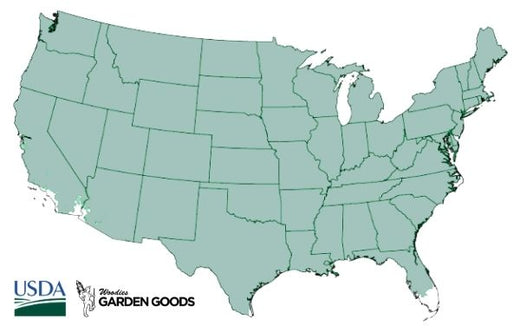
| Growth Zone: | 3-9 |
|---|---|
| Mature Height: | 6 to 10 feet |
| Mature Width: | 6 to 8 feet |
| Sunlight: | Full sun to part shade |
| Bloom Time / Color | Late spring to early summer; white flower clusters |
| Soil Condition: | Moist, fertile, well-drained soil; tolerates wetter conditions better than many fruiting shrubs |
| Water Require: | Moderate to regular; prefers even moisture, especially during establishment and fruit development |
| Wildlife Value | Supports pollinators, provides berries for birds, adds habitat value |
| Resistance (deer/disease/drought/etc.) | Vigorous, adaptable, relatively easy-care; fruiting improves with cross-pollination |
| Landscape Uses | Edible landscape, native border, wildlife garden, informal hedge, screening, rain gardens, naturalized planting |
How to Care for Adams Elderberry
Be sure to read our planting instructions to ensure a healthy and happy Adams Elderberry for years to come!
-v1773863515174.png?92x91)
How should I plant Adams Elderberry?
Plant Adams Elderberry in full sun to part shade in fertile, moisture-retentive soil with good drainage. Dig a hole about twice as wide as the root ball and no deeper than the root ball itself, then set the plant so the top of the root ball sits level with or slightly above the surrounding soil. Backfill with native soil, water deeply, and apply mulch around the base to help conserve moisture and reduce weed competition. For better fruit production, plant Adams near another elderberry variety to improve cross-pollination and berry set, and overall yield.
-v1773863516284.png?89x84)
How often should I water Adams Elderberry after planting?
Water Adams Elderberry deeply right after planting, then keep the soil consistently moist during the first growing season. This shrub performs best when it does not dry out for long stretches, especially while roots are establishing and fruiting wood is developing. Once established, continue watering during extended dry periods, particularly in hot weather or lighter soils. Steady moisture supports better flowering, more even fruit development, and stronger overall growth than allowing the plant to go through repeated drought stress.
-v1773863517289.png?90x89)
When should I fertilize Adams Elderberry?
Fertilize Adams Elderberry in early spring as new growth begins. A balanced slow-release fertilizer, compost, or a feeding program suited to fruiting shrubs can help support vigorous growth, flower production, and berry development. Avoid excessive late-season fertilizing, because that can push tender new growth when the plant should be hardening off. In rich garden soil, a light annual feeding along with compost and mulch is often enough to keep elderberries growing well and producing strongly.

When and how should I prune Adams Elderberry?
Prune Adams Elderberry in late winter to early spring before strong new growth begins. Most pruning should focus on removing older, weak, or damaged canes and opening the shrub enough for better light and airflow. Renewal pruning works especially well on elderberries because it encourages fresh vigorous growth that supports better flowering and fruiting. A plant that is thinned and refreshed regularly is usually easier to harvest, easier to manage, and more productive over time.