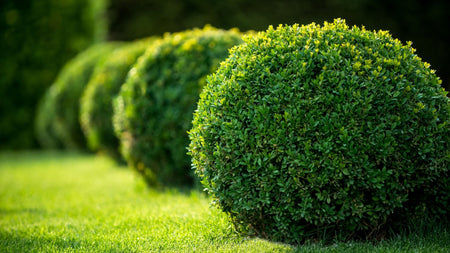
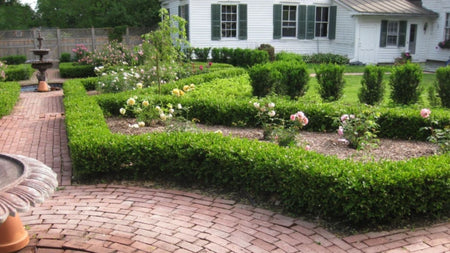
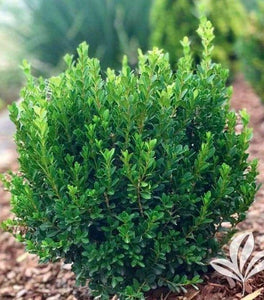
Images Depict Mature Plants
American Boxwood
Buxus sempervirens
American Boxwood is the kind of plant I recommend when you want your landscape to feel instantly more “established” and refined—clean evergreen lines, dense foliage, and that classic formal-garden look that never goes out of style. Give it good drainage, water it well the first season, then keep your trims light and timely, and it will reward you with decades of structure and curb appeal.

15% OFF SITEWIDE, USE CODE 'ENDOFSUMMER15'
📦 Free shipping on orders over $99.
Delay shipping by leaving us a message at Checkout.
Share:Recommended Add-Ons


American Boxwood Shrub For Classic Evergreen Hedges, Topiary, And Year-Round Structure
A True Classic For Formal Hedges And Timeless Curb Appeal
American Boxwood is the evergreen that instantly makes a landscape look established. Its dense, glossy foliage and naturally upright, rounded form create a structure that feels intentional in every season. Whether you’re framing a front entry, outlining a walkway, or building a traditional foundation bed, this boxwood brings clean lines and calm green color that never goes out of style. It’s the “bones” of the garden—reliable shape and color when everything else is blooming, fading, or sleeping.
It’s also wonderfully versatile in design. Plant a row for a formal hedge, space it as individual shrubs for sculpted green mounds, or shape it into spheres and geometric forms for a more architectural look. American Boxwood is especially loved for classic landscapes because it plays well with everything—hydrangeas, roses, perennials, and ornamental grasses—while keeping the whole composition looking polished and balanced.
Dense Growth That Shapes Beautifully For Hedges, Borders, And Topiary
If you want a hedge that looks full instead of fluffy, American Boxwood is a smart pick. Its branching habit is naturally dense, so it fills in evenly and holds shape well with light, consistent pruning. Mature plants can reach roughly 5–10 feet tall and 4–6 feet wide if left untrimmed, giving you flexibility to create anything from a medium privacy hedge to a taller evergreen backdrop in foundation plantings.
Because it responds well to pruning, you can keep it smaller and tighter for borders or maintain a taller, more substantial hedge for screening. The secret to that “high-end” boxwood look is gentle shaping at the right time—enough to encourage branching, not so much that you scalp the plant. With a steady growth rate, American Boxwood is easy to maintain and forgiving for gardeners who want clean lines without constant trimming.
Cold-Hardy And Deer Resistant For Real-World Gardens
American Boxwood is hardy in Zones 5–8 and adapts well to many landscapes, including areas with mixed light and typical garden soils. It’s also considered deer-resistant, which makes it a dependable choice when browsing pressure is part of your reality. While nothing is completely deer-proof, boxwood’s dense, aromatic foliage is generally less appealing than many broadleaf evergreens, helping your hedge and borders stay intact.
This toughness is exactly why American Boxwood has remained a mainstay for generations. It tolerates urban conditions, performs well in established landscapes, and can live for decades with simple care. If you want an evergreen that feels historic, dependable, and worthy of being a long-term “anchor” plant, American Boxwood is a wise investment.
Low-Maintenance Care That Keeps Foliage Healthy And Hedges Crisp
American Boxwood thrives when you focus on the basics: well-drained soil, steady moisture while establishing, and light pruning at the right time. “Water well until established” means deep watering that fully soaks the root zone, then allowing the soil surface to dry slightly between waterings so roots get both moisture and oxygen. A 2–3-inch mulch ring helps stabilize moisture and temperature and protects the base from mower and trimmer damage.
Pruning is simple when you keep it timely and modest. Light shaping in late spring to early summer, after new growth appears, helps maintain crisp lines and encourages denser branching. Avoid heavy pruning late in the season, which can push tender new growth at the wrong time. Follow this simple rhythm, and you’ll get that classic, refined boxwood look year after year—without turning maintenance into a weekly chore.
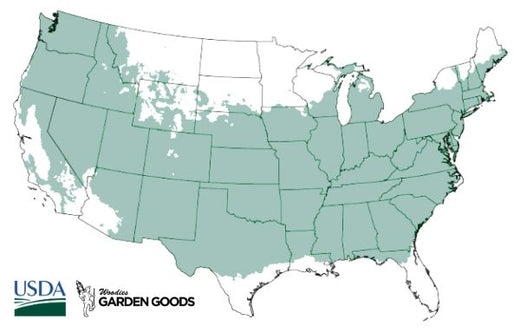
| Hardiness Zone: | 5-8 |
|---|---|
| Mature Height: | 5 to 10 Feet if untrimmed |
| Mature Width: | 4 to 6 Feet if untrimmed |
| Sunlight: | Full sun to part shade |
| Bloom Time / Color: | Spring; inconspicuous |
| Soil Condition: | Any well-drained soil |
| Water Requirements: | Water well until established; moderate once established |
| Wildlife Value: | Spring flowers may support early pollinators |
| Resistance (deer/disease/drought/etc.): | Deer resistant; Drought tolerant once established |
| Landscape Uses: | Hedges, borders, privacy screening, topiary, foundation plantings |
How to Care for American Boxwood
Be sure to read our planting instructions to ensure a healthy and happy American Boxwood plant for years to come!

How should I plant American Boxwood?
Plant American Boxwood in full sun to partial shade in well-draining soil after rain. Dig a hole about twice as wide as the root ball and no deeper, then set the shrub so the crown sits level with the surrounding soil. Backfill halfway, water thoroughly to settle, then finish backfilling and water again to fully hydrate the entire root zone. Add a 2–3-inch mulch layer over the root zone to retain moisture and reduce weeds, keeping the mulch a few inches away from the stems. For hedges, lay out your spacing first so the row fills evenly and each plant has enough airflow to stay healthy as it matures.

How often should I water American Boxwood after planting?
During the first year, water deeply 1–2 times per week, adjusting for rainfall, heat, and soil type. The goal is steady moisture around the root ball without soggy conditions, so water slowly and let the surface dry slightly between waterings. Deep watering encourages roots to grow outward into the surrounding soil. Once established, American Boxwood is moderately drought-tolerant but looks best with deep watering during extended dry spells. Avoid frequent light watering, which can keep roots shallow and stress plants during heat or winter winds.

When should I fertilize American Boxwood?
Fertilize in early spring as new growth begins, using a balanced, slow-release fertilizer for evergreen shrubs. Apply it around the root zone (not right against the stems) and water it in well so nutrients move into the soil where roots can access them. One spring feeding is typically enough for steady, healthy growth. If you want an even simpler long-term approach, add a light top-dressing of compost each year to support soil health. Avoid late-season fertilizing, which can push tender growth too late and increase cold-weather stress.

When and how should I prune American Boxwood?
Prune lightly in late spring to early summer after new growth appears, especially if you are maintaining a hedge or topiary form. Use clean, sharp shears and focus on small trims that tighten the outline and encourage branching. Keep cuts modest so you do not remove too much green growth at once. Avoid heavy pruning late in the season, and do not cut deeply into old wood where regrowth is slow. For hedges, keep the top slightly narrower than the bottom so sunlight reaches lower foliage and the hedge stays full from top to ground.