
White Flowering Hydrangea Shrubs for Elegant, Long-Lasting Blooms
Fresh white blooms for easy elegance from foundation beds to borders.
White hydrangeas are the definition of “instant polish”—big, bright blooms that make a landscape look intentional without fighting the colors you already have. This collection pulls together several hydrangea types that deliver white flowers in different shapes and seasons: cone-shaped panicles that thrive with more sun, classic smooth hydrangeas with bold, round clusters, and oakleaf varieties that bring standout fall foliage and winter texture, along with their creamy blooms. And here’s a detail shoppers love: many white-flowering hydrangeas stay white regardless of soil pH, so you can focus on placement and care instead of chasing color chemistry.
For the easiest success, start with the “right plant for the light.” Many hydrangeas prefer morning sun and afternoon shade, while panicle hydrangeas are the exception that often perform better with more sun and still flower reliably because they bloom on new growth. Pruning can be simple, too: new-wood bloomers (like panicle and smooth) handle late winter or early spring pruning well, while old-wood types (like oakleaf and wide bigleaf varieties) should be pruned right after flowering if you prune at all. That’s the We Grow Together Promise—clear guidance, confident timing, and plants that feel approachable from day one.
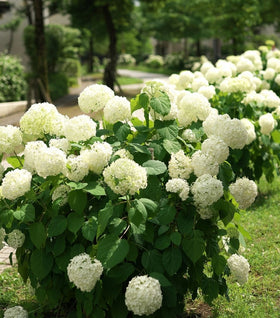
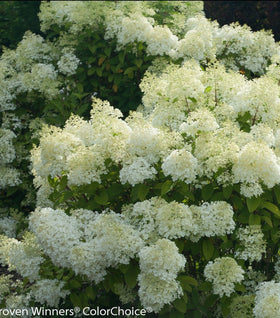
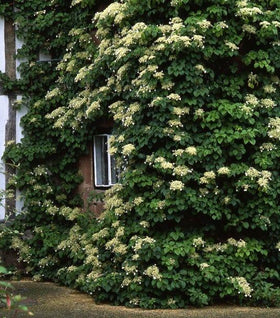
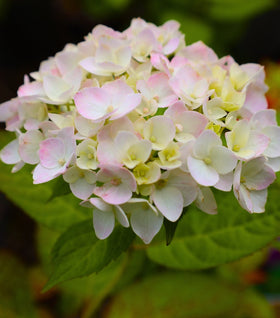
Endless Summer® Blushing Bride® Hydrangea
As Low As $58.95

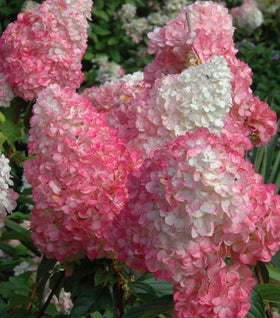
First Editions® Vanilla Strawberry™ Hydrangea
$99.95
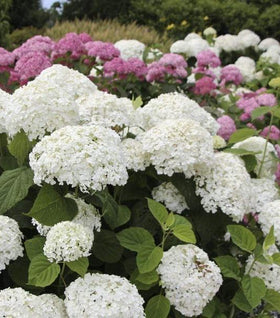

Incrediball® Storm Proof™ Hydrangea
$109.95

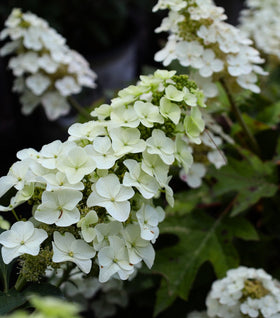

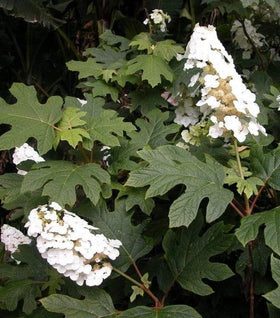
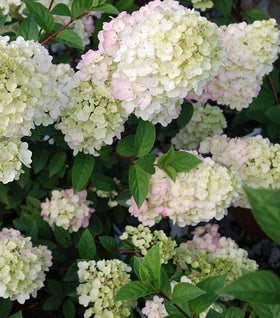
Strawberry Sundae® Hydrangea
As Low As $45.95
Create a bright, high-end look with white blooms.
White hydrangea shrubs are the easiest way to “lift” a planting bed—white reads as clean, calm, and expensive, especially when you repeat the same variety in a drift or anchor a foundation line with two or three shrubs. The bloom size does a lot of heavy lifting: even a small bed looks fuller when big flower clusters sit above a mound of healthy green foliage. And because white blends with everything, these shrubs slide right into existing landscapes without forcing you to redesign your entire color palette.
Versatility is the real win here. Panicle hydrangeas can take brighter exposures and still flower strongly, making them a go-to choice for sunnier front yards and open borders. Smooth hydrangeas are classic workhorses for mixed beds where you want a big white statement in summer, and oakleaf hydrangeas add a totally different kind of “wow” with bold leaf shape, great fall color, and attractive bark as the plant matures. The result is a collection that can fit small gardens, big landscapes, and everything in between.
These shrubs also shine in both in-ground and large-container designs—just match the container size to the mature plant and plan for consistent moisture. A potted white hydrangea near a patio can feel like outdoor décor that changes with the season, while in-ground plantings excel as foundation anchors, border rhythm plants, and soft “flowering structure” behind perennials. If your goal is curb appeal with minimal drama, white hydrangeas are one of the safest, strongest moves you can make.
Choose your bloom shape, then enjoy the season-long show.
White hydrangeas aren’t one look—they’re a whole wardrobe. Panicle hydrangeas bloom in elongated, cone-shaped clusters and often start creamy white (sometimes with a hint of green) before aging into blush or pink tones in late season, which adds a bonus layer of interest without looking messy. Smooth hydrangeas are known for big, rounded clusters that read like soft white clouds in the garden, while oakleaf hydrangeas carry large, showy panicles paired with unmistakable oak-shaped leaves.
Bloom windows also vary by type, which is great if you’re designing for a longer season. Oakleaf hydrangea typically blooms from mid-spring into early summer, panicle hydrangea is a summer-to-early-fall headliner in many climates, and smooth hydrangea generally brings strong summer bloom on fresh growth. Choosing a mix (or choosing the timing you prefer) lets you dial in exactly when you want that white-bloom moment to peak in your landscape.
Mature sizes vary widely, so you can pick what fits your space instead of constantly pruning. Some panicle hydrangeas can grow large, while many popular landscape selections are in the mid-size range; smooth hydrangeas are often in the compact-to-medium range; and oakleaf hydrangeas commonly mature as substantial shrubs with a broad, natural shape. The simple rule: plan for mature width now, and you’ll get better flowering, better airflow, and a shrub that looks “right” without wrestling it into place later.
Match the light, then plant for easy success.
Start with sun and shade, because that’s where hydrangeas either feel effortless or fussy. Many hydrangeas do best with morning sun and afternoon shade, especially in warmer regions, while panicle hydrangea is the exception that often performs better in full sun to part sun than other common hydrangea types. If your site is bright and open, lean into panicles; if it’s dappled or protected, smooth and oakleaf options can be a beautiful fit—just avoid deep shade if you want strong flowering.
Spacing is your built-in maintenance plan. A practical range across white hydrangea types is about 3–8 feet apart depending on the variety’s mature width (smaller selections on the tight end, larger panicles and oakleafs on the wider end). That breathing room improves airflow, helps foliage dry after rain or irrigation, and supports better long-term health—especially important in humid summers where leaf diseases can pop up when plants are crowded.
Placement ideas that pay off: use larger types as backdrop shrubs in mixed borders; line a foundation with mid-size selections for a clean, consistent look; tuck compact varieties near entries where you want flowers close to eye level; and place oakleaf hydrangeas where you can enjoy fall color and winter texture (bark + persistent dried blooms) for true four-season interest. If you’re planting for impact, massing two or three of the same variety usually looks more “designed” than one of everything.
Keep care simple, then let the shrubs do the work.
Planting success comes down to soil and moisture: aim for organically rich, well-drained soil that holds moisture without staying soggy, and mulch to protect roots and smooth out watering swings. Many hydrangeas appreciate consistent moisture during establishment, and that steadiness is what supports bigger blooms and less stress during hot stretches. If you have heavy clay, improving drainage and adding organic matter can make the difference between “survives” and “thrives.”
Pruning is easy when you know what blooms on new wood versus old wood. Panicle hydrangeas bloom on new growth and can be pruned in early spring without sacrificing flowers, and smooth hydrangeas are also new-wood bloomers that respond well to late winter/early spring pruning for shape and vigor. Oakleaf hydrangea blooms on old wood, so if it needs pruning, do it immediately after flowering—waiting too long risks removing next season’s flower buds.