
St. John's Wort Plants
Sunny yellow blooms and easy groundcover texture for low-maintenance landscapes.
St. John’s wort (Hypericum) is the kind of plant you use when you want the bed to look “finished” without signing up for a high-maintenance routine. In full sun to part shade, it delivers fresh green foliage and bright yellow summer flowers, often blooming through the heart of summer, making it a dependable choice for borders, slopes, and problem spots where you need coverage and color at the same time. Many types are tough on everyday sites, tolerate a range of soils as long as drainage is decent, and are often used both as a low shrub and as a groundcover-style planting, depending on the selection.
Here’s how you get the “pro look” with almost no effort: plant where it gets light, keep the soil from staying soggy, then prune with confidence at the right time. Many hypericums flower on new growth, so late winter to early spring pruning is a smart reset that keeps plants compact and bloom-heavy, and rejuvenation pruning can bring older shrubs back fresh when needed.
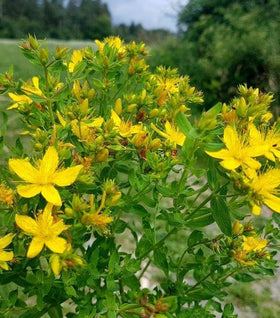
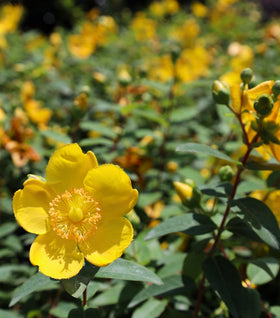
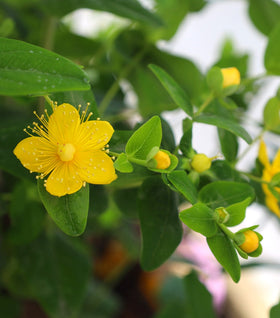
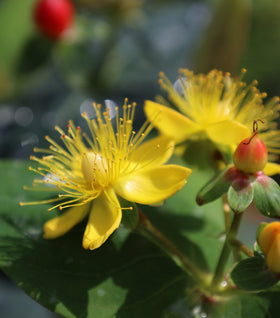
Bright groundcover that makes beds look finished.
St. John’s wort is a fast way to turn bare soil into an intentional planting, especially in sunny borders and along slopes where you want coverage that still looks ornamental. Some selections behave like a flowering groundcover, spreading to knit the surface together, while others form a compact, mounding shrub; either way, the visual effect is the same: fewer gaps, cleaner edges, and a bed that looks “designed” even between bloom cycles.
This collection is also a practical solution plant for mixed-use landscapes, front-yard foundations, driveway edges, mailbox beds, and transition zones where you want something tougher than a delicate perennial. Hypericum is commonly described as adaptable across soil types (including clay, loam, and sand in specific profiles), as long as drainage is good, so it performs well in real yards where soil isn’t perfect.
If you’re planting for a “full look” quickly, use repetition: three to seven plants in a drift reads as one cohesive ribbon, while single plants can look like dots. With groundcover-style types, you can also use them as a living mulch under taller shrubs—just keep enough spacing for airflow and long-term health.
Sunny yellow blooms and easy texture.
Expect cheerful yellow flowers in summer, often June through August for shrubby types—and a clean, leafy backdrop that keeps working even when flowers fade. Many hypericums are valued specifically because they bloom during peak summer heat, when many spring shrubs are done, and borders need a fresh color moment.
Mature size depends on what’s in the collection, but many popular landscape St. John’s wort forms land in a highly usable range: groundcover to low shrubs, and shrubby selections commonly around 1–4 feet tall (sometimes larger with age and conditions). That makes it easy to place in the front-to-middle of beds without blocking windows or swallowing walkways.
Growth rate is typically steady, and many types respond well to pruning if you want a tighter mound. If you prefer a relaxed, naturalized look, let plants fill out and only prune to remove winter damage or to keep edges tidy; either approach still delivers a clean landscape effect.
Planting spots that deliver quick results.
For best flowering, prioritize sun; full sun is commonly listed, with partial shade also workable depending on the type. In a lighter shade, you can still get good foliage and coverage, but bloom is usually strongest when plants get more direct light.
Drainage is the make-or-break factor. St. John’s wort prefers moist but well-drained soil; consistently soggy conditions increase stress and raise the risk of root problems, so choose higher ground, improve soil structure, or use a slight berm if water tends to sit where you’re planting.
Spacing should match the mature habit and how quickly you want coverage: for many low shrub/groundcover uses, a practical range is roughly 18–36 inches between plants (tighter for faster knit-in, wider for more individual definition and airflow). If the goal is a continuous groundcover effect, plant closer; if the goal is mounded shrubs, give them room to round out.
Simple pruning that keeps blooms coming.
Because many hypericums bloom on new growth, late winter to early spring pruning is a reliable strategy to keep plants compact, refresh winter-damaged stems, and encourage vigorous flowering stems for summer. If a planting has gotten leggy or oversized, rejuvenation pruning (cutting back hard in early spring) is a commonly recommended method for many shrubs, including Hypericum, to reset size and restore a youthful habit.
Water regularly during establishment, then shift to a lighter hand once roots are set, many types handle dry spells better after they’re established, but they’ll always look best with reasonable moisture during extended drought. Fertilizing is usually minimal; the real performance upgrades come from light, drainage, and a seasonal prune.