
Spring-Blooming Perennials for Early Color & Pollinator Appeal
Early color that wakes up beds, borders, and shady spots fast
Spring-blooming perennials are the plants that make you believe again. They’re the first real color on the ground—fresh blooms and new growth that show up when the yard still feels half-asleep. This collection is built around that early-season payoff: dependable perennials that return every year, fill in more beautifully over time, and give your beds that “something’s happening” look weeks before summer hits. If you’ve ever stared at a bare border in late winter and thought, I need life out here, spring bloomers are the answer—especially workhorses like hellebores that can flower in late winter into early spring and keep going for weeks.
Here’s the best part: spring perennials aren’t high drama to maintain—they’re high reward. Plant them in the right light, keep moisture consistent while they establish, and do simple seasonal cleanup at the right time. Many early bloomers also pull double duty by supporting pollinators when food sources are scarce, which is one of the most underrated “wins” you can plant into a landscape. And because some spring favorites can be toxic if ingested (hello, hellebore), it’s smart to choose intentionally if pets roam the garden. With fast shipping, real horticultural support, and the We Grow Together Promise, you can plant early-season color with confidence and watch it get better every year.


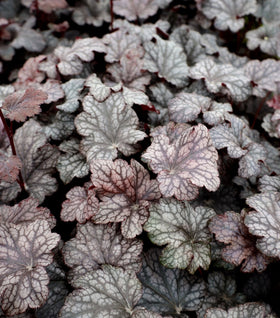

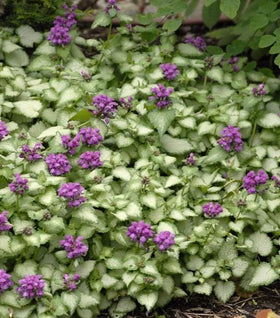

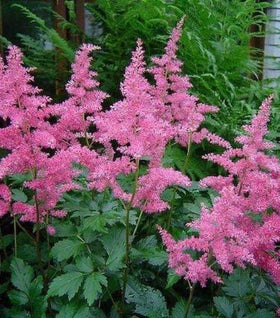
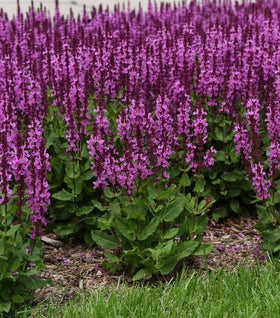


Early blooms that make the whole landscape feel alive.
If you want an instant seasonal mood shift, spring-blooming perennials are the cleanest play. They show up early, they come back reliably, and they make beds look “planned” before you’ve even thought about summer color. Instead of relying on a few scattered bulbs and hoping for the best, spring perennials give you consistent, repeatable color that fills the same space year after year—perfect for front-walk borders, foundation bed edges, and anywhere you want a strong first impression when the season turns.
A big reason gardeners love this category is how long the payoff can run when you plant with intention. Early performers like hellebores can bloom in late winter into early spring, keeping color going while many plants are still waking up. Then other spring perennials carry the baton through the heart of spring, creating a “wave” effect that feels natural—like the garden is unfolding on purpose instead of popping once and disappearing.
Spring perennials also earn their keep in tight spaces. They’re ideal for the front edge of beds where you want a low, tidy look, and they’re strong in mixed plantings where shrubs and small trees provide structure overhead. Because they’re herbaceous (most die back and return), they’re an easy way to refresh your landscape each year without replanting the entire design. You’re essentially building a spring display that renews itself.
And if you care about pollinators, spring bloomers are one of the smartest categories to prioritize. Early-season flowers can be an important food source when pollinators are ramping up, and the landscape still has limited bloom options. The result is a garden that doesn’t just look like spring—it acts like spring, with movement and life right when you want it most.
Spring color, texture, and habit you can design around.
This collection spans the spring perennial “toolkit,” but the theme stays consistent: early interest, reliable return, and plants that look good even outside peak bloom. Some bring evergreen or semi-evergreen foliage that keeps beds looking fuller through the cold season, while others focus on flower power and fresh growth that reads bright and clean in early spring. That mix creates a finished look—flowers up top, texture down low, and a border that feels layered rather than flat.
Growth habit matters just as much as bloom. For example, groundcover-style spring perennials like Phlox subulata (moss phlox) form low mats that are excellent for edging, rock gardens, and slopes, and they flower best with plenty of sun. That makes them a strong option when you want spring color that hugs the ground and looks tidy from the street—especially in hot spots where a tougher, sun-loving perennial is a better fit than fussier options.
Mature size across spring perennials ranges from compact “border stitchers” to larger clump-formers that fill space confidently. The key is matching the plant’s adult footprint to the job: use low growers to define edges and spill over stonework, then place taller clumps behind them for depth. This is how you get a border that looks professionally designed—each plant doing a specific job, each layer supporting the next.
Seasonal interest extends beyond bloom week when you pick wisely and keep it simple. Many spring perennials benefit from basic post-bloom grooming—deadheading or light cutbacks—to keep the planting neat and encourage healthy regrowth. The goal isn’t perfection; it’s momentum: a spring bed that stays attractive as the season transitions toward summer.
Plant them where they thrive and look their best.
Start with light, because spring perennials are a “right plant, right place” category. Some spring bloomers are happiest in shade or part shade—especially early stars like hellebores, which are widely used to brighten shadier gardens and can be valued for early blooms when little else is flowering. Others want sun to perform at their best, like moss phlox, which flowers best in full sun (with some tolerance for dappled sun in hot, humid summers) and handles leaner, well-drained soils better than many flowering perennials.
For spacing, think in practical ranges: plant close enough to look full, but far enough to keep airflow and reduce stress. Low mat-forming perennials generally need enough room to spread without smothering neighbors, while clumping perennials benefit from a little breathing room so they can expand naturally over time. A smart approach is to space for the plant you want in two seasons, not the tiny plant you’re holding today—because spring perennials grow into their role.
Functionally, spring perennials are incredible problem-solvers. Use them to edge foundation beds, brighten woodland paths, soften fence lines, and fill the “awkward gap” between shrubs and hardscape. They’re also excellent on slopes when you need groundcover-style roots to help hold soil while delivering a spring show. If you’re building a landscape that looks good from the street, spring perennials are often the difference between “nice yard” and “designed garden.”
Containers are another high-return placement, especially when you want early color right by the front door or patio. A spring perennial in a pot gives you a focal point when annuals aren’t in play yet, and it lets you fine-tune placement for light and visibility. Just make sure the container drains well, and the plant’s light preference matches the spot—shade lovers in protected areas, sun lovers where they can actually earn their bloom.
Easy care that keeps spring blooms coming back stronger.
The biggest “confidence move” with spring perennials is simple: do cleanup and pruning at the right time for the plant. Many herbaceous perennials respond well to seasonal pruning and selective cutbacks, and timing can affect both plant shape and bloom schedule. If you want a bed that stays neat and performs consistently, treat pruning like a light seasonal reset—not a complicated project—focused on removing tired growth and encouraging healthy regrowth.
Post-bloom care is often the sweet spot for spring perennials. Moss phlox, for example, is commonly cut back after flowering to help maintain shape and encourage denser growth, keeping groundcover plantings looking crisp rather than stringy. That kind of “quick trim” is exactly what makes spring perennials feel low-maintenance: small effort, big visual improvement, and healthier plants moving forward.
Some perennials have specific seasonal routines worth knowing, as they help protect next year’s performance. Peonies are a classic example: after blooms fade, you can deadhead spent flowers, but the foliage is still doing important work; then in fall, it’s commonly recommended to cut old leaves down to ground level. That cycle helps keep plants tidy and supports strong return growth the following season.