

Images Depict Mature Plants
Jack Frost Brunnera
Brunnera macrophylla 'Jack Frost'
Jack Frost Brunnera is one of my favorite ways to brighten a shady bed without relying on flowers all season. The spring blue blooms are a bonus, but the real reason to plant it is the silver heart-shaped foliage that keeps working long after bloom time. Give it cool shade, good soil, and steady moisture, and it will make dark garden corners look intentional instead of empty.

20% OFF SITEWIDE SALE
Use Code 'OCTOBER20' At Checkout
📦 Free shipping on orders over $99.
Delay shipping by leaving us a message at Checkout.
Share:


Silver Foliage and Blue Spring Flowers for Shade Gardens
Jack Frost Brunnera Brightens Shade with Silver Heart-Shaped Leaves
Jack Frost Brunnera is one of the best shade perennials for adding brightness, texture, and season-long foliage interest to woodland gardens and shaded borders. Its heart-shaped leaves have a frosted silver overlay with crisp green veining, creating a crackled, almost metallic look that stands out beautifully in low-light garden spaces.
Also known as Brunnera Jack Frost, this perennial is especially useful for homeowners who want something showier than plain green foliage but easier to maintain than many flowering shade plants. The silver leaves act like a natural spotlight under trees, along shaded walkways, and in mixed perennial beds.
Blue Forget-Me-Not Flowers Add Spring Color Above the Foliage
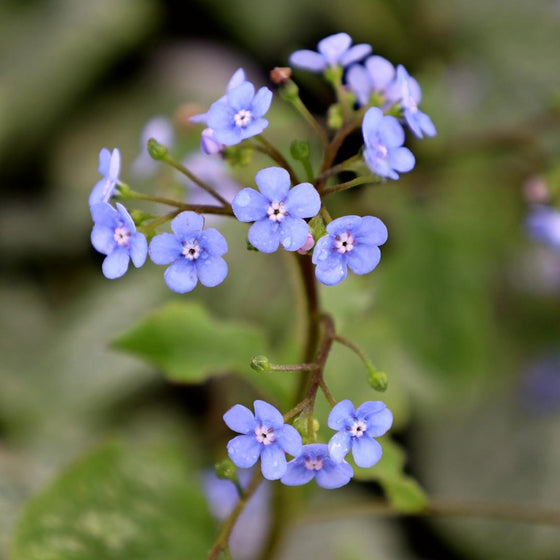
In spring, Jack Frost Brunnera sends up airy sprays of small blue flowers that resemble forget-me-nots. The soft blue blooms rise above the foliage and create a delicate, woodland-style display before the foliage becomes the main show for the rest of the growing season.
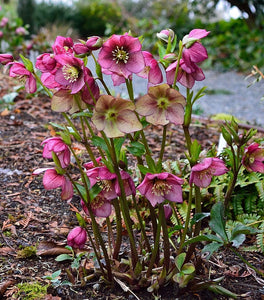
This early bloom makes Jack Frost Brunnera a strong companion for spring bulbs, hellebores, ferns, hostas, heuchera, astilbe, epimedium, and shade-loving groundcovers. After the flowers fade, the silver leaves continue to carry the planting with clean, long-lasting color.
A Low-Maintenance Shade Perennial for Woodland Gardens and Borders
Jack Frost Brunnera forms a tidy clump that gradually spreads by short rhizomes, making it useful as a polite groundcover for shade. It is not a fast-running groundcover, but over time it can fill in shaded beds with a thick, attractive layer of foliage.
Use it in woodland gardens, shaded foundation beds, north-facing borders, under open-canopy trees, along shaded paths, or in containers where the foliage can be seen up close. Its compact size makes it easy to tuck between larger shade plants without overwhelming the design.
Best in Part Shade, Moist Soil, and Protection from Hot Afternoon Sun
Jack Frost Brunnera performs best in part shade to full shade with rich, moist, well-drained soil. Morning sun is usually fine in cooler climates, but hot afternoon sun can scorch the leaves, especially in warmer regions or dry soil.
This is not a dry-shade plant. Keep the soil consistently moist during establishment, and use mulch to help cool the root zone and conserve moisture. In hot, humid southern climates, Brunnera can struggle, so it is best placed in cool, shaded areas with excellent soil moisture and airflow.
Deer Resistant Foliage
Jack Frost Brunnera is generally considered deer-resistant and rabbit-resistant, largely because of its rough, slightly hairy foliage. That makes it a practical choice for shaded gardens where hostas and other tender perennials may be browsed.
The plant is grown primarily for foliage, not for nonstop flowers. Expect the blue blooms in spring and the silver foliage to remain the main ornamental feature through the season. If summer heat or drought causes tired foliage, trim damaged leaves and water deeply to encourage fresh growth.
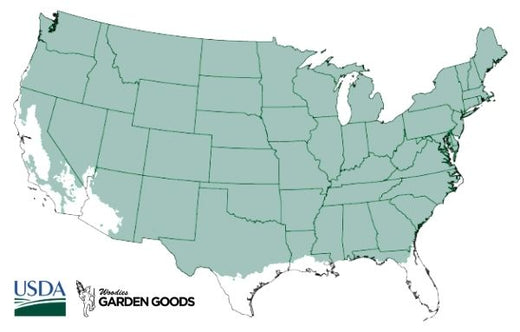
| Hardiness Zone: | 3-8 |
|---|---|
| Mature Height: | 12 to 18 Inches |
| Mature Width: | 12 to 18 Inches |
| Sunlight: | Part shade to full shade; protect from hot afternoon sun |
| Soil | Rich, moist, well-drained soil with organic matter |
| Water Requirements: | Regular moisture preferred; avoid dry soils and soggy poorly drained soil |
| Bloom Time / Color | Spring; small blue forget-me-not-like flowers with pale centers |
| Ornamental Features | Silver foliage, green veining, blue spring flowers, shade-brightening texture |
| Wildlife Value | Early spring flowers may support pollinators; foliage provides season-long cover in shade beds |
| Resistance | Generally considered deer resistant and rabbit resistant |
| Landscape Uses | Shade gardens, woodland gardens, border edges, shaded walkways, containers, groundcover, underplanting shrubs and trees |
How to Care for Jack Frost Brunnera
Be sure to read our planting instructions to ensure a healthy and happy Jack Frost Brunnera plant for years to come!
-v1782665420716.png?92x91)
How should I plant Jack Frost Brunnera?
Plant Jack Frost Brunnera in part shade to full shade with rich, moist, well-drained soil. Dig a hole about twice as wide as the root ball and no deeper than the container. Set the crown level with the surrounding soil, backfill with amended native soil if needed, and water thoroughly. Add a light mulch layer to help keep the root zone cool and evenly moist, but do not bury the crown. For a grouped planting or groundcover effect, space plants about 12 to 18 inches apart. In warmer climates, choose a site protected from hot afternoon sun.
-v1782665443916.png?89x84)
How often should I water Jack Frost Brunnera after planting?
Water Jack Frost Brunnera deeply after planting, then keep the soil consistently moist while the roots establish. During the first growing season, check the soil regularly and water when the top inch or two begins to dry. This plant does not like prolonged drought. Once established, it still performs best with steady moisture, especially during summer heat. Container-grown Brunnera will dry out faster than plants in the ground and should be checked more often.
-v1782665462092.png?90x89)
When should I fertilize Jack Frost Brunnera?
Fertilize Jack Frost Brunnera lightly in early spring as new growth begins. A thin topdressing of compost, leaf mold, or a gentle, slow-release fertilizer is usually enough to support healthy foliage and spring flowers. Avoid heavy fertilizer applications. Too much nitrogen can promote soft growth, which is more vulnerable to stress, especially in warm or humid conditions. Good soil preparation and consistent moisture matter more than heavy feeding.

When and how should I prune Jack Frost Brunnera?
Remove spent flower stems after bloom if you want a cleaner look, but do not cut back the entire plant unless the foliage is damaged. Trim away winter-damaged, scorched, or tired leaves as needed to keep the plant looking fresh. In late fall or late winter, remove collapsed foliage and clean around the crown before new spring growth emerges. Do not mow Jack Frost Brunnera like a turf groundcover; it is a clump-forming perennial best maintained with selective hand trimming.