
Pink and Purple Flowering Rose Bushes
Romantic color, rich fragrance, and repeat blooms for standout gardens.
Pink and purple rose bushes bring a richer, more layered kind of beauty to the garden than a single-color collection ever could. Pink roses can feel soft, classic, cheerful, or romantic depending on the shade, while purple roses add depth, drama, and that slightly unexpected look that makes a planting feel more memorable. Together, they give homeowners and landscapers a wider range of design options, whether the goal is a cottage-style border, a polished foundation bed, a cutting garden, or a feature container near an entry or patio. This collection is not just about flower color. It is about giving gardeners more ways to shape mood, texture, and season-long interest with rose bushes that can carry a landscape from late spring well into fall.
The real strength of this collection lies in its range. Some roses stay compact and tidy for smaller spaces, while others offer a fuller shrub habit, larger blooms, or stronger fragrance for more dramatic impact. Many modern roses are also easier to manage than gardeners expect when they are planted in full sun, spaced properly, and pruned at the right time. That means you can enjoy pink and purple blooms with more confidence and less guesswork. This updated collection makes room for gardeners who want soft blush tones, bold magenta-pink color, lavender-purple blooms, or a richer mix of both working together in one planting. With expert guidance, carefully selected varieties, and the We Grow Together Promise, this rose collection is built to help gardeners plant with confidence and enjoy more beauty throughout the season.

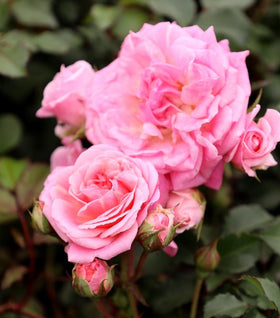
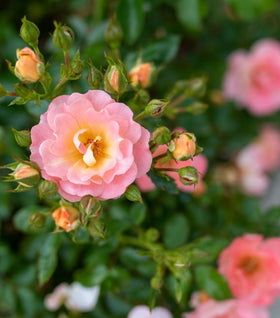

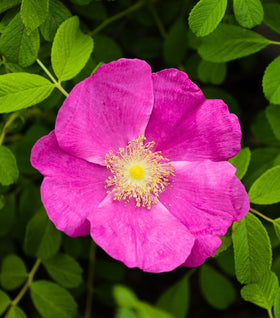
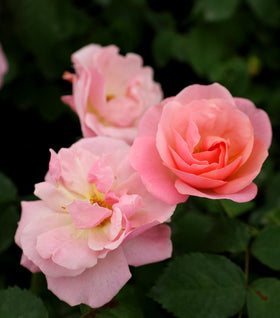
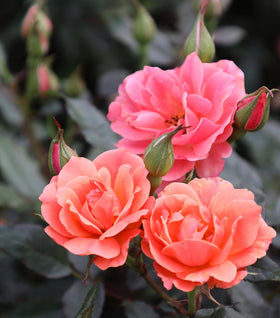

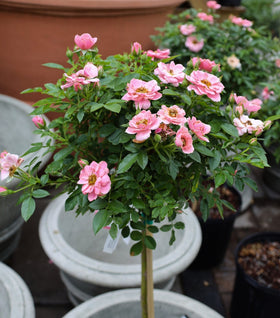


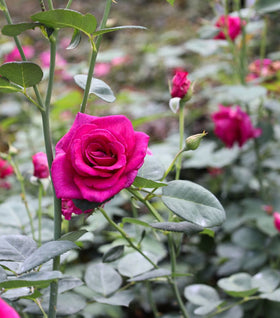
Pick the rose colors that have the greatest impact.
Pink and purple rose bushes open up more design possibilities than pink roses alone. Pink roses bring the timeless side of the category, from soft and airy to bright and energetic, while purple roses bring contrast, richness, and a more distinctive look in the landscape. When these tones are offered together in one collection, gardeners can build a planting that feels more layered and more intentional. A bed filled with a single color can certainly be beautiful, but mixing pink and purple shades often adds more depth and visual movement. That makes this collection especially useful for gardeners designing around patios, walkways, mailbox beds, front foundation plantings, and dedicated rose gardens.
This color pairing also works across a surprising range of garden styles. In cottage gardens, pink and purple roses can feel lush, romantic, and abundant. In more formal settings, they can read as elegant and refined, especially when paired with clipped evergreens or clean edging. In mixed perennial beds, they bridge beautifully with salvias, catmint, lavender tones, and silvery foliage plants. They also make excellent choices for cut flower gardens, where soft pink and richer purple flowers can be harvested together for arrangements with more contrast and character.
For gardeners shopping this collection, the benefit is not simply more color options. It is a better chance of finding the right rose for the exact mood and use case they want. Some will want soft pink blooms near a porch, some will want a deeper purple rose to stand out against green shrubs, and others will want both working together in one memorable planting. This updated collection now supports all of those goals while still delivering the repeat bloom, fragrance, and ornamental value that make roses so rewarding to grow.
See the shades, forms, and fragrance you are planting for.
Pink and purple rose bushes are not all cut from the same mold. Within these color families, gardeners can find flowers ranging from clear shell pink and rosy blush to saturated magenta, lavender, plum, and deep purple-red tones. Bloom form can vary too, with some roses producing classic high-centered flowers, others producing ruffled old-fashioned blooms, and others producing clusters for broader seasonal color. That variety matters because it lets gardeners choose not only by color, but also by the kind of presence they want the plant to have. Some roses feel delicate and romantic. Others feel bold, saturated, and dramatic.
Fragrance can also be a major part of the appeal. Many pink and purple roses are chosen not only for bloom color but for the perfume they bring to patios, entry gardens, and cutting beds. When fragrance is paired with repeat flowering, the result is a plant that feels rewarding again and again through the growing season. Most shrub and landscape roses flower in flushes from late spring into fall, especially when planted in full sun and kept healthy throughout the season. That long bloom window is a major selling point for gardeners who want more than a one-time show.
Size and growth habit vary by type, but many garden roses in this category mature somewhere around 2 to 5 feet tall and wide, with some staying compact enough for containers and others filling out into fuller flowering shrubs for beds and borders. Growth is usually moderate, with plants establishing best when given enough sun, air circulation, and room to mature. The result is a collection that offers soft color, saturated color, fragrance, and a range of bloom forms without asking gardeners to compromise on beauty or performance.
Plant them where color and air flow can do the work.
Rose bushes perform best when they are planted where the sun reaches them for most of the day and where foliage can dry quickly after rain or watering. In general, roses need at least six hours of direct sun, and morning sun is especially helpful because it promotes faster drying and supports healthier foliage. This collection is best used in bright borders, island beds, cutting gardens, foundation plantings with good exposure, and larger decorative containers. The stronger the light, the more reliable the flowering tends to be, especially on repeat-blooming shrub roses.
Spacing is one of the easiest ways to improve both performance and appearance. Compact roses may work at roughly 2 to 3 feet apart, while fuller shrub forms are often better spaced 3 to 5 feet apart, depending on mature size. That extra room helps plants maintain a cleaner shape, improves air movement through the canopy, and reduces the likelihood that common fungal issues will become more severe. It also makes pruning, deadheading, feeding, and enjoying the blooms much easier.