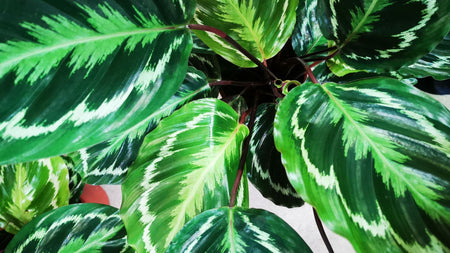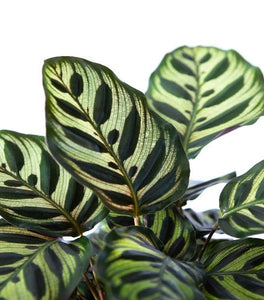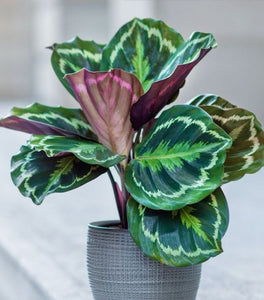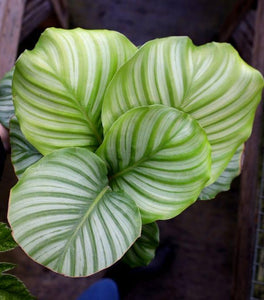


Images Depicted Range in Maturity & Container Size
Pots & Decorations Not Included Unless Otherwise Stated
Calathea Ornata
Calathea ornata
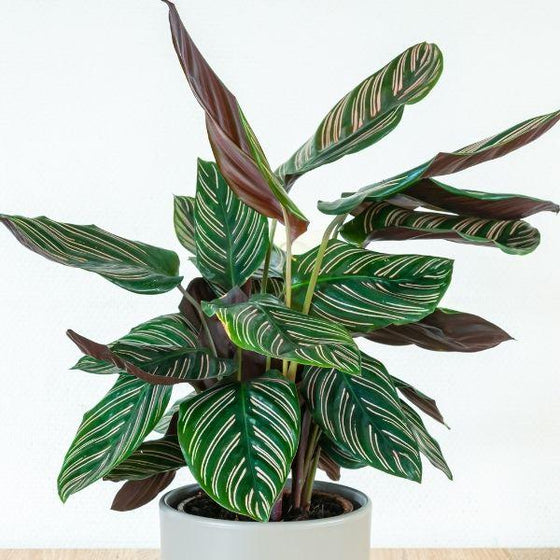
Calathea ornata is the plant to buy when you want instant “wow” without risking pets—pinstriped leaves, purple undersides, and that lush tropical look that elevates any room. Give it bright indirect light, steady moisture, and a humidity boost, and it rewards you with fresh, flawless foliage that looks expensive year-round.

15% OFF WITH CODE PLANTING15
Save 15% Off Your Entire Order! Limited time.
📦 Free shipping on orders over $99.
Share:

Buy Calathea Ornata for Pinstripe Foliage and Pet-Safe Tropical Style
The Pinstripe Houseplant That Looks Like Living Art
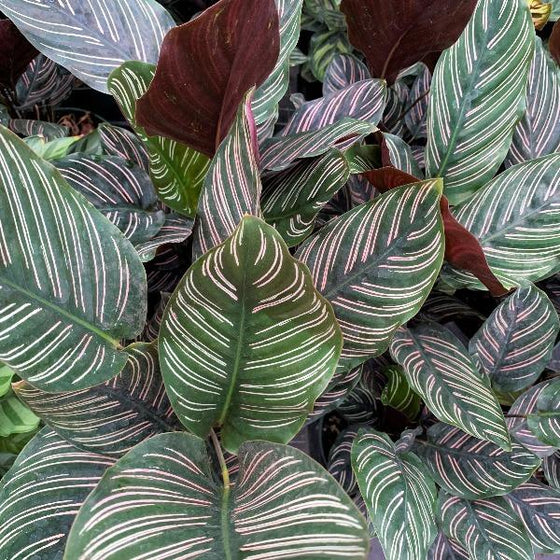
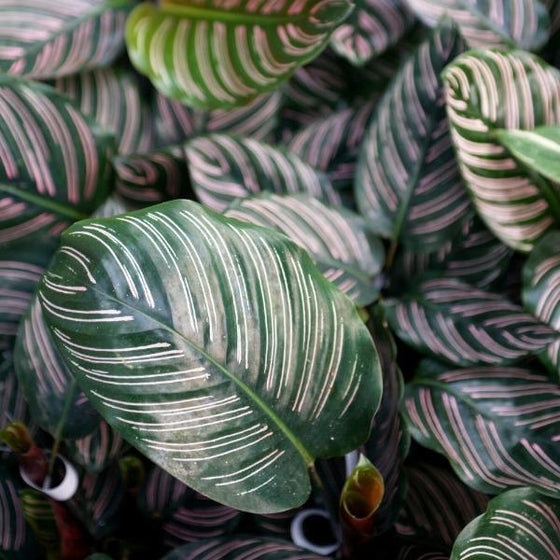
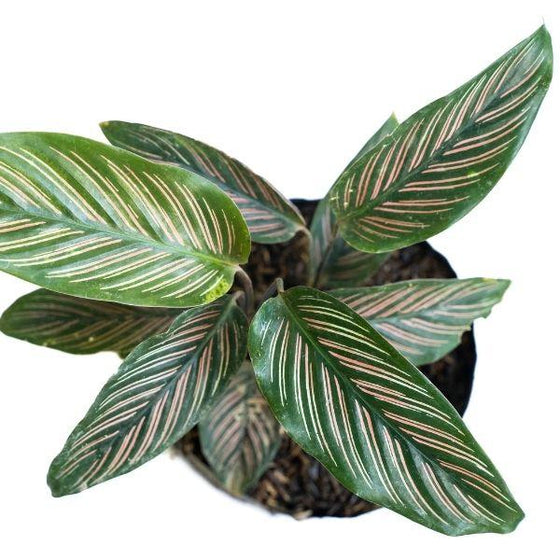
Calathea ornata is the definition of “designer foliage”: deep green leaves with fine pink pinstripes and rich purple undersides that make a room feel curated in seconds. It’s a favorite for anyone shopping for a statement houseplant that reads bold but still feels calm—like a piece of modern art you can water.
For pet households, this one is a confident add-to-cart: calatheas are listed as non-toxic to cats and dogs by the ASPCA, making Pinstripe Calathea a go-to for pet-safe styling.
A Full, Floor-Ready Plant Without Taking Over Your Space
Indoors, Calathea ornata typically matures around 2–3 feet tall and 2–3 feet wide, forming a lush, upright clump that fills a corner or shelf area beautifully. The growth is naturally dense, with new leaves emerging from the center, so it looks fuller over time without constant pruning.
This is the sweet spot for indoor buyers: big visual impact, but still manageable in a decorative pot. It’s also a strong option for staged “layered plant” looks—pair it with a trailing pothos or upright snake plant for instant height + texture contrast.
Bright Indirect Light, Warmth, and Humidity for Perfect Leaves
Pinstripe Calathea performs best in bright, indirect light—close to a window with filtered sun or a few feet back from bright exposure. Direct sun can scorch or fade foliage, while very low light can slow growth and dull the pattern.
Humidity is the upgrade that changes everything. Aim for higher humidity and steady warmth (calatheas dislike drafts and temperature swings). Filtered or distilled water helps too many calathea leaf-edge issues trace back to minerals/chemicals in tap water and inconsistent moisture.
Indoor Placement That Makes the Foliage Pop
Use Calathea ornata as an indoor focal point where you’ll notice the stripes: entry consoles, bright bathrooms, kitchens with good light, or a living room plant cluster. It shines in modern, coastal, and boho interiors because the leaf pattern provides “print” without visual clutter.
It also thrives as a pet-safe gift plant—the kind of housewarming present people actually keep—especially when paired with a simple care card: indirect light, even moisture, and humidity support for pristine leaves.
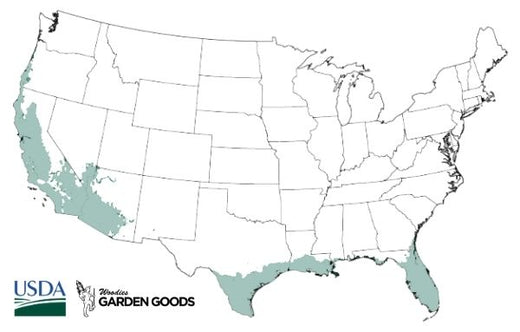
| Hardiness Zone | 10-11 |
|---|---|
| Mature Height: | 2 to 3 Feet |
| Mature Width: | 2 to 3 Feet |
| Sunlight: | Bright, indirect light; avoid direct sun |
| Bloom Time / Color: | Rare indoors; small flowers not the main feature |
| Soil Condition: | Well-draining, moisture-retentive indoor mix |
| Water Requirements: | Keep evenly moist; water when top layer is nearly dry |
| Resistance: | Pet-safe (non-toxic to cats and dogs) |
| Indoor Uses | Statement foliage, pet-friendly décor, bright bathrooms, plant groupings |
How to Care for Calathea Ornata
Be sure to read our planting instructions to ensure a healthy and happy Calathea ornata plant for years to come!
-v1768838383777.png?92x91)
How should I plant Calathea Ornata?
Start with the right pot and mix. Choose a container with drainage holes and use a well-draining indoor blend that still holds a bit of moisture (calatheas like “evenly moist,” not wet). When potting, loosen circling roots gently, place the plant at the same depth it was growing, and backfill without packing the soil too tightly. Repotting works best during active growth (spring through summer). Move up one pot size at a time to avoid an oversized pot that stays wet too long, and refresh the mix so roots get oxygen as well as moisture.

How often should I water Calathea Ornata after planting?
After potting, water thoroughly until excess drains, then keep the soil consistently moist during the first few weeks while the plant settles. A simple rule is watering when the top layer is just starting to dry—never letting the pot dry completely, but also avoiding a constantly saturated mix. Long-term, adjust to your home environment. In brighter light or drier air, watering will be more frequent; in lower light, it slows down. If leaf edges brown or curl, check humidity, watering consistency, and water quality—filtered/distilled water often makes a visible difference.

When should I fertilize Calathea Ornata?
Feed lightly during spring and summer when the plant is actively growing. A balanced houseplant fertilizer at a diluted rate supports steady new leaves without pushing weak, overstretched growth. Skip feeding in fall and winter when growth naturally slows indoors. For a gentle alternative, refresh the potting mix annually or top-dress with a thin layer of compost-based indoor mix. Healthy roots plus stable humidity will do more for leaf quality than heavy fertilizing.

When and how should I prune Calathea Ornata?
Pruning is mostly cleanup. Remove yellow, crispy, or damaged leaves at the base with clean snips to keep the plant looking fresh and to redirect energy to new growth. Avoid trimming leaf tips for aesthetics—fix the cause (humidity, water quality, watering rhythm) so new leaves emerge perfect. If the plant gets crowded, division during repotting is the cleanest way to “reduce size” while creating a second plant. Keep conditions stable after pruning or division—warmth, humidity, and consistent moisture support fast recovery.