
Multicolored Hydrangea Shrubs
Color-shifting blooms that keep the landscape interesting all season long.
If you love hydrangeas but want more than a one-note bloom, multicolored hydrangea shrubs are the answer. This collection blends varieties that naturally transition through colors as the season progresses (think creamy tones that blush pink and deepen as nights cool) and varieties that can show blue, purple, and pink tones depending on soil chemistry and local conditions. The result is a garden that looks “designed” without you having to constantly redesign—because the blooms do some of the work for you. You’ll see your shrubs peak from mid-summer into fall, making them a smart choice for foundation beds, entry plantings, and high-visibility borders that need to look great during the heart of outdoor season.
Here’s the confidence play: place them well, give them room, and prune at the right time for the type you’re growing. Bigleaf hydrangeas (the classic mophead/lacecap look) generally want protection from hot afternoon sun, while panicle hydrangeas tolerate more sun and are typically pruned in late winter or early spring because they bloom on new growth. And if you’re aiming for certain tones on color-shifting types, a soil test comes first—because aluminum availability and pH are what steer blooms toward pinks, blues, and the in-between purples that read as “multicolor” in the landscape. That’s the We Grow Together Promise: clear steps, right-timed care, and shrubs you can feel confident planting.
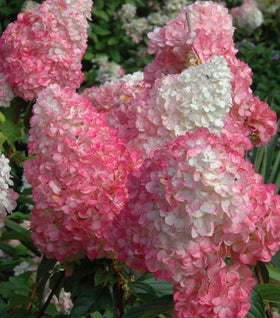
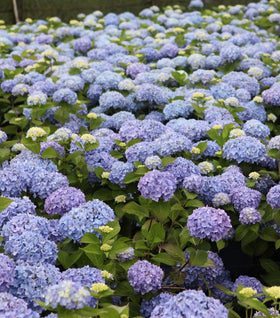
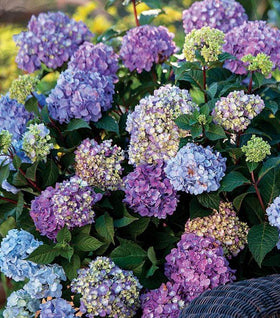
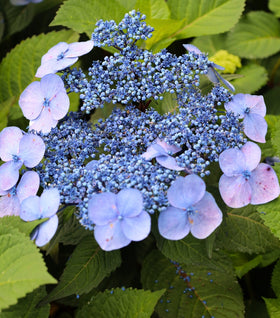
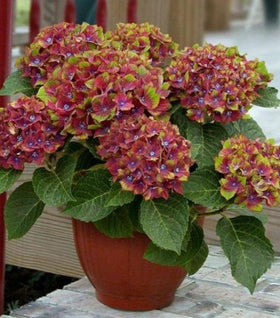
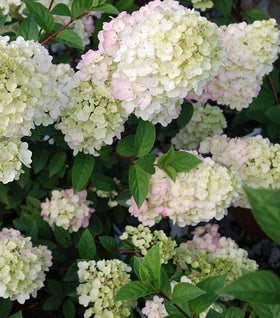

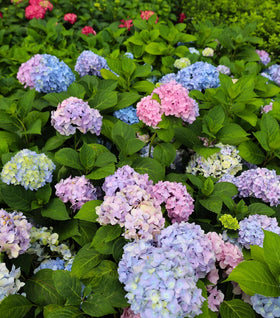
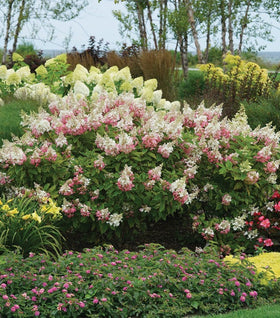

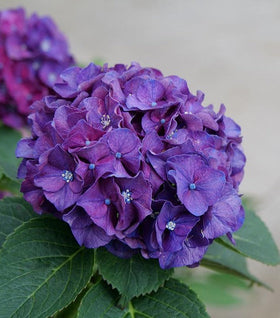
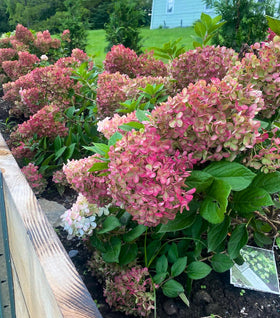
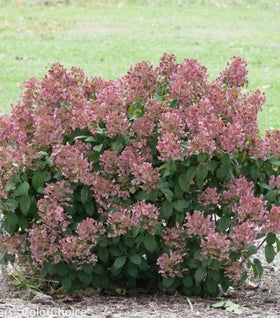
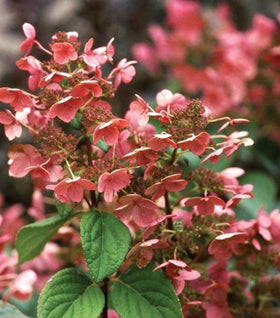
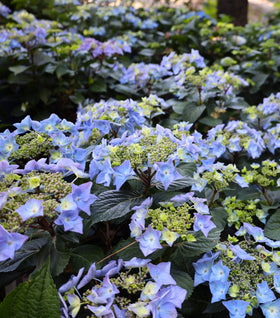

Get nonstop interest from blooms that shift and blend.
Multicolored hydrangea shrubs earn their keep because they don’t look the same week after week. Panicle hydrangeas are famous for blooms that open light and then take on pink-to-rosy tones as the season advances, which creates a naturally shaded, multi-toned effect on the same flower head. That “gradient” look gives you movement and depth in borders—even when you’re using only a few plants.
Bigleaf hydrangeas bring a different kind of multicolor: their blooms can lean pink, purple, or blue depending on soil conditions and aluminum availability. If your yard varies from one bed to the next (or you garden in containers), you can end up with subtle color differences that feel custom and collected—especially when you group a few shrubs together for a fuller display. It’s one of the easiest ways to get that “curated garden” look without relying on dozens of different plant species.
These shrubs are also versatile in how you use them. Plant them as focal points, repeat them in foundation lines, or mix them into layered borders with evergreens and perennials. Because the bloom window is strongest from mid-summer through fall, they’re especially valuable for landscapes that need reliable, high-impact color during peak outdoor living season.
Choose the bloom style and size that fits your space.
“Multicolored” can mean a few different things—so it helps to shop by bloom form and mature size. Bigleaf hydrangeas are typically rounded shrubs in the 3–6 foot range and perform best in dappled light or partial shade with protection from afternoon sun, which makes them great near porches, under high tree canopies, or on the east side of a home. Their color range is often the blue–purple–pink spectrum, influenced by soil chemistry.
Panicle hydrangeas are a strong option when you want sun tolerance and a bolder, more architectural flower shape (large conical blooms). They can mature quite large (often in the 10–15 foot range for the species, depending on variety), and they’re known for blooms that change color as autumn approaches. If you want a shrub that can act like a flowering backdrop or a big statement plant, panicles are a natural fit.
Growth rate is best thought of as “responsive”: give hydrangeas consistent moisture, good drainage, and appropriate light, and they’ll fill in strongly. That’s why choosing the right size up front matters—because the easiest low-maintenance hydrangea is the one that has room to mature without constant rescue pruning.
Plant them where color and performance come easily.
Start with light. Bigleaf hydrangeas generally want more shade—especially from midday to afternoon heat—while panicle hydrangeas tolerate more sun and often do well with morning sun and afternoon shade (and can handle sunnier sites if moisture is consistent). Matching the type to the exposure is the fastest way to get stronger stems, cleaner foliage, and better bloom.
Use spacing as a performance tool, not an afterthought. For many bigleaf shrubs, 3–6 feet between plants is a practical planning range (based on mature width), while larger panicles may need significantly more room—often 6–10+ feet depending on variety and the effect you want. More airflow helps leaves dry faster, which can reduce the persistence of common foliar issues in humid or crowded beds.
Design-wise, these shrubs shine in foundation beds, along fences, as soft screens, and as border anchors that guide the eye through the yard. They also work in large containers, but these require more attention to watering and drainage—so use a big pot, keep the soil evenly moist, and avoid leaving roots in standing water.
Keep care simple with the right timing and small habits.
Planting is straightforward: choose a spot with the right light, use well-drained soil enriched with organic matter, water deeply after planting, and mulch to stabilize moisture. Most hydrangeas prefer consistent moisture (especially in summer), and mulch helps reduce the hot/cold swings that can stress plants and reduce bloom quality.
Pruning is where most disappointment happens—so here’s the simple rule: bigleaf hydrangeas are often pruned right after flowering and ideally before August 1 to avoid removing next year’s buds, while panicle hydrangeas can be pruned in late winter or early spring because they bloom on new growth. If your collection includes reblooming bigleaf types, they’re often more forgiving, but the safest approach is still light shaping and deadwood removal at the proper window.
Color-tuning (when relevant) is a “slow and steady” process. University and extension guidance commonly notes that aluminum availability is key, and that adjusting soil pH can nudge blooms toward pink (higher pH) or blue (lower pH) on color-responsive types—so test first, then amend gradually rather than chasing quick changes. That’s how you get multicolor effects you can repeat season after season.