
Magnolia Trees
Iconic blooms and glossy foliage that turn any yard into a statement.
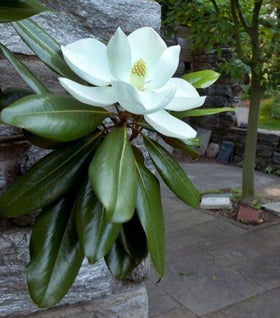
Magnolias are the “wow” tree that still feels timeless, with big, elegant flowers and glossy foliage that make a landscape look upgraded in one move. Depending on the type, you can get early-spring bloom on bare branches (think star and saucer styles), or warm-season flowering on evergreen forms that keep a rich green canopy through winter. That range is what makes magnolias so useful: one collection can cover front-yard focal points, patio-adjacent shade, and even privacy-minded evergreens where you want beauty and structure.
The key to a magnolia you’ll love for decades is choosing the right variety for your light and soil, then keeping care simple. Most magnolias prefer moist, well-drained soil and do best in full sun or partial shade, especially with protection from harsh afternoon stress in hotter exposures. They also appreciate slightly acidic soil (commonly cited around pH 5.5–6.5) and a mulch ring that protects roots and stabilizes moisture. When you plant with those basics in mind, magnolias are surprisingly low-drama, and you’re backed by the We Grow Together Promise.

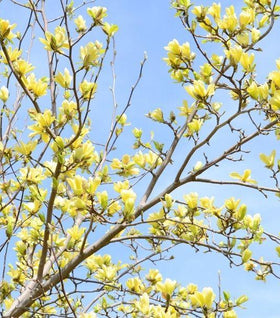

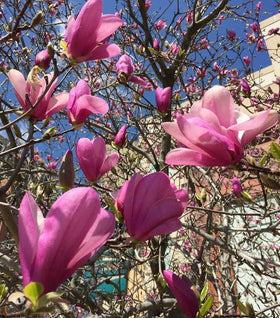
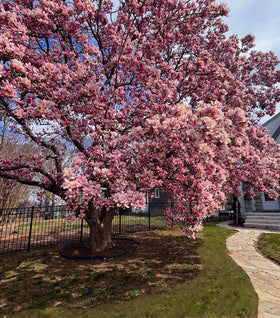
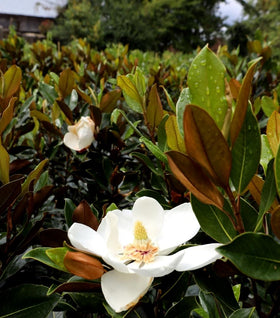

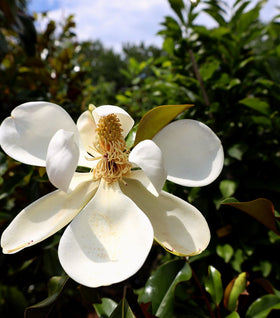
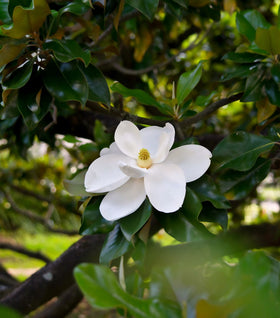
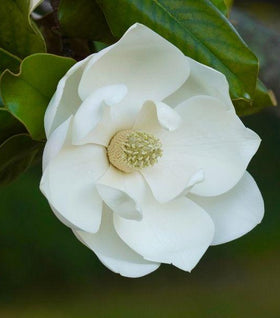
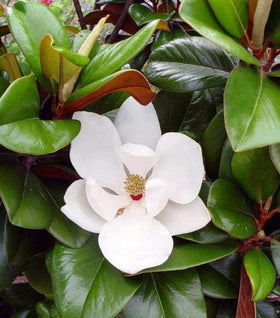
Make a front-yard statement in one season.
Magnolia trees are made for “instant focal point” landscaping because the blooms are large, unmistakable, and visible from the street. Many deciduous magnolias flower in late winter to spring, while other types can bloom later into spring or summer, so you can choose the kind of seasonal moment you want to anchor your yard’s look.
They also scale well to real properties. Some magnolias stay in small-tree territory for patios and foundation-adjacent beds, while others mature into larger canopy trees that create shade and presence. The best buying decision is choosing the mature size class that fits your space so you get a confident, natural silhouette without constant corrective pruning.
And magnolias aren’t just a “spring-only” tree. Even after bloom, many types keep their value with bold leaves, attractive structure, and (for evergreen magnolias) year-round green mass that makes beds and property edges feel more private and finished.
Big blooms, glossy leaves, and real variety.
Bloom windows vary by type, which is a feature when you’re planning a landscape calendar. Some magnolias are famous for early spring flowers, while others bloom later—sometimes into summer, so you can stretch the season by choosing the right selection for your climate and design goals.
Mature size and growth rate also vary widely across magnolias, ranging from compact forms to large trees, so the “right pick” depends on where you’re planting. If you’re aiming for a patio-friendly tree, shop small-to-medium types; if you want privacy and evergreen structure, focus on larger, evergreen selections with the footprint to match.
Texture is part of the appeal: thick, polished leaves and bold flowers create a high-contrast look that pairs beautifully with evergreens, ornamental grasses, and clean foundation plantings. In design terms, magnolia reads as premium because it looks intentional from every angle, bloom, leaf, and structure.
Planting spots that make magnolias thrive.
Most magnolias perform best in full sun to partial shade, with consistent moisture and a well-draining site. If you’re planting in hotter areas, partial shade (especially afternoon shade) can reduce stress while still delivering strong flowering, as long as the tree gets enough light to set buds and bloom well.
Soil is the make-or-break: rich, porous, well-drained soil is commonly recommended, and many magnolias prefer slightly acidic conditions (often cited around pH 5.5–6.5). Mulch helps protect roots, conserve moisture, and keep the root zone cooler, especially valuable during the first year while the tree establishes.
Spacing should follow the mature canopy you’re buying. As a practical rule, give the tree enough room so its mature spread won’t press into structures or other trees, and leave breathing space for airflow. Better air movement supports healthier foliage and reduces stress-related issues.
Easy care that protects blooms and health.
Water consistently during establishment, then maintain a steady moisture pattern—moist, not soggy. Magnolias are often described as tolerant of moderate drought once established (type and site dependent), but they perform best when they don’t swing between bone-dry and waterlogged conditions.
Pruning should be light and intentional. Many guides caution against fall pruning, and timing can vary by magnolia type; a safe approach is to remove dead/damaged branches as needed and do any shaping at the recommended seasonal window for your selection (often after flowering or during a dormant/practical window, depending on whether it’s deciduous or evergreen).
Pests and diseases are usually manageable with good siting and overall vigor. Extension guidance notes that magnolias may see issues like scale insects and algal leaf spot, but control isn’t often warranted unless the tree is stressed, so your best prevention is sunlight, good drainage, and steady establishment care.
Notable cautions: Magnolia (including star magnolia) is listed as non-toxic to dogs, cats, and horses by the ASPCA, though any plant chewing can still cause mild stomach upset. The practical move is simple: discourage nibbling and keep fallen petals/leaves tidied if pets like to sample the garden.