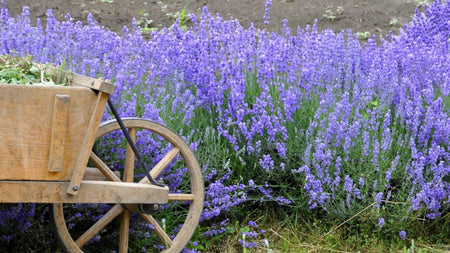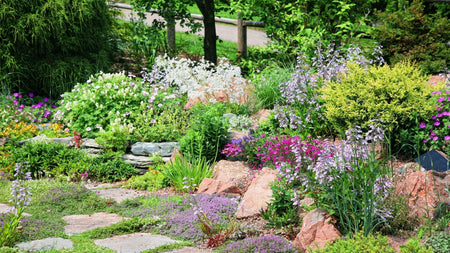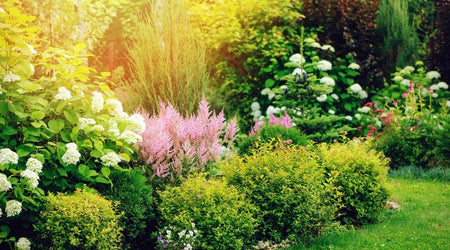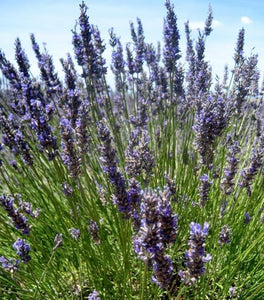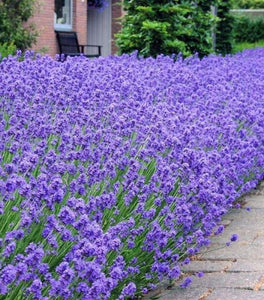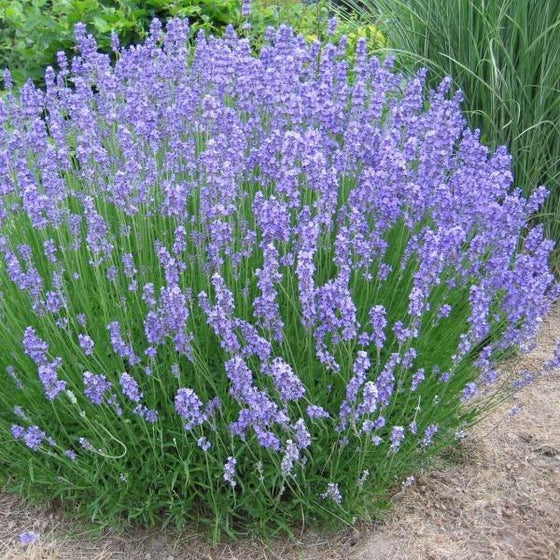


Images Depict Mature Plants
Phenomenal Lavender
Lavandula x intermedia
“Phenomenal Lavender lives up to its name. Its incredible winter hardiness and heat tolerance make it one of the most dependable lavenders I’ve ever planted. The sweet fragrance and pollinator-friendly blooms are a must-have for any gardener who wants low-maintenance color and year-round appeal. Whether you’re edging a sunny border or creating a Mediterranean-style herb garden, this lavender brings beauty, fragrance, and durability to any landscape.

Save Up to 25% On Your Order! Limited Time Only!
Discount Applied Automatically At Checkout
📦 Free shipping on orders over $99.
Delay shipping by leaving us a message at Checkout.
Share:


Buy Phenomenal Lavender for Fragrance, Hedge-Worthy Fullness, and Reliable Performance
The Lavender That’s Built for Real-World Gardens
Phenomenal Lavender is the “easy yes” for shoppers who want true lavender fragrance and saturated purple flower spikes—without the heartbreak many lavenders face in humid summers or rough winters. It’s widely praised for improved tolerance to heat, humidity, and common disease pressures when planted in the sun and fast-draining soil.
If you’re buying lavender to make a walkway smell incredible, to edge a garden bed, or to plant a small hedge you can harvest for bouquets and drying, Phenomenal delivers strong bloom and aromatic foliage with a tidy, mounded look that reads “intentional” from spring through fall.
A Dense, Mounded Plant That’s Perfect for Borders and Low Hedges
Phenomenal forms a uniform mound that typically lands around 24–32 inches tall and wide in many landscape settings, giving you enough size for structure without overpowering smaller beds. That compact fullness is what makes it so useful as a hedge lavender: it fills in, holds its shape, and looks polished even when nothing else is blooming.
Flowering stems rise above the foliage in summer, creating that classic lavender silhouette—silver-green base + purple wands—ideal for repeating rhythm along paths, driveways, and fence lines.
Full Sun + Drainage = The Difference Between “Okay” and Outstanding
Full sun is the ticket for strong bloom and tight growth, and drainage is non-negotiable—Phenomenal may be more forgiving than many lavenders, but it still performs best in gritty, fast-draining soil or a sharply draining container mix. Avoid low spots and slow-draining clay pockets where water lingers.
Water regularly during establishment, then taper to deeper, less frequent watering once roots are set. Lavender prefers drying slightly between waterings, and consistent “wet feet” is the quickest path to stress and root issues.
Pollinator Magnet, Deer-Resistant Border, and a Harvest-Ready Herb
Plant Phenomenal Lavender where you’ll brush past it—paths, patios, front borders—because fragrance is half the point. In summer, it pulls in pollinators like bees and butterflies, and it’s commonly listed as deer-resistant thanks to its aromatic oils.
It also excels as a cut-and-dry plant: harvest flower spikes for bouquets, sachets, wreaths, and potpourri, then enjoy a clean, evergreen-ish mound of silvery foliage in mild climates.
Named a 'Must Grow Perennial' by Better Homes & Gardens'
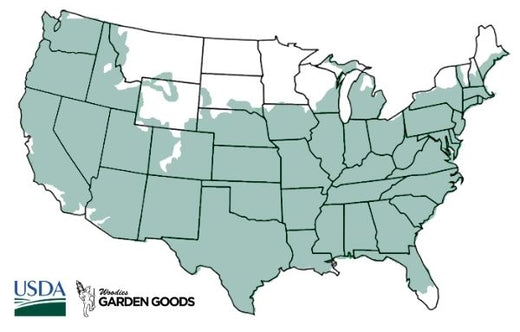
| Hardiness Zone: | 5-9 |
|---|---|
| Mature Height: | 2 to 3 Feet |
| Mature Width: | 2 to 3 Feet |
| Bloom Time / Color | Summer; fragrant lavender-purple spikes |
| Sunlight: | Full sun |
| Water Requirements: | Water well until established; drought tolerant once established |
| Soil | Fast-draining / gritty; avoid wet soils |
| Wildlife Value | Flowers attract bees, butterflies, and other pollinators |
| Resistance | Deer resistant, drought tolerant once established, heat tolerant, humidity tolerant compared with many lavenders |
| Landscape Uses | Herb gardens, pollinator gardens, sunny borders, low hedges, cottage gardens, containers, rock gardens, gravel gardens, cut flower gardens, dried arrangements, foundation plantings |
How to Care for Phenomenal Lavender
Be sure to read our planting instructions to ensure a healthy and happy Phenomenal Lavender plant for years to come!

How should I plant Phenomenal Lavender?
Plant in full sun in soil that drains fast—lavender is happiest when water moves through the root zone quickly. Dig a hole about 2× as wide as the root ball and set the plant so the top of the root ball is level with the surrounding soil (or slightly high in heavier soils), then backfill and water thoroughly to settle everything in place. Space, airflow, and drainage do most of the heavy lifting for long-term success. Finish with a light mulch layer (kept off the crown) and avoid thick, moisture-holding mulches piled against the stems—lavender wants breathing room at the base.

How often should I water Phenomenal Lavender after planting?
Water deeply right after planting, then keep the root zone lightly moist (not soggy) for the first few weeks while roots expand. A practical approach is to water every few days at first in hot or windy weather, then stretch the intervals as the plant begins to push new growth and the soil dries between waterings. Once established, lavender prefers deep, infrequent watering—often only during extended dry spells—because constantly wet soil increases stress and disease risk. The goal is simple: let the soil dry slightly between waterings, especially in heavier soils.

When should I fertilize Phenomenal Lavender?
Lavender rarely needs heavy feeding; too much fertilizer can push soft growth and reduce the tight, fragrant habit buyers want. If growth is weak, a light feeding in spring with a balanced, slow-release fertilizer is enough, or skip fertilizer entirely if the plant looks healthy and is blooming well. Soil improvement is the better long-game: incorporate a bit of compost into the surrounding soil (not a rich, wet pocket), and focus on drainage and sun exposure first. Strong light + fast drainage typically produces better bloom and scent than extra nutrients.

When and how should I prune Phenomenal Lavender?
Prune after flowering to keep plants dense and to prevent the base from getting woody. Trim back the spent flower stems and lightly shape the plant, taking care not to cut down into bare, leafless wood—lavender often struggles to resprout from old wood. In many climates, a late-summer tidy-up after bloom helps the plant go into winter compact and less likely to split. Keep the cuts above green growth, aiming for a rounded mound that will flush the following season evenly.