
Lamium Plants
Bright, Silver-Foliage Groundcover For Shade That Fills In Fast
Lamium (spotted deadnettle) is the kind of groundcover that makes shade gardens feel intentional. Those silver-splashed leaves brighten the “in-between” places—under trees, along north-facing foundations, and in side yards where grass gives up. It spreads into a soft, low mat that helps cover bare soil and reduce weeds, and it brings spring blooms (often pinks, purples, or whites) that add a gentle pop without demanding constant attention.
If you’re ready to buy lamium online, the best results come from two simple choices: give it shade to part sun and good drainage. Spotted deadnettle does well in shaded areas with evenly moist, well-drained sites, and it can tolerate drier soil once established—but it struggles in compacted, wet soil and can look rough in high heat and humidity. Order with confidence: fast shipping, clear guidance, and real horticultural support—backed by the We Grow Together Promise.
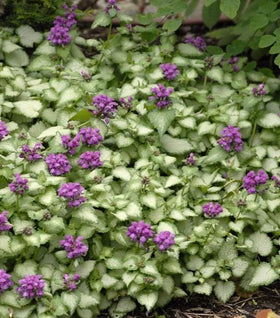
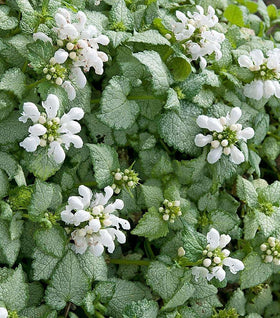


Fill shady beds with fast, bright coverage.
Lamium is a smart buy when you want a shade groundcover that looks “designed” quickly. It spreads to create a low, textured carpet, and the silver foliage reflects light—so darker beds feel brighter without adding hardscape or constant annual color. In landscape use, spotted deadnettle is repeatedly recommended for shaded areas and evenly moist, well-drained sites, and it’s valued for tolerating drier shade once established.
This is also a practical choice for problem areas: under trees where roots compete for water, around shrubs where mowing is awkward, and in narrow side-yard strips that need a clean finish. When lamium fills in, it reduces the “mulch crater” look and gives you a living ground layer that stays attractive beyond bloom season—especially in variegated cultivars that carry silver and green patterning for months.
And if wildlife pressure is part of your buying decision, extension guidance notes spotted deadnettle is not favored by deer or rabbits in many situations (local conditions vary).
Love the foliage first, then enjoy the blooms.
Lamium earns its keep with foliage. Many cultivars are grown specifically for their silver leaves with green margins, creating a crisp, bright contrast that pairs well with hostas, ferns, hellebores, and hydrangeas. Even when flowers aren’t front and center, the foliage mat keeps beds looking finished—especially in part shade, where leaf color reads cleaner and less stressed.
The blooms are the bonus season. Cultivars like ‘White Nancy’ are described as producing clusters of small, hooded white flowers in late spring and sporadically through summer, while other selections bring purples and pinks for a longer color run. This is why lamium is such a strong value purchase: it’s not “flowers for two weeks.” It’s leaf color for the long haul, with periodic bloom moments that add charm without extra work.
In mild-winter areas, spotted deadnettle can be evergreen, adding another layer of off-season value in the shade garden.
Plant it where shade and drainage do the work.
Lamium performs best where the conditions match its strengths: shade to part shade, average soil, and evenly moist but well-drained sites. It tolerates dry soil, but it does not do well in compacted or wet soils, and it can decline in high heat and humidity. That’s your placement cheat code: give it relief from harsh afternoon sun and avoid low spots that stay wet.
For spacing, plan for a spreading mat. Multiple grower resources commonly list 12–24 inches as a practical spacing range, depending on cultivar size and how quickly you want the groundcover to knit together. Tighter spacing gives faster coverage (great for weed suppression and “instant finish”), while wider spacing improves airflow and reduces the need for midseason touch-ups—especially in humid climates.
If you’re planting on a slope or a bed edge, lamium can soften the line beautifully while still reading clean and intentional. Just keep the crown out of wet pockets and let the foliage spread naturally.
Keep it fresh with a quick shear and simple watering.
Lamium care is refreshingly straightforward. Water consistently while plants establish, then aim for “even moisture” rather than constant wetness. The biggest avoidable problem is overly moist soil; crown or stem rot can occur when soil remains too wet. In full shade, it can be quite low-care; with more sun, it typically needs more consistent watering.
When plants get leggy or summer-stressed, shear them back. Wisconsin Extension notes that in hot, humid climates, foliage may decline in midsummer and plants may be cut back or sheared to stimulate new growth. That quick haircut is the easiest way to keep the planting looking crisp and to trigger a fresh flush of leaves.
One responsible planning note: some sources caution that spotted deadnettle can be invasive in certain regions, so it’s wise to site it thoughtfully and keep edges managed where spread could become unwanted. Do the simple basics—shade, drainage, spacing, and an occasional shear—and lamium delivers the bright, finished groundcover look you’re buying for, backed by the We Grow Together Promise.