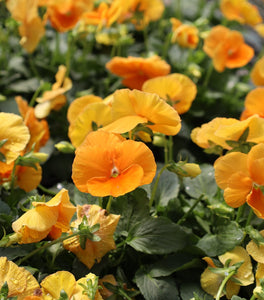
Images Depict Mature Plants
Carolina Orange Dahlia
Dahlia Carolina Orange
Carolina Orange Dahlia is one of those summer flowers that never disappears into the background. The color is bold, warm, and full of energy, and it works just as well in a patio container as it does in a sunny border or cutting bed. I especially like it when a planting needs one flower to carry a lot of the summer show. For homeowners looking for a bright seasonal focal point, a strong patio bloomer, or a cut flower with real presence, this is a great choice.

15% OFF SITEWIDE SALE
Use Code 'PRIMETIME15' At Checkout
📦 Free shipping on orders over $99.
Share:

Bold Carolina Orange Dahlia Blooms For Summer Color And Patio Garden Impact
Warm Orange Flowers That Light Up Summer Plantings
Carolina Orange Dahlia brings a bright, energetic look to the garden with blooms that glow in shades of orange, sunset coral, and warm tangerine. That color instantly adds life to patio pots, mixed borders, porch planters, and cutting beds where strong summer flowers help carry the season. The blooms stand out beautifully against green foliage and pair especially well with purples, burgundies, whites, and chartreuse accents.
This is the kind of flower color that makes a planting feel lively and intentional. It is warmer and brighter than soft pink or white, but still easy to design with in both bold and classic combinations. For homeowners looking for a dahlia that adds heat and richness to summer containers and beds, Carolina Orange Dahlia is a standout choice.
A Long-Blooming Summer Flower That Keeps Going
One of the biggest reasons gardeners love dahlias is their long bloom season. Carolina Orange Dahlia can flower from summer into fall, helping containers, borders, and cutting gardens stay colorful well after many earlier bloomers have faded. With regular deadheading and steady care, it can keep producing one wave of flowers after another during the warmest part of the season.
That long performance makes it especially useful when you want a single plant to do a lot of visual work. Instead of a short bloom window, dahlias reward attention with extended color and repeat flowering, which makes them a smart choice for homeowners who want dependable seasonal impact.
Perfect For Patio Pots, Sunny Borders, And Cutting Gardens
Carolina Orange Dahlia is especially well-suited to container gardens and sunny outdoor living spaces where its bloom color can be enjoyed up close. In pots, it acts as a focal point and combines beautifully with trailing spillers or softer companion flowers. In sunny borders, it adds mid- to late-season color and mixes well with ornamental grasses, salvias, lantanas, and other heat-loving plants.
It is also a great candidate for cutting gardens. Dahlias are prized for their repeat-flower production and showy blooms, and orange varieties add a particularly vibrant touch to summer arrangements. For homeowners who want one plant to perform in both the garden and the vase, Carolina Orange Dahlia offers a lot of value.
Best Performance Comes From Sun, Drainage, And Simple Care
Carolina Orange Dahlia performs best in full sun with fertile, moist but well-drained soil. Good drainage is especially important because dahlias dislike wet feet and can struggle in soggy conditions. Regular watering once actively growing, along with deadheading spent flowers and moderate feeding, helps keep the plant blooming strongly through the season.
That care routine is straightforward and rewarding. Give it bright light, keep the soil from staying overly wet, and remove faded blooms regularly, and the plant usually responds with continued flower production. For homeowners looking for a summer showpiece with vivid color and strong repeat bloom, Carolina Orange Dahlia is an excellent choice.

| Hardiness Zone: | 8-11 |
|---|---|
| Mature Height: | 8 to 12 inches |
| Mature Width: | 10 to 15 inches |
| Sunlight: | Full sun; at least 6 hours is best |
| Bloom Time / Color: | Bloom Time / Color |
| Soil Condition: | Fertile, moist but well-drained soil |
| Water Requirements: | Water regularly once growing; avoid soggy soil |
| Wildlife Value | Attractive to pollinators |
| Resistance (deer/disease/drought/etc.) | Sensitive to poorly drained soil |
| Landscape Uses | Containers, patio pots, cutting gardens, sunny borders, seasonal focal points |
How to Care for Carolina Orange Dahlia
After purchasing your Carolina Orange Dahlia, be sure to read our care instructions to keep your plant happy and healthy.

How should I plant Carolina Orange Dahlia?
Plant Carolina Orange Dahlia in a sunny location with fertile, well-drained soil. It performs especially well in containers, patio planters, and sunny garden beds where the roots can stay moist but not waterlogged. If growing from tubers, wait until frost danger has passed and the soil has warmed before planting. In containers, choose a pot with drainage holes and use a quality potting mix. In garden beds, give the plant enough room for airflow and sunlight so it can stay healthy and bloom well through the season.

How often should I water Carolina Orange Dahlia after planting?
Once Carolina Orange Dahlia is actively growing, water regularly enough to keep the soil evenly moist but not soggy. Container-grown plants may need more frequent watering in hot weather because pots dry out faster than garden beds. The goal is steady moisture without saturated soil. Deep watering is better than frequent light sprinkling because it supports stronger roots and more reliable flowering.

When should I fertilize Carolina Orange Dahlia?
Carolina Orange Dahlia benefits from moderate feeding during the growing season. A balanced fertilizer at planting or early growth helps support healthy stems and flower production, especially in containers where nutrients wash out more quickly. Avoid overdoing nitrogen, since too much leafy growth can reduce flowering. Regular but moderate feeding usually produces the best bloom performance through summer and into fall.ed Dahlia benefits from fertile soil and moderate feeding through the growing season. A balanced fertilizer at planting or early growth helps support strong stems and flower production, especially in containers or lean garden soil. Avoid overdoing nitrogen, since too much lush foliage can come at the expense of flowers. In many gardens, steady feeding paired with good sunlight and drainage is enough to keep dahlias blooming well.

When and how should I prune Carolina Orange Dahlia?
Carolina Orange Dahlia benefits most from deadheading rather than heavy pruning. Remove spent flowers by cutting back to a main stem so the plant can direct energy into new buds and additional blooms. Some gardeners also pinch young plants early to encourage branching and more flower stems. Beyond that, routine cleanup and deadheading are usually all that is needed to keep the plant blooming strongly.