
Fall-Blooming Shrubs for Late-Season Color & Pollinator Appeal
Keep color coming when summer fades and the garden needs a finale.
Fall-blooming shrubs are the shortcut to a landscape that still looks “in season” when everything else starts to slow down. Instead of watching beds go quiet after summer, you get fresh flowers and late color right when homeowners are back outside again, cool evenings, fire pits, football weekends, and front-porch weather. This collection tends to feature a mix of late bloomers and rebloomers (think shrubs that flower well into late summer/fall, plus some that come back for a second or third round), so you can keep a steady rhythm of color without replanting.
The easiest way to succeed is to shop by timing: many summer-and-fall bloomers flower on new growth, so a clean prune in late winter/early spring can set up heavier flowering later in the year, while spring bloomers are typically pruned right after they flower, so you don’t remove next year’s buds. Keep plants in the sun/part-sun range for the strongest bloom on most late-season performers, and give them room for airflow so foliage stays cleaner as nights get cooler. You’re backed by the We Grow Together Promise.


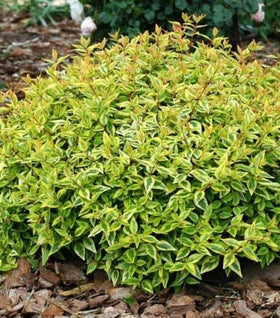
Autumn Bonfire® Encore® Azalea
$89.95

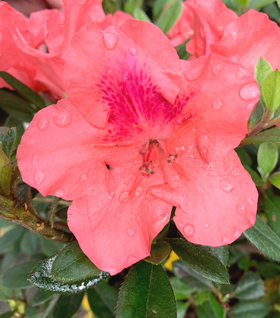


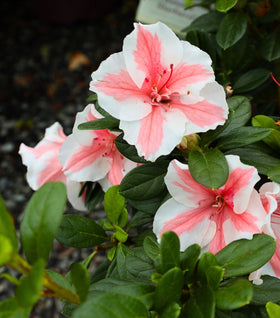
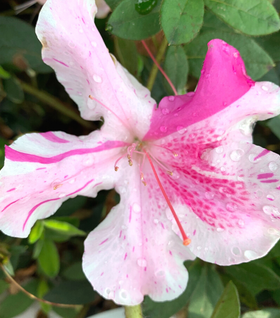
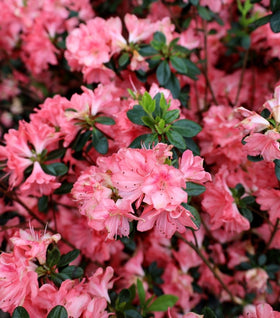
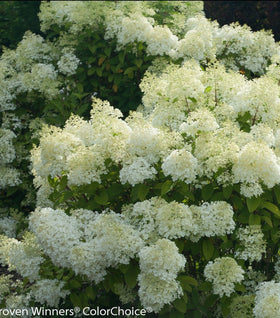

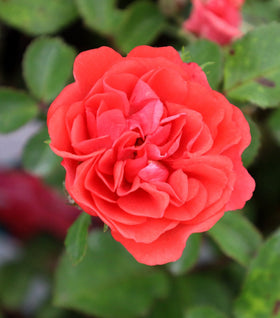
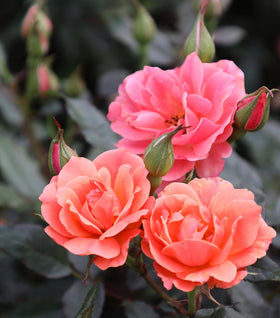
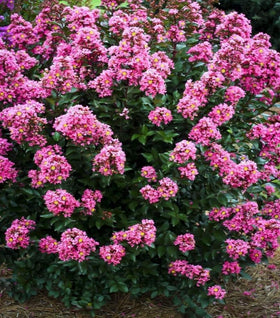


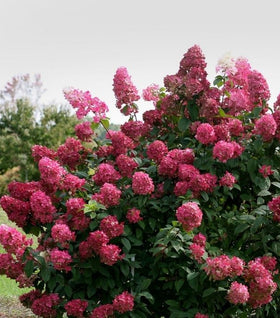
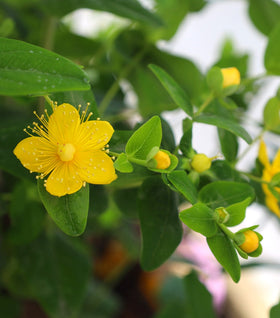
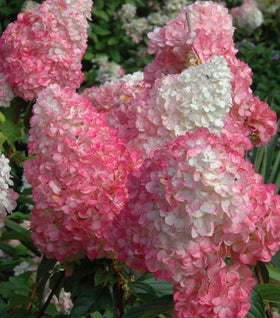
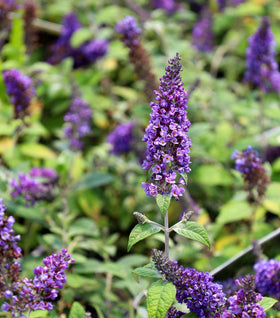
First Editions® Vanilla Strawberry™ Hydrangea
$99.95
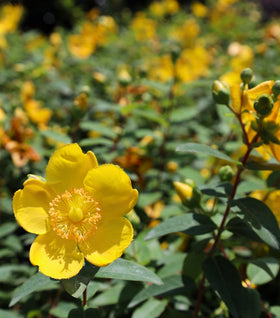


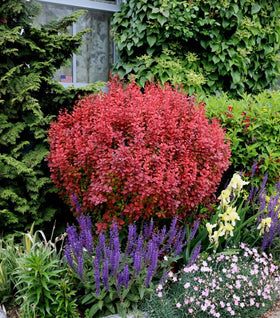
Lo & Behold® 'Blue Chip Jr.' Butterfly Bush
$99.95




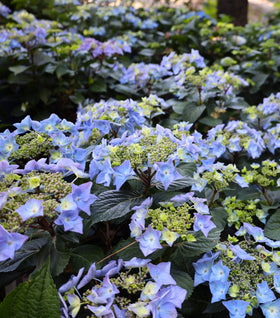


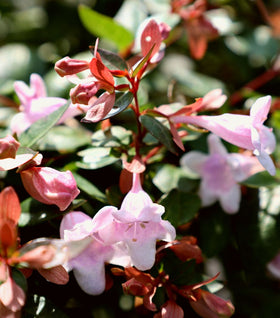
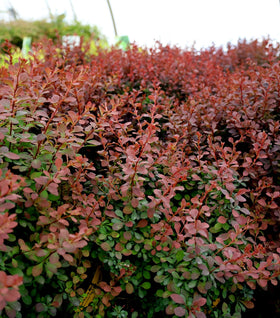


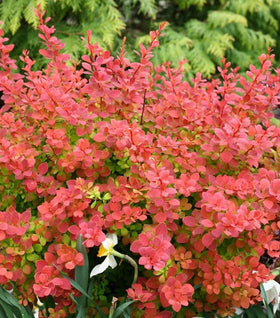


Late-season color that finishes the landscape strong.
Fall-blooming shrubs earn their spot because they extend the show, flower when many beds are fading, and offer the kind of curb appeal that feels fresh right through autumn. When you add even a few late bloomers to a foundation bed or front border, the whole property looks more intentional in September and October, not “tired and done.”
This category is also a practical move for pollinator support. Late blooms help bridge the gap as nectar sources shrink, and that’s why many gardeners intentionally plan for late-season flowering in mixed borders and along sunny edges. The visual benefit is obvious; the ecological benefit is a bonus that makes the planting feel even more worthwhile.
Design tip: treat fall bloomers like “headline plants,” not fillers. Use them in repeat groups (3–7) so the color reads as a planned feature, then frame that color with evergreen structure or fall foliage shrubs for contrast. The result is a bed that looks composed, not accidental.
What you’re getting: blooms, forms, and timing you can count on.
Bloom windows vary by shrub, but the collection goal is consistent: color from late summer into fall, and in some cases, true fall blooming (into October in the right climate). Many well-known late bloomers, like 'Little Lime' Hydrangea, are widely described as flowering from midsummer through fall, which is why they’re staples for late-season color.
Mature size also spans a useful range, from compact shrubs that stay foundation-friendly to larger shrubs that can anchor the back of a border or form an informal screen. Because size varies by species and cultivar, the “easy maintenance” path is to choose the mature footprint you actually have, then let the shrub maintain its natural form with only light shaping.
Growth rate tends to be steady to fast for many late-season performers (especially those used for screening or with strong seasonal impact), but establishment care determines how quickly you see results. Consistent watering in year one and reduced competition from turf around the root zone are the simplest ways to speed up “looks established” without stressing plants.
Planting spots that make fall bloom pop.
Most fall bloomers do best in full sun to part shade, with brighter light driving heavier flowering and denser growth. If you want maximum late-season bloom, prioritize sun first—then use part shade as your “heat relief” option in hotter exposures.
Soil should drain well and maintain consistent moisture during establishment. Late-season shrubs often bloom when the weather is drier, and drought stress can reduce flowering and shorten the display, so mulch and a simple watering plan can make a noticeable difference in how long blooms last.
Spacing should follow mature width and airflow goals. A practical planning range for many medium shrubs is roughly 3–6 feet apart, depending on cultivar size and whether you want a continuous mass or distinct mounds; give more room to larger growers and tighter spacing only when you’re intentionally building a hedge-like effect.
Simple care that protects next year’s flowers.
Pruning timing is the main lever of confidence. Many shrubs that flower on new wood can be pruned in early spring as growth begins, which preserves the season’s bloom potential while keeping plants compact and full. This is a great match for many summer-to-fall bloomers.
For shrubs that set buds on old wood (common among many spring bloomers), prune right after flowering, otherwise you risk removing next year’s buds. If you’re unsure which camp a shrub falls into, prune lightly and avoid late-season pruning that can stimulate tender growth before winter.