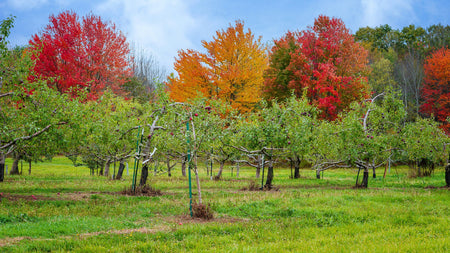
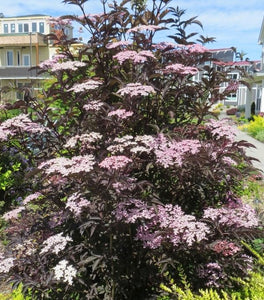
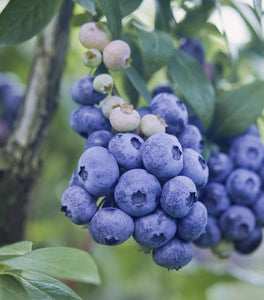
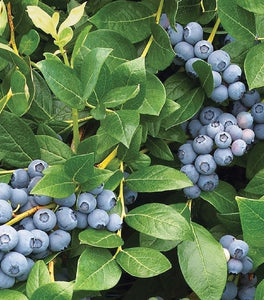
Images Depict Mature Plants
Johns Elderberry
Sambucus canadensis 'Johns'
Johns Elderberry is a plant I’d point to when someone wants their landscape to do more than just look good. It gives you native character, big clusters of white flowers, dark edible berries for syrup and preserves, and the kind of vigorous growth that makes a planting feel abundant in a hurry. I especially like it in edible landscapes and wildlife gardens, where a shrub should earn its space in more than one way. If you pair it with another elderberry for pollination, it becomes an even better long-term investment for both harvest and habitat.

15% OFF SITEWIDE SALE
Use Code 'PRIMETIME15' At Checkout
📦 Free shipping on orders over $99.
Delay shipping by leaving us a message at Checkout.
Share:

Native Edible Elderberry with Vigorous Growth and Heavy Fruit Potential
A Native Fruiting Shrub with Real Harvest Value
Johns Elderberry is a strong choice for homeowners who want a native fruiting shrub that offers both landscape value and a meaningful edible harvest. This vigorous American elderberry selection is known for its productive nature, broad clusters of dark berries, and upright, substantial growth that helps it stand out in home orchards, edible borders, and naturalized plantings. For gardeners interested in elderberries for syrup, jelly, wine, or seasonal harvesting, Johns brings the kind of fruiting potential that makes the planting feel worth the space.
What makes this cultivar especially appealing is the balance between ornamental and practical use. In spring to early summer, it produces large flat clusters of white flowers that brighten the plant and support pollinators. Later in the season, those blooms give way to glossy purple-black fruit clusters that add visual appeal before harvest. Even when the berries are not the main focus, Johns Elderberry still contributes a full, lush, green presence that helps soften fences, define property edges, and support more natural landscape designs.
For homeowners who want a shrub that does more than simply fill space, this elderberry delivers multiple seasons of return on investment. It brings flowers, fruit, wildlife support, and a generous habit that feels useful in both ornamental and edible garden settings. That combination makes it one of the more rewarding native shrubs for gardeners who want beauty with purpose.
It is also a plant that fits beautifully into larger garden ideas. Whether used in a native border, a pollinator planting, a rain-friendly edge, or an edible hedgerow, Johns Elderberry adds movement, softness, and productivity to the landscape, rather than just background greenery.
Large Berry Clusters and Strong Seasonal Interest
One of the main reasons gardeners seek out Johns Elderberry is its fruiting performance. This cultivar is known for producing noticeably larger fruit clusters, with dark berries that ripen in late summer and are widely used for preserves, syrups, juice, and home processing. That makes it especially appealing to gardeners who want a berry plant that offers both ornamental interest and a useful crop.
The flowers are another important part of the appeal. Large white bloom clusters arrive ahead of the fruit and help make the shrub feel lively and valuable earlier in the season. The flowers themselves add texture and softness, and they also help draw pollinating insects into the garden. That early seasonal display gives Johns Elderberry more design value than many purely fruit-focused shrubs, which can sometimes look plain until harvest time.
As the season progresses, the fruit becomes the main attraction. The glossy dark berries contrast beautifully against the green foliage, giving the shrub a richer late-season look. For homeowners who want a productive garden that still feels attractive and intentional, this is the kind of plant that checks both boxes. It looks at home in edible landscapes, but it also blends naturally into more ornamental mixed plantings.
That sequence of flowers, fruit, and lush summer growth helps Johns Elderberry carry the landscape through much of the growing season. It is not just a one-moment plant. It provides changing interest over time, which makes it much easier to justify in gardens where every shrub needs to offer more than one reason to be planted.
A Smart Fit for Native Plantings, Edible Borders, and Wildlife Gardens
Johns Elderberry works especially well in landscapes where gardeners want a looser, more natural look without sacrificing usefulness. Its vigorous, upright habit makes it well-suited to native borders, backyard orchard spaces, edible hedgerows, and informal screening. It can also be used at the back of mixed shrub beds where its flowers and fruit can rise above lower perennials and companion shrubs. In the right setting, it brings both abundance and softness to the planting.
Its mature size gives it real presence. John's Elderberry is commonly listed in the range of roughly 8 to 12 feet tall, with a broad spread that makes it substantial enough to serve as a backdrop or a large specimen shrub. That scale is especially useful in wildlife gardens and larger residential plantings where a small shrub would disappear too easily.
This is also a very strong plant for wildlife-minded gardeners. The flowers can support pollinating insects, the berries are useful to birds, and the dense seasonal growth contributes habitat value. In gardens where layered ecological function matters, elderberries are often more valuable than they first appear because they support multiple kinds of garden life across the season.
Because it is a native American elderberry selection, it feels especially appropriate in regional and naturalistic planting styles. It can be tucked into the edge of a native garden, used as a productive shrub in a cottage-style border, or planted where homeowners want a more intentional connection between ornamental gardening and homegrown harvest.
Pollination, Pruning, and Easy Long-Term Performance
One of the most important things to understand about Johns Elderberry is pollination. For the best fruit production, it should be planted with another elderberry variety rather than grown alone. Multiple sources note that Johns is not reliably self-pollinating and yields better when paired with another compatible elderberry, such as Adams or a wild American elderberry selection. For gardeners planting with harvest in mind, this is a key success factor.
In terms of care, Johns Elderberry is fairly accommodating. It grows best in full sun to part shade and prefers evenly moist, well-drained soil, though elderberries are generally more tolerant of moisture than many fruiting shrubs. Once established, it becomes a vigorous, resilient plant that needs relatively little pampering beyond watering during dry periods, periodic feeding, and pruning to maintain strong fruiting wood.
Pruning is usually simple and productive rather than ornamental. Gardeners often remove older canes to encourage fresh, vigorous growth and to keep the shrub manageable. That makes Johns Elderberry especially useful for homeowners who want a productive plant that can be renewed and refreshed, rather than one that becomes more troublesome each year.
For anyone looking for a native edible shrub with real harvest potential, strong wildlife value, and a broad, useful landscape role, Johns Elderberry is an excellent fit. It has the kind of vigor and productivity that make it feel generous in the garden, which is exactly what many homeowners want from an edible landscape planting.
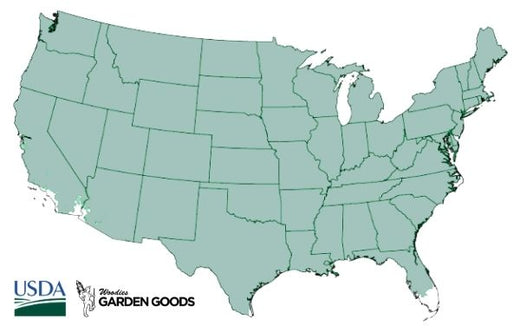
| Growth Zone: | 3-9 |
|---|---|
| Mature Height: | 8 to 12 feet |
| Mature Width: | 8 to 10 feet |
| Sunlight: | Full sun to part shade |
| Bloom Time / Color: | Late spring to early summer; white flower clusters |
| Soil Condition: | Moist, well-drained to occasionally wet soil; adaptable, prefers fertile soil |
| Water Requirements: | Moderate to regular; best with even moisture, especially during fruit sizing |
| Wildlife Value: | Supports pollinators, provides berries for birds, adds habitat value |
| Resistance (deer/disease/drought/etc.): | Vigorous, adaptable, relatively easy-care; fruiting improves with cross-pollination |
| Landscape Uses: | Edible landscape, native border, wildlife garden, informal hedge, screening, rain-friendly planting |
How to Care for Johns Elderberry
Be sure to read our planting instructions to ensure healthy and happy Johns Elderberry Shrubs for years to come!
-v1773859518754.png?92x91)
How should I plant Johns Elderberry?
Plant Johns Elderberry in full sun to part shade in fertile, moisture-retentive soil with good drainage. Dig a hole about twice as wide as the root ball and no deeper than the root ball itself, then set the plant so the top of the root ball sits level with or slightly above the surrounding soil. Backfill with native soil, water deeply, and mulch around the base to help conserve moisture and reduce weed competition. For best fruit production, plant Johns near another elderberry variety so the flowers can cross-pollinate and set a heavier berry crop.
-v1773859519555.png?89x84)
How often should I water Johns Elderberry after planting?
Water Johns Elderberry deeply right after planting, then keep the soil consistently moist during the first growing season. Elderberries perform best when they do not dry out for long stretches, especially while roots are getting established and while fruit is forming. Once established, continue watering during extended dry spells, particularly in hot weather or sandy soil. This shrub is more tolerant of moisture than many fruiting plants, and steady watering usually supports better flowering, fruit sizing, and overall vigor.
-v1773859520391.png?90x89)
When should I fertilize Johns Elderberry?
Fertilize Johns Elderberry in early spring as new growth begins, using compost, balanced slow-release fertilizer, or another feeding plan suited to fruiting shrubs. A moderate spring feeding helps support vigorous cane growth, flower production, and later berry development. Avoid excessive late-season fertilizing, since that can push tender new growth when the plant should be shifting toward maturity. In many gardens, rich soil, annual compost, and a reasonable spring feeding schedule are enough to keep elderberries productive and healthy.

When and how should I prune Johns Elderberry?
Prune Johns Elderberry in late winter to early spring before strong new growth begins. Most pruning focuses on removing older, weak, or damaged canes and keeping the shrub open enough for light and airflow. Because elderberries fruit well on vigorous newer growth, renewal pruning can help maintain strong productivity over time. A plant that is lightly thinned and refreshed regularly is usually easier to harvest, easier to manage, and more reliable from season to season.