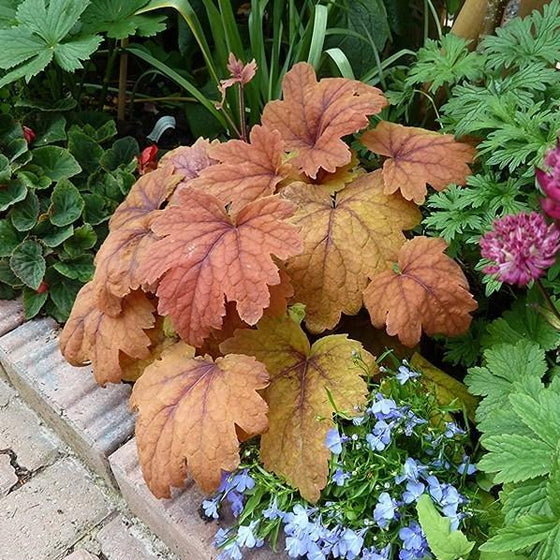


Images Depict Mature Plants
Sweet Tea Heucherella
Heucherella x 'Sweet Tea' Plant Patent #21296
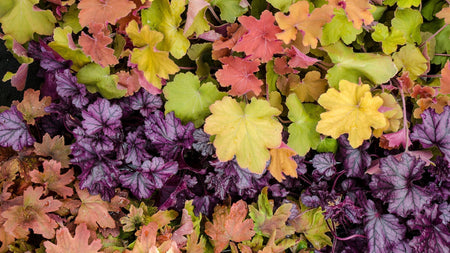
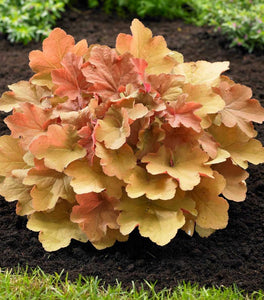
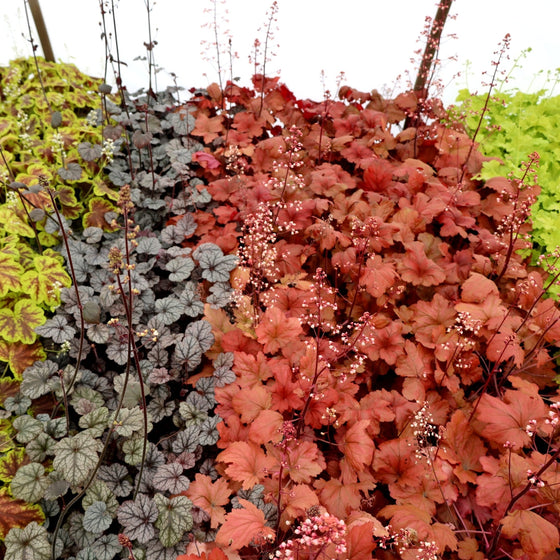
Sweet Tea Heucherella brings a color range to shade gardens that is hard to replace. The cinnamon-orange foliage warms up dark planting areas, and its larger habit gives it enough presence to work as a focal point in containers or mixed borders. I especially like it paired with blue hostas, green ferns, and dark purple Heuchera, where the warm foliage really glows. Its deer-resistant foliage and pollinator-friendly flowers make it as practical as it is beautiful.

15% OFF SITEWIDE SALE
Use Code 'PRIMETIME15' At Checkout
📦 Free shipping on orders over $99.
Delay shipping by leaving us a message at Checkout.
Share:Recommended Add-Ons



Warm Cinnamon-Orange Foliage for Shade Gardens
Bold Tea-Colored Leaves with Seasonal Depth.
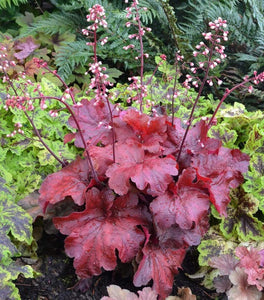
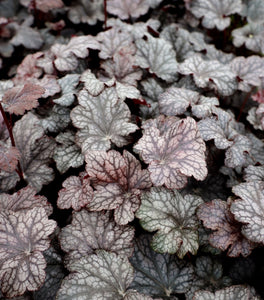
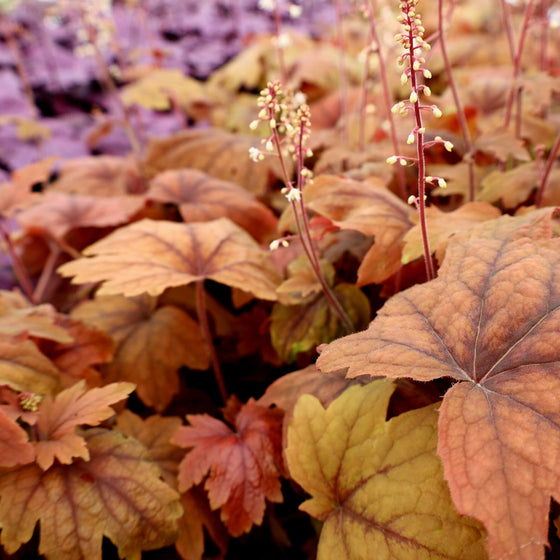
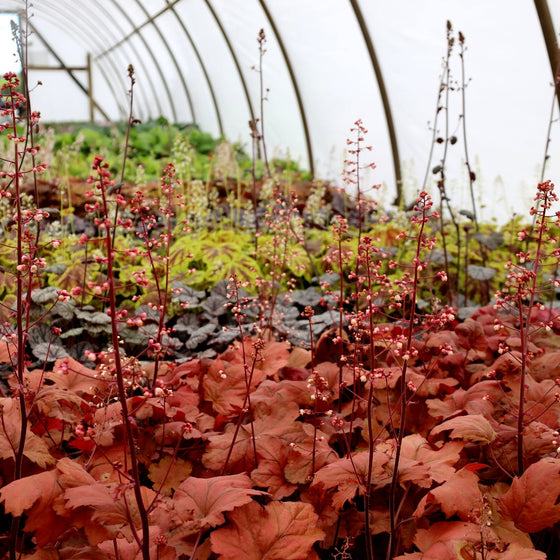
Sweet Tea Heucherella is a standout foliage perennial known for its large, maple-like leaves in warm shades of cinnamon, orange, copper, and tea-toned bronze. The foliage emerges bright and colorful in spring, deepens through summer, and often brightens again in fall, creating a long season of interest in shaded and partly shaded spaces. Its rich color makes it especially useful for gardeners who want something more dramatic than traditional green shade foliage.
A Bigger, Bolder Foamy Bells for High-Impact Planting.
This Heucherella has a broad, mounding habit with substantial foliage, giving it more presence than many smaller coral bells or foamy bells varieties. It works beautifully as a focal point in mixed-shade containers, as a warm-color accent in woodland gardens, or as a repeated element along the front of shaded borders. The bold leaves pair especially well with blue-green hostas, dark-leaved Heuchera, glossy ferns, golden carex, hellebores, and shade-loving shrubs.
Delicate White Flowers Above Colorful Foliage.
In late spring to early summer, Sweet Tea Heucherella produces airy stems of small white flowers that rise above the foliage. While the foliage is the main ornamental feature, the flowers add a soft, graceful layer and help attract pollinators such as bees, butterflies, and hummingbirds. The combination of colorful leaves and light flower sprays gives this perennial both landscape color and seasonal movement.
Easy-Care Color for Part Shade and Filtered Light.
Sweet Tea Heucherella performs best in part shade, filtered light, or morning sun with afternoon shade. In cooler climates, it may tolerate more sun if the soil stays evenly moist, but in hotter regions, afternoon protection helps preserve foliage quality. Plant it in enriched, well-drained soil and avoid areas where water collects around the crown. Consistent moisture during establishment helps the plant root in strongly and maintain its best color.
Deer-Resistant Foliage with Container and Border Versatility.
Sweet Tea Heucherella is a strong choice for deer-prone shade gardens because its textured foliage is generally less appealing to deer than that of many softer perennials. It is also excellent in containers, where its warm foliage can anchor shade combinations from spring into fall. In mild winter climates, it may remain evergreen to semi-evergreen, while in colder regions older foliage may decline before fresh growth returns in spring.
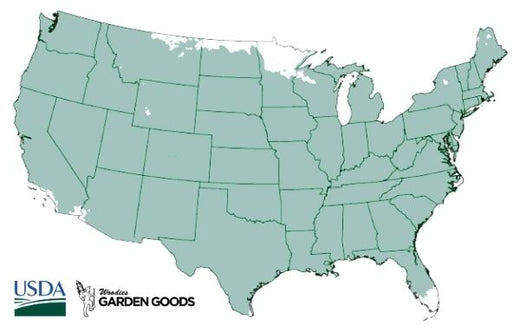
| Hardiness Zone: | 4-9 |
|---|---|
| Mature Height: | 18 to 20 inches tall; flower stems can reach 24 to 27 inches tall |
| Mature Width: | 24 to 28 Inches |
| Sunlight: | Part shade to full shade; tolerates morning sun or more sun in cooler climates |
| Soil | Enriched, humusy, well-drained soil |
| Water Requirements: | Moderate; keep evenly moist during establishment and avoid soggy soil |
| Bloom Time / Color | Late spring to midsummer; white flowers |
| Foliage | Evergreen to semi-evergreen in mild climates; Large maple-like leaves in cinnamon, orange, copper, bronze, and tea-toned shades |
| Ornamental Features | Warm colorful foliage, bold mounding habit, airy white flowers, seasonal color shifts |
| Wildlife Value | Flowers attract bees, butterflies, and hummingbirds |
| Resistance | Deer resistant; generally rabbit resistant; heat and humidity tolerant with adequate shade and moisture |
| Landscape Uses | Shade borders, woodland gardens, containers, edging, mass plantings, foundation beds, specimen foliage plant |
How to Care for Sweet Tea Heucherella
After purchasing your Sweet Tea Heucherella, be sure to read our recommended care instructions to guarantee a happy and healthy plant.

How should I plant Sweet Tea Heucherella?
Plant Sweet Tea Heucherella in part shade, filtered light, or a site with morning sun and afternoon shade. Choose soil that is enriched with organic matter and drains well, since Heucherella performs best when the roots stay evenly moist but the crown does not sit in wet soil. Before planting, loosen the surrounding soil and mix in compost to improve structure, drainage, and moisture balance. Set the crown level with or slightly above the surrounding soil surface, then backfill gently and water thoroughly. Avoid planting too deeply, as buried crowns are more prone to rot, especially in winter. Space plants about 24 to 28 inches apart to allow the broad foliage mound to develop fully in borders, containers, and woodland-style plantings.

How often should I water Sweet Tea Heucherella after planting?
Water Sweet Tea Heucherella deeply after planting and keep the soil evenly moist through the first growing season. Check the soil regularly and water when the top inch or two begins to dry. Container-grown plants may need more frequent watering, especially during warm weather or when grown under covered porches where rainfall does not reach the pot. Once established, Sweet Tea Heucherella is relatively easy to maintain, but it still looks best with consistent moisture during hot or dry periods. Avoid both extremes: do not allow the plant to dry out completely for long stretches, and do not let it sit in soggy soil. A light mulch layer around the root zone can help conserve moisture, but keep mulch away from the crown.
-v1777913648403.png?90x89)
When should I fertilize Sweet Tea Heucherella?
Fertilize Sweet Tea Heucherella in early spring as new growth begins. Use a balanced slow-release fertilizer or topdress with compost to support healthy foliage, strong roots, and seasonal flowering. This plant does not require heavy feeding to maintain its colorful leaves. Avoid over-fertilizing with high-nitrogen products, which can encourage soft growth and reduce the plant’s naturally tidy habit. For container-grown Sweet Tea Heucherella, refresh the potting mix as needed and use a gentle slow-release fertilizer in spring to keep the foliage full and vibrant throughout the growing season.

When and how should I prune Sweet Tea Heucherella?
Prune Sweet Tea Heucherella in early spring by removing any winter-damaged, tired, or discolored foliage before fresh new leaves fill in. Use clean pruners and cut old leaves close to the base while avoiding damage to the crown. This simple spring cleanup helps the plant look fresh and encourages a full mound of new growth. After flowering, spent bloom stems can be cut back to the base if you prefer a neater appearance. During the growing season, remove damaged leaves as needed. In colder regions, leave healthy foliage in place through winter to help protect the crown, then clean up the plant once new spring growth begins.