

Images Depict Mature Plants
Godzilla Japanese Painted Fern
Athyrium niponicum 'Godzilla'
Godzilla Japanese Painted Fern is the fern I would use when a shade garden needs something big, bold, and unexpected. It gives you the silver and purple coloring of Japanese Painted Fern, but with a much larger presence that can anchor a whole section of a woodland bed. I especially like it with large hostas, hellebores, heuchera, astilbe, Japanese forest grass, and Autumn Fern, where the oversized silver fronds can create real drama in the shade.

15% OFF SITEWIDE SALE
Use Code 'PRIMETIME15' At Checkout
📦 Free shipping on orders over $99.
Delay shipping by leaving us a message at Checkout.
Share:

Giant Silver Foliage for Dramatic Shade Gardens
Oversized silver fronds with purple stems.
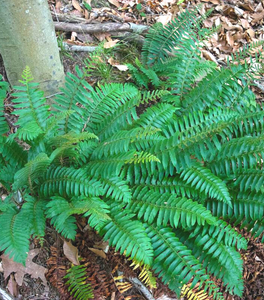
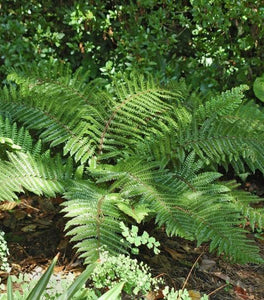
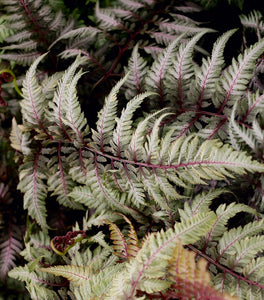
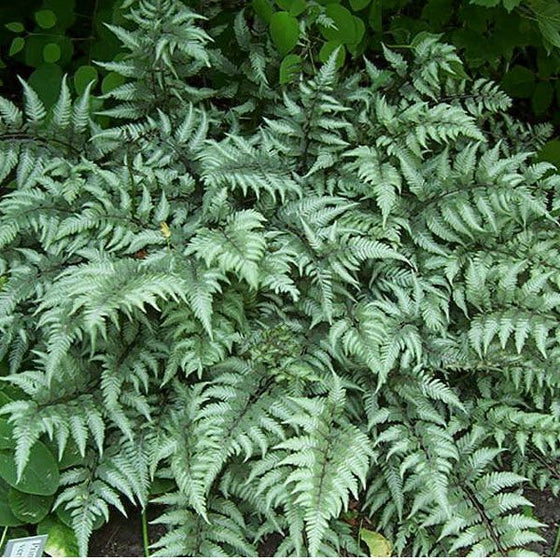
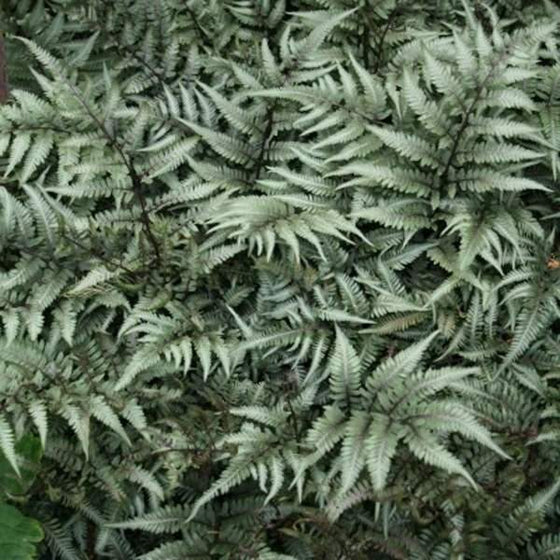
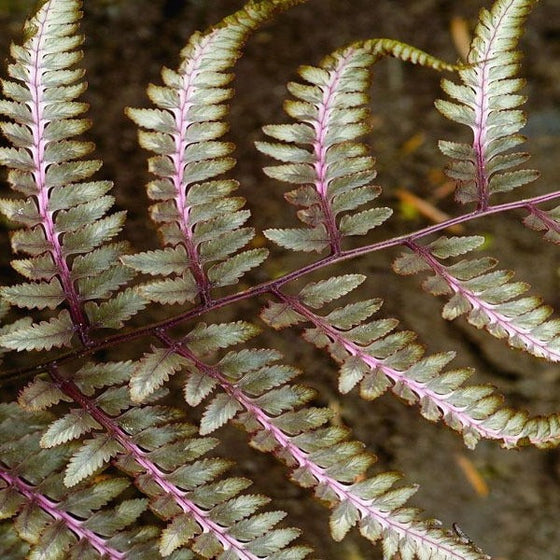
Godzilla Japanese Painted Fern delivers the beautiful silver-green foliage of a painted fern in a much larger, more dramatic form. Its arching fronds are brushed with silvery-gray and green highlights, while deep-purple stems and midribs add contrast and depth. This combination gives shaded gardens a luminous, layered look that stands out beautifully against dark mulch, stone, hostas, hellebores, heuchera, carex, and other shade-loving plants.
A giant painted fern for statement texture.
Athyrium Godzilla earns its name with a massive clump-forming habit that can become much larger than the standard Japanese Painted Fern. In the right site, it creates a broad, arching mound that brings height, movement, and drama to woodland borders and shaded foundation beds. Use it where homeowners want a fern that feels substantial enough to act as a focal point, background planting, or large-scale foliage accent.
Beautiful in woodland gardens and shaded borders.
Godzilla Japanese Painted Fern is especially effective in woodland gardens, shaded slopes, north-facing beds, and under open-canopy trees where its large fronds can spread naturally. It pairs beautifully with larger hostas, astilbe, hellebores, brunnera, foamflower, Japanese forest grass, and shade shrubs such as azaleas and Mountain Laurel. The silver foliage helps brighten darker corners, while the purple stems add a refined color note, keeping the planting interesting even without flowers.
Deer-resistant foliage with low-maintenance appeal.
Godzilla Japanese Painted Fern is commonly considered deer-resistant and rabbit-resistant, making it a practical foliage plant for shaded landscapes where browsing pressure can be frustrating. Once established at the right site, it is low-maintenance and generally easy to grow. The key is to provide part shade to full shade, organically rich soil, and steady moisture, especially while the plant is young and building its large root system.
A bold fern that needs room to grow.
This is not a tiny edging fern; Godzilla Japanese Painted Fern needs space to show off its mature size and arching habit. Plant it where the wide clump can spread without crowding smaller perennials, or use it as a single specimen in a shaded bed where its foliage can be viewed up close. In colder climates, it behaves as a deciduous perennial fern, dying back in winter and returning in spring with fresh new fronds.
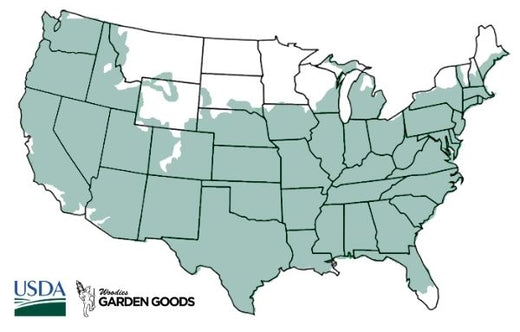
| Hardiness Zone: | 5-9 |
|---|---|
| Mature Height: | 2 to 3 feet |
| Mature Width: | 3 to 6 feet |
| Sunlight: | Part shade to full shade; tolerates filtered sun or morning sun with consistent moisture |
| Soil | Moist, humusy, organically rich, well-drained soil; slightly acidic to neutral soil preferred |
| Water Requirements: | Water regularly after planting; prefers even moisture but may tolerate some dry shade once established |
| Bloom Time / Color | Ferns do not flower; grown for silver-green fronds with purple-red stems and midribs |
| Foliage | Large arching silver-gray to silver-green fronds with green highlights and deep purple stems |
| Ornamental Features | Giant painted foliage, silver fronds, purple stems, arching habit, dramatic shade-garden texture |
| Wildlife Value | Provides shade-garden texture and habitat structure |
| Resistance | Deer resistant and rabbit resistant in many landscapes; shade tolerant and low maintenance in moist, well-drained soil |
| Landscape Uses | Woodland gardens, shade borders, large shade beds, under-tree plantings, shaded foundations, north-facing beds, mass plantings, specimen plantings, and mixed perennial beds |
How to Care for Godzilla Japanese Painted Fern
Before you buy a Godzilla Japanese Painted Fern, make sure to read about the care instructions that are recommended to keep this plant healthy and thriving.
-v1777841925087.png?92x91)
How should I plant Godzilla Japanese Painted Fern?
Plant Godzilla Japanese Painted Fern in part shade to full shade with moist, humusy, well-drained soil. A site with morning sun and afternoon shade, filtered woodland light, or bright open shade is ideal, especially in warmer climates where hot afternoon sun can scorch or stress the fronds. Dig a hole about twice as wide as the root ball and set the crown level with the surrounding soil. Backfill, water deeply, and space plants about 3 to 5 feet apart if you want each clump to reach its full dramatic size without crowding nearby perennials.
-v1777841944843.png?89x84)
How often should I water Godzilla Japanese Painted Fern after planting?
Water Godzilla Japanese Painted Fern regularly during the first growing season while the roots establish. Keep the soil evenly moist, especially during warm weather, dry spells, or the first several weeks after planting. Once established, Godzilla Japanese Painted Fern may tolerate some dry shade, but it looks best with consistent moisture. If fronds brown, crisp, or fade quickly, dry soil, hot sun, or wind exposure may be the cause.
-v1777841963573.png?90x89)
When should I fertilize Godzilla Japanese Painted Fern?
Fertilize Godzilla Japanese Painted Fern lightly in spring with compost, leaf mold, or a gentle organic fertilizer if the soil is poor. Rich organic matter helps mimic woodland soil conditions and supports strong frond growth and good foliage color. Avoid heavy fertilizer applications, which are usually unnecessary for ferns. A yearly layer of compost or shredded leaf mulch helps feed the soil, conserve moisture, and keep the root zone cool.

When and how should I prune Godzilla Japanese Painted Fern?
Prune Godzilla Japanese Painted Fern by removing old, damaged, or collapsed fronds in late fall after frost or in early spring before new fronds unfurl. Cut dead fronds close to the base without damaging the crown. During the growing season, remove browned or damaged fronds as needed to keep the plant tidy. If the clump becomes too large after several years, divide it in spring as new growth begins.