


Images Depict Mature Plants
Epimedium Sulphureum
Epimedium × versicolor 'Sulphureum'
Epimedium Sulphureum is one of the best choices for gardeners who need a beautiful answer to dry shade. The yellow spring flowers are soft and charming, but the real value is how well this plant works under trees, along shaded paths, and in deer-prone woodland borders. I like it as a refined groundcover because it fills in steadily, handles tough conditions once established, and brings more seasonal interest than a plain green filler plant.

20% OFF SITEWIDE SALE
Use Code 'OCTOBER20' At Checkout
📦 Free shipping on orders over $99.
Delay shipping by leaving us a message at Checkout.
Share:


Yellow Spring Flowers and Dependable Groundcover for Dry Shade
Soft Yellow Flowers for Early Shade Garden Color.
Epimedium Sulphureum is a classic shade perennial grown for its delicate yellow spring flowers and dependable groundcover habit. The airy blooms rise above the foliage on slender stems, adding a bright but refined touch to woodland gardens, shaded borders, and underplantings. Its soft flower color is especially useful in darker garden spaces where yellow blooms help lift and brighten the planting without feeling overpowering.
Attractive Foliage with Seasonal Red Highlights.
The foliage of Epimedium Sulphureum adds lasting value long after the flowers fade. New growth often emerges with red, bronze, or mottled highlights before maturing to green through the growing season. In fall and during cooler weather, the leaves may take on additional red or bronze tones, giving this groundcover multi-season appeal. The foliage creates a neat, textural carpet that helps make shaded areas feel finished and intentional.
A Proven Groundcover for Shade and Dry Shade.
Epimedium Sulphureum is especially useful beneath trees, along woodland paths, around shrubs, and in shaded borders where many perennials struggle. Once established, it tolerates dry shade better than many moisture-loving shade plants, making it a practical choice for areas with root competition. Its rhizomatous, clump-forming habit allows it to spread gradually into a dense, attractive groundcover without the aggressive behavior of faster-running plants.
Deer-Resistant, Rabbit-Resistant, and Low Maintenance.
This Epimedium is a smart choice for deer-prone landscapes because its foliage is generally resistant to deer and rabbits. It is also low maintenance once established, requiring little more than occasional watering during long dry spells and a simple late-winter or early-spring cleanup. Plant it in partial shade to full shade with well-drained soil, and give it consistent moisture during the first season to help it root in strongly.
A Woodland Garden Workhorse with Refined Texture.
Epimedium Sulphureum pairs beautifully with ferns, hostas, hellebores, heuchera, heucherella, tiarella, carex, Solomon’s seal, and other shade-loving perennials. Use it as a front-of-border groundcover, a soft edging plant along shaded walkways, or a naturalizing layer beneath small ornamental trees and shrubs. Its combination of yellow spring flowers, seasonal foliage color, deer resistance, and dry-shade tolerance makes it one of the most practical plants for low-maintenance shade gardens.
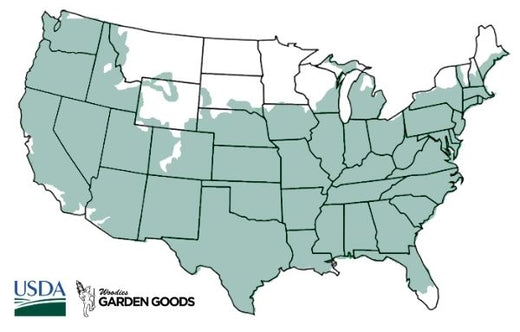
| Hardiness Zone: | 5-9 |
|---|---|
| Mature Height: | 8 to 12 inches |
| Mature Width: | 12 to 18 inches |
| Sunlight: | Full sun to partial shade |
| Soil | Average to humusy, well-drained soil |
| Water | Moderate during establishment; drought tolerant in shade once established |
| Bloom Time / Color: | Spring; soft yellow to pale yellow flowers |
| Foliage | Semi-evergreen to evergreen in mild climates; Heart-shaped green foliage; new growth may show red, bronze, or mottled highlights; fall color may include red or bronze tones |
| Ornamental Features | Yellow spring flowers, red-tinted new foliage, dense groundcover habit, seasonal foliage color |
| Wildlife Value | Flowers may attract early-season pollinators |
| Resistance (deer/disease/drought/etc.) | Deer resistant, rabbit resistant, dry shade tolerant once established |
| Landscape Uses | Shade groundcover, woodland gardens, under trees and shrubs, shaded borders, edging, naturalized plantings, low-maintenance shade beds |
How to Care for Epimedium Sulphureum
After purchasing your Epimedium Sulphureum, be sure to read our recommended care instructions to ensure this perennial is happy and healthy for years to come.

How should I plant Epimedium Sulphureum?
Plant Epimedium Sulphureum in partial shade to full shade where the soil drains well. It will grow in average garden soil, but it performs best when the planting area is improved with compost, leaf mold, or organic matter. This is especially helpful beneath trees and shrubs, where roots compete for moisture and nutrients. Set the crown level with the surrounding soil surface, backfill gently, and water deeply after planting. Space plants about 12 to 18 inches apart when using them as a groundcover. Add a light mulch layer around the root zone to help conserve moisture, but avoid burying the crown.

How often should I water Epimedium Sulphureum after planting?
Water Epimedium Sulphureum deeply after planting and keep the soil evenly moist during the first growing season. Regular watering during establishment helps the plant develop the root system it needs to tolerate drier conditions later. Check soil moisture during warm or dry weather and water when the top few inches begin to dry. Once established, Epimedium Sulphureum is more drought tolerant than many shade perennials and can handle dry shade beneath trees. It will still look its best with occasional deep watering during extended drought. Avoid soggy soil, especially in winter, because good drainage supports healthier long-term growth.

When should I fertilize Epimedium Sulphureum?
Fertilize Epimedium Sulphureum lightly in early spring as new growth begins. A topdressing of compost, leaf mold, or a gentle slow-release fertilizer is usually enough to support healthy foliage, spring flowers, and steady groundcover growth. This perennial does not need heavy feeding to perform well. Avoid over-fertilizing, which can encourage soft growth and reduce the plant’s naturally durable habit. In woodland-style gardens, an annual layer of shredded leaves or compost can help mimic the organic matter found on the forest floor while gradually improving soil structure.

When and how should I prune Epimedium Sulphureum?
Prune Epimedium Sulphureum in late winter or very early spring before new flowers and foliage emerge. Cut back old, tired, or winter-damaged leaves close to the base so the yellow spring flowers are easier to see. This simple cleanup also refreshes the planting and makes way for clean new growth. If foliage remains attractive through winter, you can remove only the damaged or flattened leaves. Avoid waiting too long in spring, because new flower stems can be easy to accidentally cut once they begin emerging. After flowering, no major pruning is needed.


