
Cypress Trees
Privacy, structure, and four-season texture—fast.
Cypress trees are the shortcut to a “finished” landscape: fast height, clean evergreen texture, and shapes that look designed even before the rest of the garden catches up. This category covers multiple looks—broad pyramids for living fences, pencil-slim columns for formal rhythm, steely blue foliage for modern contrast, and even water-tolerant options with soft, feathery texture and fall color. When you want privacy that feels intentional (not bulky), or you need a vertical accent that reads from the street, cypress is often the most efficient way to get there.
The key to long-term success is choosing the right cypress for the job—then planting with honest spacing, full-sun expectations, and a light touch on pruning. Many cypress types are low-fuss once established, but some (especially fast screens) can be prone to canker diseases and pests when stressed by drought, crowding, or winter injury—so airflow and steady establishment watering matter. With the We Grow Together Promise, you’re backed by practical guidance on siting, spacing, and simple care that keeps your screen dense and your accents crisp.
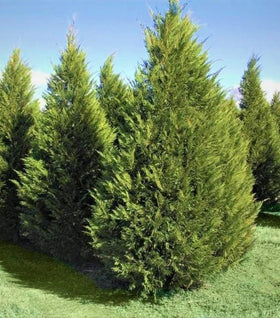
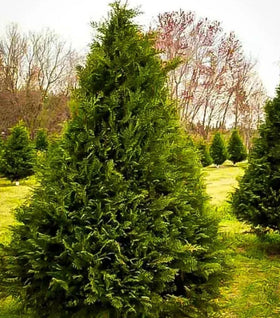
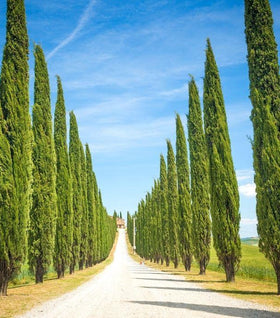

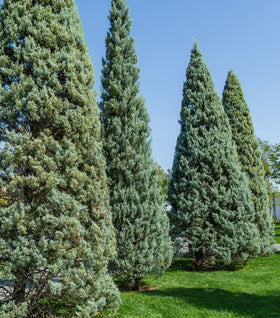


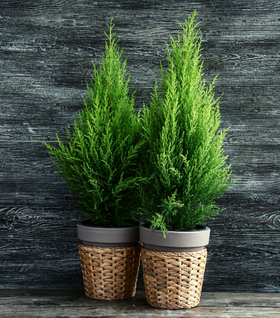
Build instant privacy with a confident evergreen height.
Cypress trees are among the most effective ways to create privacy quickly because many varieties naturally grow dense and tall without needing constant shaping. The biggest advantage is structural: you’re not just adding green, you’re adding a living wall, a wind-softening boundary, and a year-round backdrop that makes the rest of the landscape look more intentional.
This collection stays versatile because “cypress” includes multiple landscape roles: broad screening evergreens for property lines, narrow columnar forms for entries and driveways, blue-toned options for color contrast, and water-tolerant trees for low spots and pond edges. That range lets homeowners and landscapers solve very different problems with one category—privacy, vertical emphasis, texture, and seasonal interest.
Cypress also plays well with layered designs: use taller trees as a backdrop, then add mid-height shrubs and perennials in front so the planting looks full at eye level, not just tall at the fence. This “layered screen” approach increases curb appeal immediately and reduces the temptation to plant trees too close together for instant density.
Choose the form, color, and growth speed you want.
Expect real variety in mature size and growth rate. Some popular screening types are selected specifically for rapid juvenile growth and tall, broad pyramids, while columnar types are chosen for narrow width and dramatic vertical lines. The right pick depends on your space: wide screens need room to mature, while slim accents fit tighter side yards and formal rows.
Foliage color and texture are a major reason people choose cypress over “generic evergreens.” You can get classic deep green, brighter chartreuse tones in certain selections, and steely blue-gray foliage that pops against brick, stone, and warm mulch. Texture ranges from fan-like sprays to softer, feathery foliage; use that contrast to make simple plantings feel high-design.
Seasonal interest varies by type, too. Many cypress are evergreen year-round, while bald cypress is deciduous with soft foliage that turns a warm rust color in fall—an option that’s especially valuable near water or in naturally moist sites. Treat “cypress” as a toolbox: evergreen privacy where you need coverage, and seasonal drama where you want a feature tree that thrives in tougher, wetter ground.
Plant in the right spot for cleaner, denser growth.
Most cypress types want full sun and well-drained soil for the densest growth and best color, especially when you’re planting for privacy. Good sun exposure also helps foliage dry faster after rain or irrigation, an underrated benefit that can reduce stress and disease pressure in dense plantings.
Spacing should match your goal and the plant’s mature width. For living fences made from broad screening types, a common on-center spacing range is roughly 8–12 feet for hedge rows (tighter for faster “knit,” wider for long-term airflow). For narrow columnar rows, spacing is often closer—roughly 3–6 feet—so you get that tight, architectural cadence without crowding trunks later.
If you have challenging ground, there’s a cypress angle for that, too. Bald cypress is well-known for tolerating wet or swampy locations (and it can also handle drier sites once established), making it a strong choice for pond edges, low lawns, and seasonal drainage areas where many evergreens struggle. If your soil is alkaline, plan ahead; bald cypress can show chlorosis in high-pH conditions, so site selection and soil strategy matter.
Keep care simple and avoid common cypress pitfalls.
Watering is most important in the first season: deep, consistent watering helps roots establish so the tree can handle heat and wind with less stress later. Once established, many cypress options become relatively drought-tolerant, but screens planted in rows still benefit from occasional deep watering during prolonged dry spells to prevent thinning and dieback.
Pruning is usually minimal, think “light shaping,” not heavy shearing. For many evergreen cypress used as screens, a good approach is to shape lightly after the spring flush and avoid cutting back into leafless interior wood, which may not regrow well. Keeping a strong central leader on upright forms also helps maintain a clean structure and reduces the risk of storm damage.
The big caution with fast screening cypress is stress-related decline. Leyland cypress, in particular, is widely documented as susceptible to canker diseases (including Seiridium and Botryosphaeria), especially when plants are stressed by drought, crowding, or winter injury—symptoms often show up as branch dieback and worsening browning over time. Choosing good spacing, avoiding repeated drought stress, and removing badly affected material promptly are practical steps that protect your investment.