
Cypress Shrubs
Evergreen texture and color that stays bold through winter.
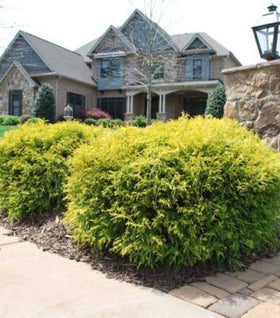
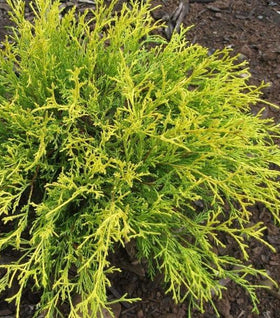
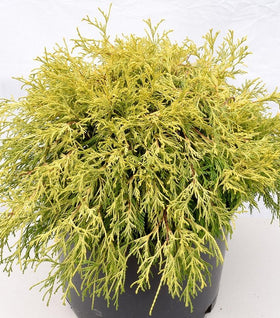
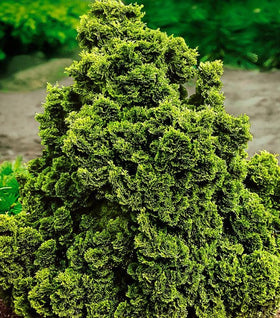
Cypress shrubs are my favorite “instant structure” evergreens, because they don’t just fill space; they add texture. Think mop-like gold, feathery sprays, and sculpted mounds that make beds look designed even when flowers are asleep. This collection typically includes standout forms like Gold Mop, Hinoki types, Gold Thread, King’s Gold, and Russian/Siberian cypress, so you can pick the exact silhouette you need: a bright accent near the front door, a soft border ribbon, or a low evergreen mass that keeps a bed from looking bare in winter. And because these are conifers with strong natural form, most of the time you’re not “maintaining” them, you’re just giving them the right spot and letting them do what they do best.
The secret to happy cypress shrubs is simple: prioritize light and drainage, then match the variety to your conditions. Many false cypress and Hinoki types handle full sun to partial shade and prefer moist-but-well-drained soil, while Russian/Siberian cypress is a hardy groundcover conifer that can be more shade-tolerant than some groundcover junipers but may struggle in hot, humid summers, so it’s a smarter pick for cooler-summer settings or sheltered microclimates. Pruning is usually minimal, and when you do shape, it’s best to avoid cutting back hard into old wood on many conifers. With the We Grow Together Promise behind you, this is a dependable way to build year-round curb appeal with color you don’t have to replant every season.



Evergreen color that pops all winter.
Cypress shrubs earn their keep in the season when landscapes need help most: winter. Gold and blue-green foliage can brighten dark mulch beds, soften hard edges, and keep foundation plantings looking intentional even after perennials die back. Many forms naturally hold tidy shapes, mounding, cascading, or upright, so you get structure without constant clipping.
Because this category includes multiple habits, it’s a strong “design toolkit” collection. Use low, spreading types to knit the front edge of a bed, medium mounds to anchor corners, and upright growers as evergreen punctuation behind flowering shrubs. That mix-and-match flexibility is exactly why cypress shrubs work in both tight suburban beds and larger, layered landscapes.
They’re also a practical pick for homeowners who want low-maintenance impact. Many are slow to moderate growers with naturally attractive form, and they’re often selected specifically for their ability to look good with little intervention—especially when planted where they won’t be stressed by wet feet or deep shade.
Golden and blue-green texture year-round.
What you’re really buying here is foliage character. Gold Mop–type false cypress brings bright, threadlike gold texture; Hinoki types offer layered, fan-like sprays and sculpted mounds; and Russian/Siberian cypress delivers a softer, ferny groundcover look that can bronze in winter, adding seasonal color shift instead of just “green all year.”
Mature size varies widely by selection, which is great for planning. Some stay compact and slow-growing for containers and small beds, while others develop into larger shrubs over time, so you can build a consistent evergreen theme across your landscape without forcing one plant size into every location.
Growth rate is generally steady rather than aggressive, and many conifer shrubs look best when you let them keep their natural silhouette. If you’re using them for hedging or a tighter outline, light trimming is acceptable, but heavy cutbacks into old wood are commonly discouraged for many false cypress types because bare wood may not resprout.
Planting spots that make them thrive.
Most cypress shrubs in this style range perform best from full sun to partial shade, with brighter light typically improving density and color. If your goal is maximum gold or the tightest habit, give them the best light you can, then make sure the planting site drains well after rain.
Drainage is the make-or-break. Many false cypress prefer moist but well-drained soil, while Russian/Siberian cypress is specifically noted as intolerant of poor drainage or excessive wetness, and it can perform poorly in hot, humid summers, so placement and local climate matter.
Spacing depends on the mature footprint, but a safe planning range for many shrub forms is roughly 3–6 feet of “available space” for medium growers, with compact selections closer and larger growers given room to keep airflow and reduce stress. When in doubt, space for the mature width you want, because conifers are happiest when they aren’t forced into constant corrective pruning.
Easy shaping for a polished look.
Watering is most important during establishment. Keep soil evenly moist (not soggy) as roots settle in, then transition to deeper, less frequent watering once plants are established, especially in well-drained sites where drought tolerance improves over time.
Pruning is usually optional and should be conservative. Many guides emphasize that false cypress and related conifers look best when allowed to retain their natural form; remove dead or wayward growth as needed, and avoid hard cuts into old wood when shaping.
Deer pressure is always local, but multiple extension resources note that deer often avoid many conifers (including cypress) compared with more frequently browsed evergreens. It’s still smart to protect young plants in high-pressure areas, because “deer resistant” is never the same as “deer proof.”