
Crape Myrtle Shrubs
Big summer bloom, fast curb appeal, and easy shape control with pruning.
Crape myrtle shrubs are the classic “summer carry” plant. When the heat is up, and other flowering shrubs are coasting, these step in with showy blooms and keep the landscape feeling alive. Many types bloom on the season’s new growth, so you can expect strong summer flowering (often mid-to-late summer into early fall, depending on variety and climate), and in colder zones, they can even behave more shrub-like if winter dieback occurs and plants resprout. That makes them incredibly flexible: use compact forms for foundation beds and bold color blocks, or let larger forms become a multi-stem statement that anchors the whole border.
Here’s how to get the best-looking result: give them full sun, keep the soil draining well, and prune with restraint. Because flowers form on new wood, dormant-season pruning (late winter to early spring) is the smart window if you need to shape, thin, or refresh growth without sacrificing the summer show. The goal isn’t harsh cutting; it’s choosing a variety that fits your space and maintaining a strong, natural structure (and avoiding the damaging “topping” habit that leads to weak shoots and an awkward look). Backed by the We Grow Together Promise, this is one of the easiest ways to build months of color with a clean, confident form.
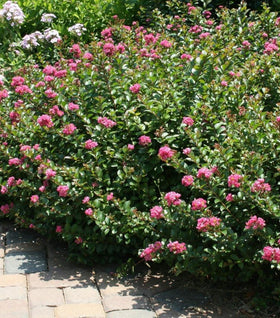

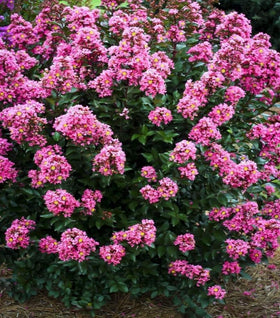
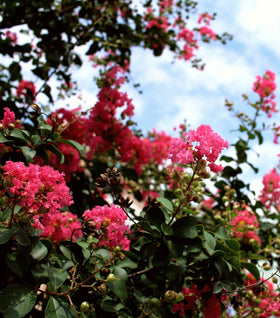
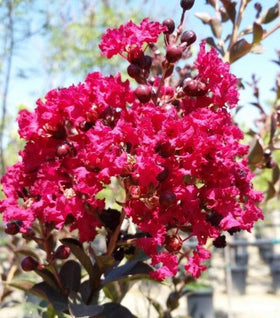
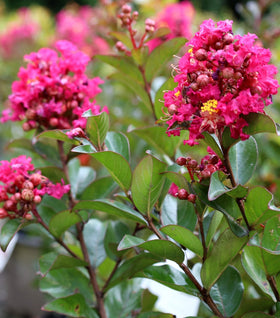
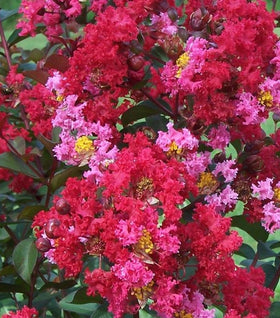
Summer color that fills the space fast.
Crape myrtle shrubs earn their popularity because they deliver fast visual payoff: strong growth, lush foliage, and a long season of flowers once summer arrives. Many sources describe them as rapid growers, and the genus includes everything from compact, shrub-form selections to larger plants that can mature into substantial multi-stem forms, so you can match the plant to the footprint you actually have.
They’re also a smart solution for modern landscapes where heat and reflected sunlight are real concerns. With full sun and well-drained soil, they’re widely recommended for warm, bright sites, and once established, they can tolerate occasional dry spells, making them a practical choice for homeowners who want big color without a high-maintenance irrigation routine.
If you’re shopping this collection for design impact, think in repeatable “shrub roles”: a compact bloomer near the front door, a mid-size accent in a foundation bed, or a few taller shrubs along a fence line to soften hard edges with bloom and foliage. Choose a size class that fits, and you avoid the pruning headaches that come from planting a giant where a compact shrub should have been.
Blooms, bark, and bold foliage.
The headline is bloom: crape myrtles flower on new growth, which is why they’re such dependable summer performers. Many selections flower through summer, and some dwarf or semi-dwarf types are marketed specifically for long bloom windows that can run into early fall (and in some cases “to frost,” depending on conditions and variety).
Beyond flowers, you’re also getting year-round interest potential. Many crape myrtles are valued for attractive bark (especially on mature stems) and a clean branch structure that looks good even after leaf drop, which is why they function as both a flowering shrub and a landscape “framework” plant.
Mature size varies widely by variety, but common guidance notes for crape myrtle shrubs range from roughly 6 to 12 feet in height and width, depending on cultivar. This is one more reason to shop for shrubs intentionally, especially if you want a multi-stem shrub form rather than a larger tree-sized plant.
Full sun placement for best bloom.
Full sun is the bloom-maker here. Planting in shade doesn’t just reduce flowering; it can also increase disease pressure, with extension guidance noting that shady placement can encourage issues like powdery mildew while also reducing bloom performance. If you want the most flowers and the strongest habit, prioritize sun first.
Soil should be moist and well-drained during establishment, then managed so roots stay healthy without sitting in water. Many references note tolerance for occasional wet or dry conditions once established, but the best long-term performance comes from avoiding chronically soggy spots and giving roots a stable, well-aerated planting zone.
For spacing, use mature width as your guide (and the size category you’re buying). A simple, safe planning approach is to leave enough room for airflow around the canopy. Better air movement helps foliage dry faster and can reduce pressure from common foliar problems, while also making pruning and maintenance easier as plants mature.
Pruning that keeps it gorgeous.
Because crape myrtles bloom on new wood, the most widely recommended pruning window is the dormant season, late winter to early spring, before growth resumes. That timing supports shaping and thinning without cutting off the season’s flower potential, and it helps you avoid stimulating tender growth at the wrong time.
The best pruning is usually selective, not severe. Extension guidance emphasizes that topping (“crape murder”) isn’t needed to control size and often creates weak, poorly attached shoots and a worse overall form; instead, thin for structure, remove suckers if you want a cleaner base, and let the plant keep its natural architecture.
Know the watch-outs so you can stay ahead of them. Powdery mildew and aphids are commonly cited issues, and crapemyrtle bark scale has become a major pest in many areas, often recognized by felt-like white/gray encrustations on bark and associated sooty mold from honeydew. Good siting (sun + airflow) and early identification/management are the confidence moves that keep shrubs looking their best.
Crape myrtle (Lagerstroemia indica) is listed by the ASPCA as non-toxic to dogs, cats, and horses, which is reassuring for family landscapes, though it’s still wise to discourage chewing of any ornamental plant.