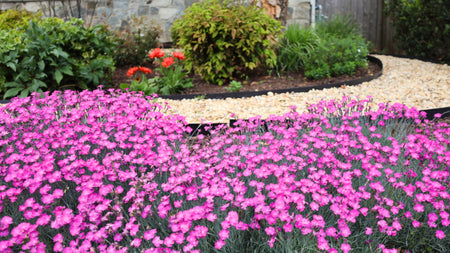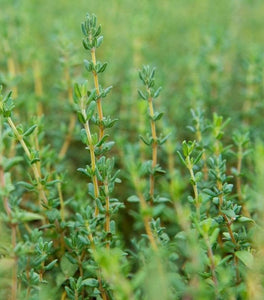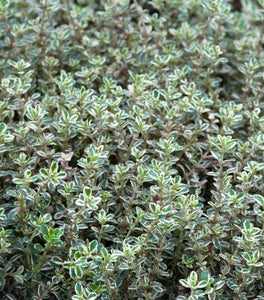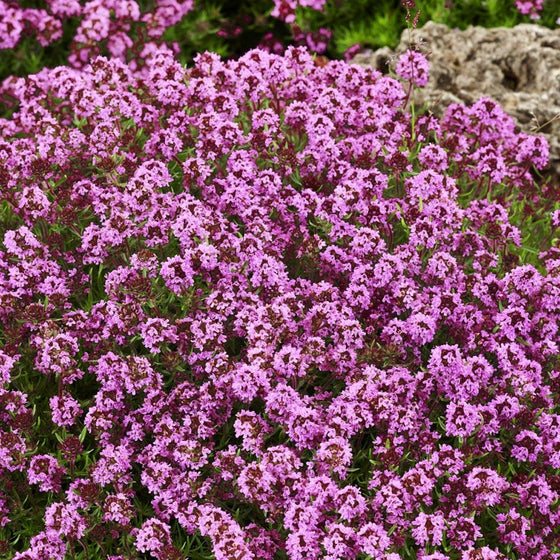
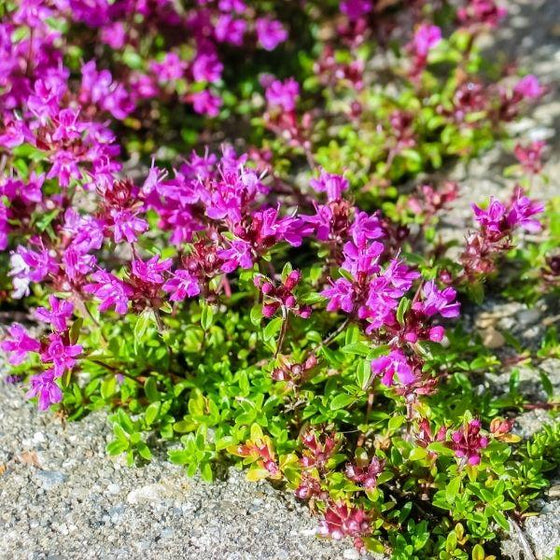
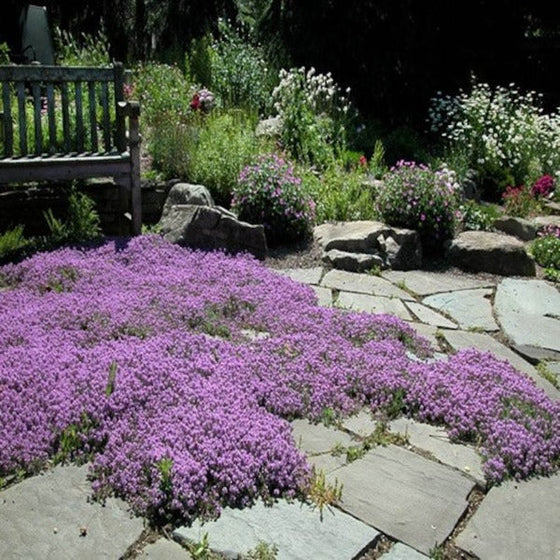
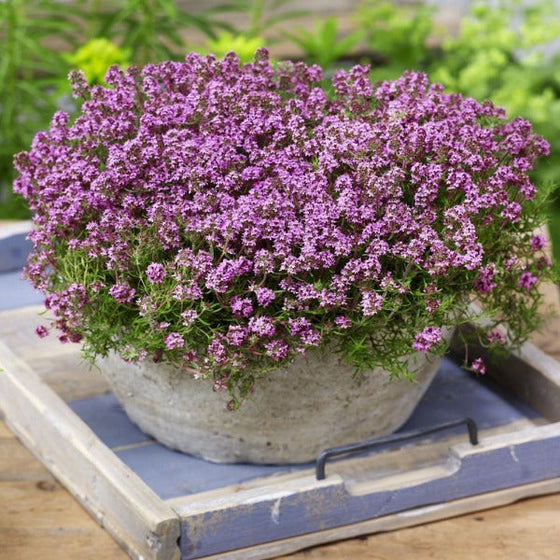


Images Depict Mature Plants
Red Creeping Thyme
Thymus praecox 'Coccineus'
Red Creeping Thyme is one of my favorite “small plant, big impact” picks—because it turns boring sunny gaps into a fragrant, blooming carpet that looks like you planned every inch. I love it between stepping stones and along bed edges where you can brush it and catch that thyme scent, and once it’s established, it’s remarkably easygoing as long as the soil drains well.

15% OFF SITEWIDE SALE
Use Code 'PRIMETIME15' At Checkout
📦 Free shipping on orders over $99.
Delay shipping by leaving us a message at Checkout.
Share:Recommended Add-Ons


Red Creeping Thyme for Magenta Color, Fragrance, and Sunny Groundcover Coverage
A Blooming Carpet Of Magenta-Red Color For Sunny Spaces
Red Creeping Thyme is the “wow” groundcover that makes people stop mid-walkway and ask what’s blooming. In early through mid-summer, it becomes a dense mat smothered in magenta-red flowers—bright enough to read from the street, yet low enough to look tidy and intentional. It’s a perfect way to add seasonal color without adding height, which is why it shines along borders, at the front of beds, and around stepping stones where taller plants would feel messy.
Even when it isn’t flowering, the foliage earns its keep. The tiny leaves stay compact and aromatic, releasing a pleasant herbal scent when brushed. That mix of color and fragrance is exactly what makes red creeping thyme feel like a “design upgrade” rather than just a filler plant. If you want ground-level bloom that looks curated (not weedy), this is one of the best choices you can make for full sun areas.
A Tough, Drought-Tolerant Groundcover That Doesn’t Need Babysitting
Once established, creeping thyme is built for real-life gardens—hot spots, lean soils, and places you don’t want to irrigate constantly. Red Creeping Thyme prefers well-drained soil and actually performs better when you don’t spoil it with heavy watering or rich, soggy ground. That makes it a smart choice for rock gardens, gravel edges, sunny foundation strips, and any “dry problem area” where other groundcovers struggle.
The key to easy success is drainage and a simple first-season watering plan. Water consistently right after planting, then let the soil dry slightly between waterings so roots reach outward. After that first season, it becomes impressively resilient, handling heat and short dry spells with far less fuss than most flowering groundcovers. If you want low-maintenance beauty that thrives on neglect (the good kind), red creeping thyme delivers.
Perfect Between Pavers And Along Paths With Light Foot Traffic
Red Creeping Thyme is famous for the between-pavers look—soft, green mats that spill into the cracks and bloom like a living mosaic. It tolerates light foot traffic once rooted in, making it a great fit for stepping-stone paths, patio edges, and garden walkways where you’re strolling, not sprinting. It’s also an excellent alternative to mulch in small sunny pockets where you want a clean, finished look without constant topping-up.
The best results come from smart placement. Use it where it can spread and knit together, but avoid high-traffic “main routes” where constant pounding would thin it out. It’s also worth noting the blooms attract pollinators, which is a win for the garden—but something to consider around play areas. Place it where you’ll enjoy the scent, the color, and that soft, living texture underfoot.
Fast Fill-In For Borders, Slopes, And Erosion-Prone Areas
If you’ve got a slope that bakes in the sun, red creeping thyme is a practical solution that also looks beautiful. Its low, spreading habit helps cover soil, reduce splash, and soften hard edges—especially on banks, rock walls, and raised beds where mulch slides and bare soil shows. Over time, it forms a dense mat that looks intentional and helps hold the “finished” look of the landscape through heat and drought.
It also plays well with other sun lovers. Tuck it in front of roses, lavender, sedum, and ornamental grasses, and it becomes the unifying carpet that makes the whole bed feel designed. Give it room to spread, keep the crown out of wet soil, and it will gradually stitch the space together into a fragrant, blooming groundcover you barely have to think about.
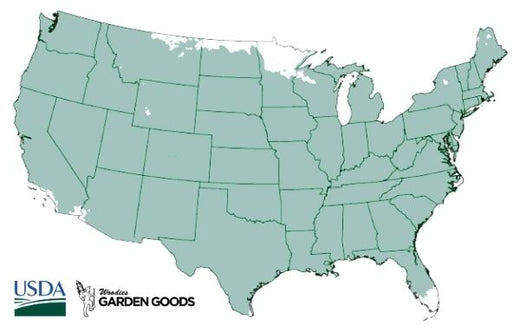
| Hardiness Zone: | 4-9 |
|---|---|
| Mature Height: | 2 to 4 Inches |
| Mature Width: | 12 to 18 Inches |
| Sunlight: | Full sun (best flowering) |
| Habit: | Creeping |
| Bloom Time / Color | Early to mid-summer; magenta-red |
| Soil Condition: | Well-drained; sandy/rocky/lean soils preferred |
| Water Requirements: | Low once established; avoid soggy soil |
| Wildlife Value | Pollinator-friendly blooms (bees, beneficial insects) |
| Resistance | Deer resistant; drought tolerant once established |
| Landscape Uses | Between pavers, edging, rock gardens, sunny borders, slopes/erosion control, groundcover “carpet,” containers as spiller |
How to Care for Red Creeping Thyme
Once you buy Red Creeping Thyme, make sure to read about the care instructions that are recommended to keep this plant healthy and thriving.

How should I plant Red Creeping Thyme?
Plant Red Creeping Thyme in full sun with sharply drained soil. Dig a hole about twice as wide as the root ball and set the plant so the crown sits level with the surrounding soil—don’t bury it. Backfill, firm gently, and water thoroughly to settle the roots. For the best long-term performance, avoid heavy, wet soil and skip thick mulch over the crown. If your soil holds water, plant slightly high or amend with grit/sand and organic matter to improve drainage. Creeping thyme loves lean, breathable soil and plenty of sun.

How often should I water Red Creeping Thyme after planting?
Water deeply right after planting, then keep the soil lightly moist (not soggy) for the first few weeks as roots establish. A good rule is to water when the top inch of soil feels dry, especially during warm, windy weather. After the first growing season, reduce watering significantly. Established creeping thyme is drought tolerant and performs best with a “soak, then dry down” rhythm. Overwatering is the most common reason it thins out or struggles, so prioritize drainage and let the soil breathe between waterings.

When should I fertilize Red Creeping Thyme?
Red Creeping Thyme rarely needs fertilizer. If you want to give it a boost, top-dress with a light layer of compost in spring as growth begins, or use a very gentle, balanced fertilizer once in early spring. Avoid heavy feeding, which can make thyme floppy and reduce its tight, ground-hugging habit. For the healthiest mat and best blooms, focus on full sun, good drainage, and modest watering rather than extra fertilizer.

When and how should I prune Red Creeping Thyme?
After flowering, shear lightly to remove spent blooms and encourage denser growth. This keeps the mat looking crisp and can help it fill in more evenly, especially in paths and borders. In early spring, you can trim away winter-browned tips if needed, but avoid cutting deep into old, woody stems. A light “haircut” once or twice a year is usually all it takes to keep red creeping thyme compact, fresh, and full.