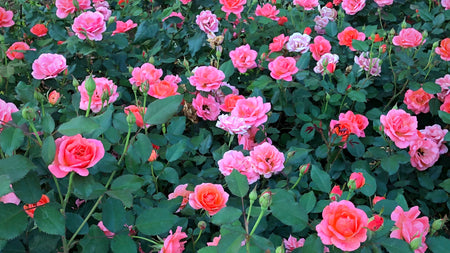
Images Depict Mature Plants
New Dawn Rose
Rosa 'New Dawn'
If you want one climbing rose that makes a yard feel instantly more romantic, New Dawn is my go-to. I love how it drapes an arbor in soft blush-pink clusters, keeps blooming in repeat waves, and still performs when the garden is not perfect. Give it a sturdy support, train the canes outward early, and you will end up with flowers right where you can see them and smell them.

15% OFF SITEWIDE SALE
Use Code 'PRIMETIME15' At Checkout
📦 Free shipping on orders over $99.
Delay shipping by leaving us a message at Checkout.
Share:



New Dawn Climbing Rose for Fragrant Blush-Pink Repeat Blooms
Romantic Blush-Pink Blooms That Keep Coming Back
New Dawn is the kind of climbing rose that looks like it has always belonged in the garden. It opens in soft blush to shell-pink, often with a silvery cast, and the semi-double blooms show just enough golden center to feel airy rather than heavy. As the flowers age they often fade lighter, giving the plant a gentle ombre effect that reads elegant from a distance. Blooms arrive in clusters along the canes, so you get a draped, cascading look on arbors and trellises instead of a few flowers only at the top.
Expect the biggest flush in late spring or early summer, then repeat waves through summer and into fall when the plant is happy. Deadheading speeds rebloom, but even a light tidy-up keeps it flowering. The fragrance is sweet and classic, noticeable as you walk by without overpowering patios or entryways. Cut a few clusters for a vase, and you will get that old-fashioned, cottage-rose feel with very little arranging. It is one of the classic repeat-blooming climbers, valued for its ability to keep producing flowers when many older climbers have paused. For the cleanest blooms, give them morning sun and decent airflow so petals dry quickly after rain. Even beginners get results.
A Vigorous Climber That Trains Into a Flower-Covered Wall
New Dawn is a vigorous climber that can cover a surprising amount of space once it is established. In many gardens it reaches 10-20 feet tall when trained, with a broad spread that can fill 6-10 feet of fence or trellis. That range depends on your climate, soil, and how much structure you give it, but the takeaway is simple: plan for a big, beautiful rose and give it room. Plant it about 12-18 inches away from the support so roots can access water, and you have space to work.
For the best flower coverage, do not let the canes shoot straight up and call it done. As new canes grow, fan them outward and tie them in at a gentle angle or close to horizontal. This encourages more flowering side shoots all along the cane, putting blooms where you can see and smell them. Expect year one to be about rooting in and building canes, with the real curtain of flowers arriving as the framework matures. The canes are thorny, so gloves and soft ties make training easier. New Dawn also tolerates light shade better than many climbers, which makes it a smart option for an east-facing wall or a spot with afternoon shade. Pair it with a sturdy support and a little early training, and it will reward you for years with a full, flower-covered frame.
Tough, Glossy Foliage and Dependable Garden Performance
Part of New Dawn's staying power is how well it performs in real-world gardens. It is known for good disease tolerance compared with many older climbers, and the foliage stays glossy and attractive between bloom flushes. It also handles a wider range of conditions than many roses, including less-than-perfect soil and a bit of shade, which is one reason it became a landmark variety. It is famously winter-hardy for many regions.
Mulch the root zone to keep moisture steady, water deeply during dry spells, and feed in spring and again after the first big bloom flush to support repeat flowering. Once established, it has decent drought resilience for a rose, but the first season is all about consistent moisture to build roots. Keep the plant tidy by removing spent clusters and any yellowing leaves that fall, and do a late-winter cleanup to remove dead or crossing canes. If you garden in a wet, humid area, spacing and airflow matter most-avoid crowding the base with dense shrubs, and consider a preventative routine if black spot is persistent in your yard. With those basics, New Dawn reads lush and healthy for months, making it a dependable choice for gardeners who want beauty without constant fuss.
Design Ideas for Arbors, Trellises, Fences, and Entryways
New Dawn is a classic choice for turning plain structures into living architecture. Let it climb an arbor over a gate, soften a fence line, or frame a porch column with blush-pink blooms and glossy green leaves. It also works beautifully on wire systems against a wall, trained in a fan shape for an even curtain of flowers. Because it repeats, you get more than a single spring moment-the plant keeps sending out flowers in waves, so the structure stays inviting for much of the season.
For an easy, high-impact look, pair New Dawn with blue and purple companions like lavender, catmint, salvia, or ornamental grasses. Those cooler tones make the pink blooms feel even brighter, and the companions help shade the soil while leaving the rose crown open for airflow. If you are planting by a wall, set the rose 12-18 inches out so rain can reach the roots, and you can train canes without scraping knuckles. You can also grow New Dawn in a large container with a strong trellis if you commit to regular watering and feeding, but in-ground plantings will always be easier in the long term. On slopes, use it as a supported focal plant rather than erosion control, and space it so you can access the base for pruning and tying. Whether you plant one statement climber or repeat a few down a long fence, New Dawn creates that welcoming, cottage-garden atmosphere fast.
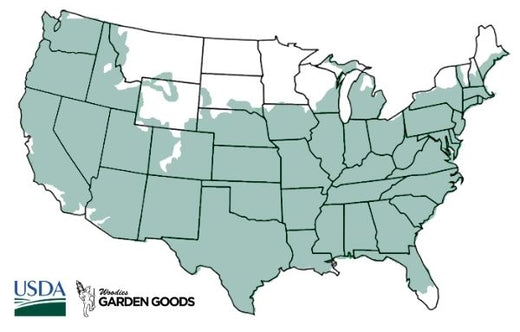
| Hardiness Zone: | 5-9 |
|---|---|
| Mature Height: | 10 to 15 feet |
| Mature width: | 6 to 10 feet |
| Sunlight: | Full sun to light shade |
| Habit: | Climbing |
| Bloom Time / Color: | Late spring through fall blush to shell pink |
| Soil Condition: | Fertile, evenly moist, well draining |
| Water: | Moderate deep watering during establishment |
| Wildlife Value: | Pollinators hips possible if blooms are left |
| Landscape Uses: | Good disease tolerance deer may browse |
| Uses: | Arbors trellises fences walls cottage gardens |
How to Care for New Dawn Rose
Be sure to read our planting instructions to ensure a healthy and happy New Dawn Pink Climbing Rose for years to come!

How should I plant New Dawn Climbing Rose?
Plant New Dawn Climbing Rose in full sun whenever possible, or in light shade where it still gets several hours of direct light and good airflow. Install your support first, then dig a wide hole and loosen the surrounding soil so roots can expand. Plant at the same depth it was growing in the pot, backfill with native soil, water deeply, and mulch 2-3 inches (keep mulch a few inches away from the base of the canes). For fences, walls, and trellises, plant the rose 12-18 inches away from the structure so rain can reach the root zone and you have space to train canes. Begin training early by guiding new canes outward and tying them in loosely; this sets the framework that will carry most of your future blooms.

How often should I water New Dawn Climbing Rose after planting?
Water deeply right after planting, then keep the soil evenly moist (not soggy) for the first 6-8 weeks. In warm weather, that often means a thorough soak 2-3 times per week, adjusting for rainfall and soil type (sandy soils dry faster, heavier soils hold moisture longer). After establishment, shift to deep weekly watering and increase during heat waves or extended dry periods. Water at the base rather than overhead so foliage stays drier, and aim for long soakings that encourage deeper roots instead of frequent light watering.

When should I fertilize New Dawn Climbing Rose?
Start feeding in spring when you see active new growth, using a balanced rose fertilizer at label rates. Feed again after the first big bloom flush to support repeat flowering, and continue on a schedule that matches your fertilizer type (slow-release vs liquid) through mid-to-late summer. Avoid heavy nitrogen-only feeding, which can push leafy growth at the expense of blooms. In colder zones, stop fertilizing about 6-8 weeks before your first expected frost so the plant can harden off rather than producing tender new growth.

When and how should I prune New Dawn Climbing Rose?
Do major pruning in late winter or very early spring, removing dead, damaged, or crossing canes and opening the plant for airflow. Keep the strongest canes as your main framework and shorten side shoots to encourage fresh flowering growth along the structure. During the season, deadhead spent clusters and do only light shaping as needed. For the best bloom coverage, focus on training main canes more horizontally; that encourages more flowering laterals and helps prevent the classic problem of blooms only at the top.