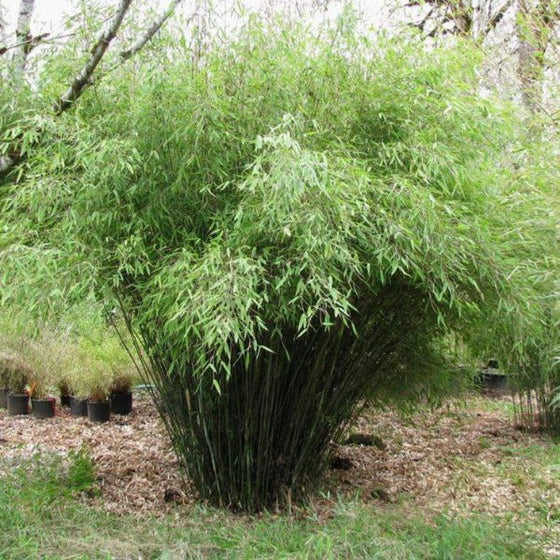
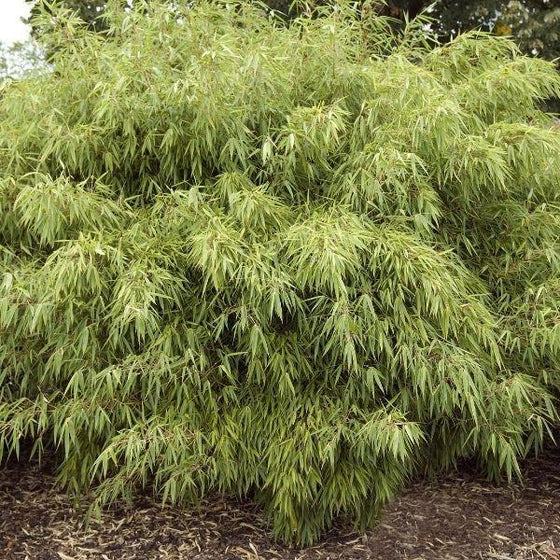


Images Depict Mature Plants
Clumping Bamboo
Fargesia rufa
I love clumping bamboo because it gives you that peaceful, evergreen “living wall” feeling, movement, privacy, and a softer soundscape, without the worry of runners taking over the yard. Give Fargesia rufa consistent moisture, tuck it out of harsh afternoon heat when summers run hot, and you’ll get a lush screen that feels natural and welcoming instead of stiff and bulky.

15% OFF SITEWIDE, USE CODE 'FALLPLANT15'
📦 Free shipping on orders over $99.
Delay shipping by leaving us a message at Checkout.
Share:Recommended Add-Ons


Hardy Clumping Bamboo For Non-Invasive Privacy And Year-Round Green
Fast, non-invasive screening that looks lush—not aggressive
Clumping Bamboo (Fargesia rufa) gives you the bamboo look people love, soft movement, evergreen texture, and that calming “green curtain” feel, without the headache of running bamboo. Instead of spreading underground and popping up where it shouldn’t, it grows in a tight, predictable clump that expands slowly. That makes it a confident choice for residential landscapes, especially along fences, property lines, patios, and courtyards, where space matters and control matters even more.
It also delivers privacy in a way that feels natural, not like a hard wall. The canes arch gracefully, and the foliage knits into a dense screen, helping block views while still letting the garden breathe. Plant one as a specimen for a fountain-like accent, or plant a row to build a living screen that adds beauty, sound-softening, and a sense of enclosure around outdoor living spaces.
Evergreen texture and a “fountain form” that upgrades any landscape
Fargesia rufa stays green year-round, adding structure to beds that can look empty in winter. The foliage is fine-textured and lush, and the overall habit is compact and elegant, more like a living sculpture than a typical hedge. New shoots can show warm, reddish-bronze tones before maturing, adding subtle seasonal interest even when nothing is blooming.
This versatile plant design looks right at home in modern landscapes, Asian-inspired gardens, woodland edges, and shaded walkways. It also pairs beautifully with broadleaf evergreens, hydrangeas, ferns, and shade perennials because it adds movement and vertical softness without overpowering nearby plants. If you want evergreen screening that feels refined (not bulky), clumping bamboo brings a high-end finish with surprisingly simple care.
Shade-tolerant privacy for real-life yards with heat and deer pressure
Unlike many bamboos, Fargesia rufa handles partial shade extremely well, which is why it’s so useful in neighborhoods with mature trees and mixed light. Morning sun with afternoon shade is often the “sweet spot,” especially in hotter climates where harsh, reflected afternoon sun can stress foliage. It prefers consistent moisture and rich, well-drained soil, but it adapts well once established when you keep the root zone mulched and protected from extreme drying.
It’s also considered deer resistant, which is a big deal for screening plants—because the best privacy hedge in the world isn’t helpful if it gets chewed down every winter. With the right siting and moisture habits, this bamboo becomes a low-drama, high-impact evergreen that adds privacy, movement, and a calming atmosphere without turning into a maintenance project.
Screen-ready spacing and pruning that stays simple
Clumping bamboo rewards smart spacing. Plant closer when you want privacy sooner, and a little wider when you want each plant to develop its natural fountain shape with maximum airflow. The goal is a dense screen that stays healthy long-term, not a crowded row that struggles for water and light. With the right spacing, the plants knit together beautifully while still maintaining strong root systems and better foliage density.
Pruning is refreshingly straightforward: remove any weak, dead, or damaged canes at the base and thin lightly to keep the clump tidy. If you’re maintaining a screen, a light top trim can control height, but heavy shaping isn’t required for a great look. Give it consistent moisture in year one, keep mulch in place, and you’ll get an evergreen privacy solution that feels luxurious and stays well-behaved.
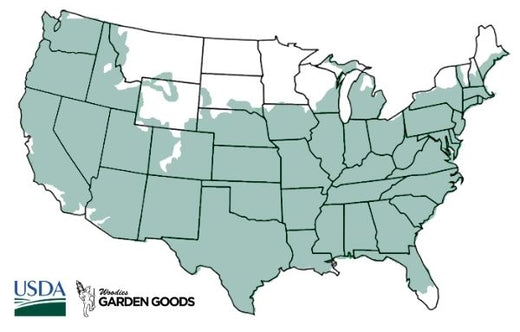
| Hardiness Zone: | 5-9 |
|---|---|
| Mature Height: | 6 to 8 ft. |
| Mature Width: | 4-5 ft. |
| Sunlight: | Full sun to part shade (best with afternoon shade in hot climates) |
| Soil Conditions: | Rich, well-drained soil; prefers consistent moisture |
| Water Requirements: | Moderate; do not allow to dry out completely |
| Bloom Time / Color: | Rarely flowers; grown for evergreen foliage |
| Wildlife Value: | Dense cover for birds; habitat value in screening plantings |
| Resistance (deer/disease/drought/etc.): | Deer resistant; non-invasive clumping habit; drought tolerance improves once established |
| Landscape Uses: | Privacy screens, windbreaks, living fences, containers, shaded courtyards, ornamental borders |
How to Care for Clumping Bamboo
Be sure to read our planting instructions to ensure a healthy and happy Clumping Bamboo (Fargesia Rufa) for years to come!
-v1745610483746.png?92x91)
How should I plant Clumping Bamboo (Fargesia rufa)?
Plant clumping bamboo in a site with well-drained soil and room for the clump to mature, choosing full sun to part shade based on your climate. Dig a hole about twice as wide as the root ball and set the plant so the top of the root ball is level with the surrounding soil. Backfill, water deeply to settle roots, and add a 2–3-inch mulch layer over the root zone, keeping the mulch a few inches away from the canes. For a privacy screen, lay out your row first and measure spacing before you dig so the line stays consistent. In hot-summer areas, prioritize morning sun and afternoon shade to keep foliage lush and reduce scorch. In cooler zones, more sun is usually fine as long as moisture stays consistent.
-v1745610512909.png?89x84)
How often should I water Clumping Bamboo (Fargesia rufa) after planting?
Water deeply right after planting, then keep the root zone evenly moist through the first growing season. A good baseline is deep watering 2–3 times per week at establishment, adjusting for heat, wind, and fast-draining soils that dry quickly. Use drip irrigation or a soaker hose at the base to deliver slow, deep moisture while keeping foliage drier. Once established, clumping bamboo is more forgiving but still performs best with regular watering during dry spells. Consistent moisture supports denser foliage and faster fill-in for screens. Mulch is your best ally—it reduces moisture swings and helps the plant stay vibrant through summer stress.
-v1745610532342.png?90x89)
When should I fertilize Clumping Bamboo (Fargesia rufa)?
Fertilize in early spring as new growth begins using a balanced slow-release fertilizer, and water it in well so nutrients reach the root zone. If you prefer organic feeding, compost and aged manure are excellent options that also improve soil structure and moisture retention, which bamboo loves. A light second feeding in mid-summer can help container plants or bamboo growing in lean soils, but avoid over-fertilizing. Too much fertilizer can push soft growth that’s more vulnerable to stress. Consistent moisture and moderate feeding produce the best long-term density and color.

When and how should I prune Clumping Bamboo (Fargesia rufa)?
Prune in late winter to early spring before new shoots emerge. Start by removing dead, damaged, or weak canes at ground level, then thin lightly to improve airflow and keep the clump looking neat. This type of selective pruning preserves the natural fountain form and keeps the planting dense without looking crowded. During the growing season, you can do minor touch-ups by removing stray shoots that disrupt the outline. If you’re maintaining a privacy screen, a light top trim can control height, but avoid severe cutting into older canes. Bamboo does not reliably regenerate from heavily cut mature canes, so keep pruning focused on thinning and cleanup.