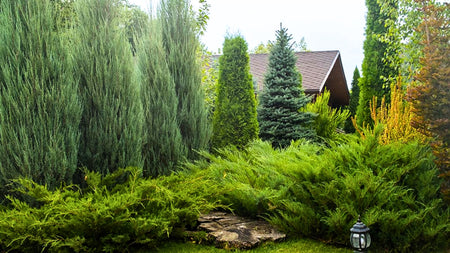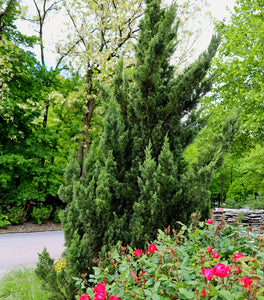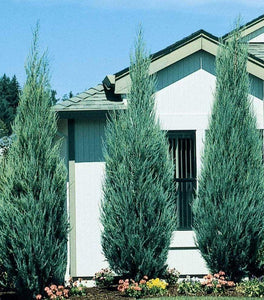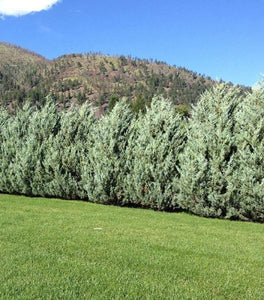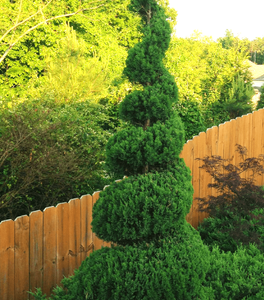


Images Depict Mature Plants
Blue Point Juniper
Juniperus chinensis 'Blue Point'
Blue Point Juniper is the evergreen you buy when you want the landscape to look established fast—dense blue-green color, a naturally broad pyramid, and real privacy potential without a high-maintenance haircut schedule. Plant it in full sun, keep its feet dry, water it well the first season, and it becomes the kind of tough, deer-resistant screen that quietly makes your whole yard feel more protected and polished.
📦 Free shipping on orders over $99.
Delay shipping by leaving us a message at Checkout.
Share:


Dense Blue-Green Privacy with Low Maintenance
Buy Blue Point Juniper for a Tall, Blue-Green Evergreen Screen That Looks Finished
Blue Point Juniper brings that “instant structure” look—dense, blue-green foliage held on a naturally broad pyramidal form that reads clean from the street and elegant up close. When the goal is to buy an evergreen privacy screen online that won’t feel fussy, this juniper delivers year-round color and a strong silhouette without needing constant shaping.
It’s also a smart pick in deer country and tough-weather sites, where many soft-needled evergreens get chewed or stressed. If you want privacy with fewer problems, Blue Point is built for the job.
Choose It for a Broad Pyramidal Evergreen That Reaches Real Screening Height
Mature size is typically listed at 12 feet tall and 8 feet wide, providing meaningful vertical screening while remaining manageable in most residential landscapes. That width matters—Blue Point isn’t a skinny column; it’s a fuller, broader pyramid that closes visual gaps and creates a thicker screen as it matures.
Growth is often described as moderate, which is the sweet spot for screening: it fills in steadily without turning into a constant pruning project. Plant one as a specimen or repeat it in a row to build privacy that looks intentional, not improvised.
Low-Water, Low-Fuss Care Starts with Sun and Well-Drained Soil
For the best color and density, plant Blue Point in full sun (it can tolerate partial shade, but sun keeps the habit tighter). The key cultural requirement is drainage—junipers dislike soggy soil, and overwatering is a common path to root issues.
Water consistently during establishment, then ease back once roots are settled—this is where Blue Point’s drought-tolerant reputation shines. Mulch helps stabilize moisture and temperature, but keep mulch off the trunk and avoid “mulch volcanoes.”
Best Uses: Privacy Rows, Windbreak Structure, and Evergreen Anchors for Four-Season Design
Use Blue Point Juniper as a privacy screen, a property-line evergreen, or a strong vertical anchor in mixed beds. It pairs especially well with flowering shrubs and perennials because it supplies the evergreen backbone that keeps the landscape looking put-together in winter.
It also offers real wildlife value—junipers are widely recognized for providing shelter and winter resources for birds, which adds an extra layer of “good landscape” beyond looks. Plant it once, and it works for you for decades
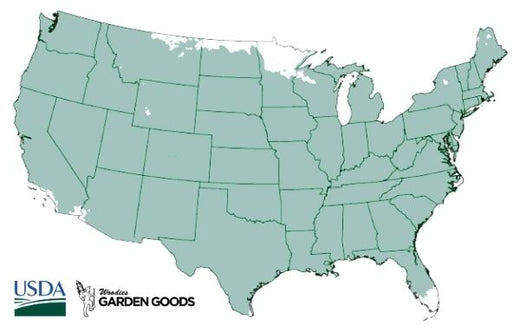
| Hardiness Zone: | 4-9 |
|---|---|
| Mature Height: | 10 to 12 Feet |
| Mature width: | 6 to 8 Feet |
| Sunlight: | Full sun to partial shade |
| Soil | Well-drained; tolerates a range of pH |
| Water | Low to moderate; drought-tolerant once established |
| Flower Color: | N/A (grown for foliage and form) |
| Wildlife Value | Shelter + winter resources for birds |
| Resistance | Deer resistant; drought tolerant |
| Landscape Uses | Privacy screens, hedges, specimens, windbreak structure |
How to Care for Blue Point Juniper
Before you buy a Blue Point Juniper Trees, make sure to read about the care instructions that are required and recommended to keep this plant healthy and flourishing.

How should I plant Blue Point Juniper?
Start with a sunny site and well-drained soil—that single choice prevents most long-term problems with junipers. Dig a hole 2–3× wider than the root ball, set the plant so the top of the root ball is level with the surrounding soil, and backfill with the native soil you removed (amend lightly only if your soil is extremely poor). Water deeply to settle air pockets and anchor roots. Plan spacing before you dig so your row looks even and intentional. Finish with a 2–3" mulch ring to stabilize moisture, keeping mulch a few inches away from the trunk. Spring and early fall planting typically establish best because roots can grow without extreme heat stress.

How often should I water Blue Point Juniper after planting?
Water deeply right after planting, then keep the root zone consistently moist (not soggy) for the first growing season. A practical rhythm is one deep watering per week, increasing during heat waves or in sandy soils that dry quickly. The goal is deep root growth—frequent light sprinkling doesn’t do that. Once established, reduce frequency and water during prolonged dry spells. Overwatering is a common reason junipers decline, especially in slowly draining soils, so let the top few inches of soil dry between waterings and avoid chronically wet sites.

When should I fertilize Blue Point Juniper?
Feed in early spring if the plant needs it—slow, steady nutrition supports healthy color and density without pushing weak, overly soft growth. A balanced slow-release fertilizer for evergreens works well in lean soils, but many junipers perform strongly with minimal feeding when planted correctly. A soil-first approach often wins in the long term: top-dress with compost around (not against) the base, and refresh the mulch annually. Good drainage, sun, and consistent establishment watering typically matter more than extra fertilizer for juniper performance.

When and how should I prune Blue Point Juniper?
Prune late winter to early spring before new growth begins to maintain the natural pyramidal shape and encourage dense foliage. Start by removing dead, damaged, or crossing branches, then lightly tip-prune to refine the outline—small cuts keep it looking natural. Avoid hard cuts deep into old wood where there’s little green growth to regenerate, and don’t “top” the plant if you want the classic form. A little shaping once per year is usually enough to keep Blue Point crisp and full.