
Peach-Colored Rose Bushes for Warm, Elegant Blooms & Lasting Color
Soft apricot blooms that warm up beds, borders, and containers.
Peach roses have a special talent: they read romantic up close, but they also “light up” a landscape from the curb with a warm, flattering tone that plays nicely with almost every other color. In this collection, peach can range from pale apricot to richer coral-peach, so you can use it as a gentle blender in mixed borders or as a focal color near an entry, patio, or cutting garden. These roses are also wonderfully versatile in how you use them—low edging, mounded shrubs, containers, or bloom-filled rows—so you can match the plant to the job instead of forcing your design to fit one growth habit.
To keep peach roses blooming beautifully, lean on the big “setups” that make roses easier: strong sun, good drainage, and enough spacing for airflow so leaves dry quickly. Many rose-care references use a practical baseline of about 6 hours of sun for larger roses (with miniatures sometimes tolerating a bit less), and they emphasize well-drained sites for healthier growth and better flowering. Then keep the yearly routine simple—prune most roses in late winter to early spring (rather than fall) to avoid cold injury and encourage vigorous new canes, and water at the base to reduce leaf wetness that fuels common disease problems like black spot. The We Grow Together Promise means you’ll always have clear timing and confident care steps.
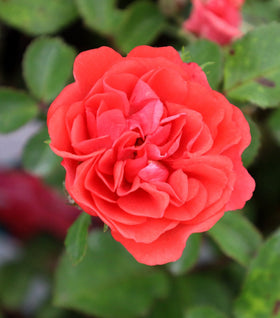
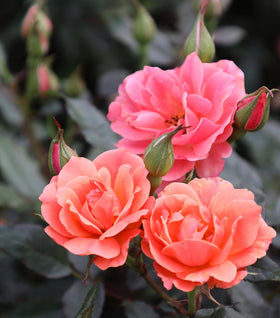

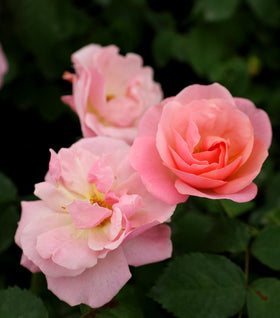
Peach colored roses that make your landscape feel finished.
Peach rose bushes are an easy way to add a “designed” look because the color is warm, approachable, and naturally harmonizes with common landscape palettes—evergreens, brick, stone, and dark mulch all make peach blooms stand out. Use a single shrub as a focal point, or repeat several plants to create a rhythmic effect along a walkway, fence, or foundation line for instant structure and curb appeal.
These roses also shine in mixed borders because peach is a friendly connector color: it bridges pinks and yellows, softens bold reds, and looks especially good with blues and purples for contrast. If you want a bed that looks intentional without being complicated, plant peach roses as the repeating “anchor,” then weave in lower perennials and ornamental grasses to keep the base of the shrubs attractive between flushes.
For smaller spaces and patios, peach roses are strong container candidates when you can give them sun and consistent watering. Containers let you place fragrance and color exactly where you’ll enjoy them, and a peach-bloom tone tends to look flattering in close-up seating spaces—especially when you’re after a calm, romantic vibe rather than high-contrast drama.
What peach color looks like and how big these plants get.
Peach roses are not one single “type”—they can include compact landscape shrubs, classic bloom forms for cutting, and spreading forms that fill space with clusters of flowers. That’s good news: you can shop the peach color family while still choosing the bloom style that matches your goal (mass color in the landscape vs. standout blooms for vases).
Mature size varies by variety and climate, but many rose bushes are planned in the “shrub range,” meaning a few feet tall and wide once established. The best planning move is to design around mature width (not the current pot), because roses branch and flower better when they aren’t crowded—and maintenance is dramatically easier when you can reach in to deadhead and prune without fighting a tangled canopy.
Growth rate is best described as steady and responsive: roses fill in faster when they get sun, drainage, and consistent moisture during establishment. In real garden terms, year one is usually about rooting in; seasons two and three are when many roses start showing their “full potential” in terms of fullness and bloom count, as canes strengthen and the plant carries more flower-ready growth.
Plant in sun for stronger blooms and cleaner foliage.
Roses are sun-loving shrubs, and bloom performance is tightly tied to light. A widely used guideline is to aim for about 6 hours of direct sun for larger roses, because lower light can reduce flowering and lead to weaker, thinner canes. Morning sun is especially helpful because it dries foliage more quickly after rain or dew.
Spacing is a quiet superpower for roses. Giving plants room for airflow helps foliage dry quicker and reduces conditions that encourage black spot and other leaf issues; it also makes pruning simpler and helps light reach into the plant so bloom production is more consistent. Practical spacing ranges vary by variety, but planning for “a few feet between shrubs” (and wider for more vigorous growers) is a smart default for long-term health and easier maintenance.
Soil drainage matters just as much as sun. Roses strongly prefer well-drained sites, and watering at the base (drip or soaker under mulch) is repeatedly recommended to reduce splashing and leaf wetness, which can spread spores and intensify disease pressure. If you do only one technique upgrade, make it base watering.
Simple care that keeps peach roses blooming.
Pruning timing is where rose confidence comes from. Many rose-care resources recommend pruning in late winter to early spring rather than in late fall, because early/fall pruning can invite cold injury and can trigger tender growth that’s vulnerable to freezes. The goal is to remove dead or weak wood, shape for an open structure, and encourage strong new canes that flower well.
For disease prevention, focus on the proven basics: plant in high light, space for airflow, remove diseased leaf litter, prune out infected wood, and water at the base. These cultural steps are widely emphasized because black spot and similar issues thrive when leaves stay wet, and infected debris remains in the bed.