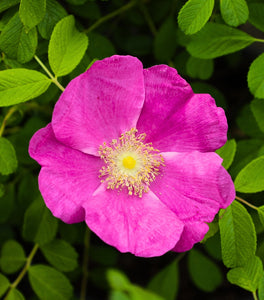
Images Depict Mature Plants
Iceberg Rose
Rosa 'Korbin'
Iceberg is one of those roses I recommend when someone wants classic white blooms without the drama—clusters of bright flowers, a gentle fragrance, and a shrub shape that fits right into real-life beds and borders. Give it sun, don’t crowd it, water at the base, and it will keep blooming in a way that makes the garden feel fresh all season long.
📦 Free shipping on orders over $99.
Delay shipping by leaving us a message at Checkout.
Share:


Iceberg Rose for Bright White Blooms, Easy Color, and Classic Garden Style
Bright White Blooms That Keep Coming In Clusters
Iceberg Rose is famous for a reason: it produces crisp, bright white flowers in generous clusters, so the plant looks “in bloom” instead of showing a bloom here and there. The flowers are semi-double with a fresh, clean look that brightens mixed borders, softens evergreen backdrops, and makes the whole garden feel lighter and more polished. It’s one of those roses that reads beautifully from a distance and still looks lovely up close.
Bloom cycles repeat through the season, giving you color from late spring into early fall in most climates. That steady flowering makes Iceberg a top pick for gardeners who want reliable white roses for long stretches of the year. If you’ve been hunting for a white rose that doesn’t disappear after a short flush, Iceberg is a strong, classic choice.
A Light Fragrance And Dark Green, Shiny Foliage
Iceberg brings a pleasant rose fragrance that’s noticeable without being overpowering, especially when planted near paths, patios, or an entry walk where you pass it often. White roses can sometimes feel “quiet,” but Iceberg has presence because the blooms sit nicely against dark green, glossy foliage. That contrast makes the flowers pop and keeps the plant looking attractive even between bloom flushes.
The lightly thorned stems and upright, rounded habit make it easy to integrate into real-world landscapes. It looks equally at home in a cottage-style border with perennials or in a more structured foundation bed where you want repeat color and tidy greenery. When you combine clean foliage, steady bloom clusters, and gentle scent, you get a rose that feels both classic and easy to live with.
Perfect Size For Borders, Foundation Beds, And Flowering Hedges
As a shrub rose, Iceberg typically matures to 3–4 feet tall and 2–3 feet wide, a sweet spot for home landscapes. It’s tall enough to read as a real flowering shrub, but compact enough to fit into beds without taking over. Use it as a repeating plant along a walkway, as a bright accent in a border, or as a simple way to “lift” a darker planting with clean white blooms.
Iceberg is also a standout for hedges because it fills in well and blooms in clusters for months. A row of Iceberg roses gives you that classic white-rose look with a more landscape-friendly shape. If you want a flowering hedge that feels timeless and welcoming, Iceberg is one of the easiest ways to get there.
Train It Taller For A Soft, Climbing Look If You Want
One of the fun advantages of Iceberg is flexibility. While it’s commonly grown as a rounded shrub, it can also be trained upward on a support for a taller, more vertical effect. In ideal conditions and with training, it can reach much taller heights, giving you a softer, bloom-filled look on a trellis, fence, or arbor without switching to a completely different rose type.
If you want to keep it as a shrub, a simple yearly prune maintains a tidy form and encourages vigorous new flowering growth. If you want to train it, focus pruning on guiding strong canes where you want them and removing weak, crowded growth. Either way, you’re choosing a white rose that adapts to your design goals instead of boxing you into one look.
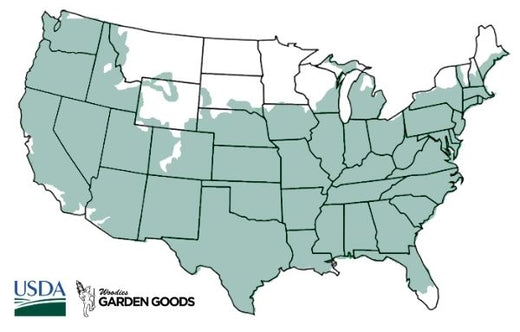
| Hardiness Zone: | 5-9 |
|---|---|
| Mature Height: | 3 to 4 Feet, up to 12 feet when trained |
| Mature width: | 2 to 3 Feet |
| Sunlight: | Full sun to partial shade |
| Bloom Time / Color | Late spring to early fall; bright white, reblooming clusters |
| Soil Condition: | Well-drained, fertile soil |
| Water | Medium; deep watering, allow slight dry-down between waterings |
| Wildlife Value | Attracts bees and beneficial pollinators when blooming |
| Resistance | Not reliably deer resistant; strong performance with sun + airflow; good disease resistance |
| Landscape Uses | Borders, foundation beds, flowering hedge, cutting garden, trellis training, white color accents |
How to Care for Iceberg Rose
Be sure to read our planting instructions to ensure a healthy and happy plant for years to come!

How should I plant Iceberg Rose?
Plant Iceberg Rose in full sun to partial shade in well-drained soil. Dig a hole about twice as wide as the root ball and set the plant so the top of the root ball sits level with the surrounding soil. Backfill with native soil, water deeply to settle, and shape a shallow watering ring to guide water into the root zone. Add 2–3 inches of mulch to conserve moisture and reduce weeds, keeping mulch a few inches away from the base of the plant. Space plants so air can move between them, especially in humid climates. A sunny, well-drained site with good airflow is the simplest recipe for repeat bloom and healthier foliage.

How often should I water Iceberg Rose after planting?
Water deeply right after planting, then keep the root zone consistently moist (not soggy) during the first several weeks. A good starting rhythm is a deep soak about once per week, increasing to twice per week during hot weather, sandy soils, or windy conditions. After the plant is established, water during extended dry spells and during heavy bloom periods for best flower production. Water at the base rather than overhead so foliage stays drier. Deep, less-frequent watering encourages stronger roots and better resilience.

When should I fertilize Iceberg Rose?
Fertilize in early spring as new growth begins using a rose fertilizer or balanced slow-release fertilizer. Apply it over the root zone rather than against the stems, then water well so nutrients move into the soil where feeder roots can absorb them. Feed again after the first major bloom flush to support repeat flowering through summer. Avoid heavy late-season fertilizing, which can push tender growth when the plant should be slowing down. Consistent, moderate feeding supports better bloom cycles and sturdier growth.

When and how should I prune Iceberg Rose?
Prune Iceberg Rose in late winter or early spring before active growth begins. Remove dead, damaged, or crossing stems first, then thin crowded growth to open the center for airflow. Lightly shape the shrub to maintain a rounded form and encourage vigorous new flowering growth. During the season, deadhead spent clusters if you want the tidiest look and quicker rebloom, though Iceberg can still perform well with minimal fuss. If you’re training it taller, focus on keeping strong canes and guiding them onto a support while removing weak, tangled growth. A simple yearly prune keeps it productive and easier to manage.