
Drought-Tolerant Plants for Colorful, Low-Water Landscapes
If your summers run hot and rain runs late, our drought-tolerant plants deliver dependable color with far less water once established. We handpick heat-tough perennials, such as salvia, catmint, echinacea, coreopsis, and agastache, then round out the palette with architectural accents—yucca and hesperaloe (also known as red yucca)—and ornamental grasses for movement and four-season structure. These varieties earn their keep through smart biology: aromatic or narrow foliage that limits transpiration, deep or fibrous roots that mine moisture, and branching habits that keep blooms coming. Translation: lower water bills, fewer replacements, and beds that look intentional and high-end even in a dry spell.
Buying from Garden Goods Direct means nursery-grown quality, clear planting guidance, and fast shipping—backed by our We Grow Together Promise. For quick wins, mass mounded bloomers up front, set upright spires for rhythm, and weave in fine grasses to catch light. Plant in well-drained soil, water deeply but infrequently during establishment, mulch 2–3", and then dial irrigation back so roots grow down, not sideways. Whether you’re converting a sunny strip, refreshing a south-facing foundation, or building a true xeriscape, this collection helps you buy drought-tolerant plants online with confidence—and enjoy a landscape that stays vibrant when the weather doesn’t cooperate.
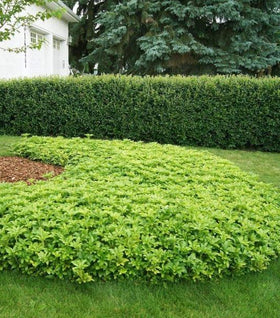
Pachysandra (Japanese Spurge)
As Low As $18.95


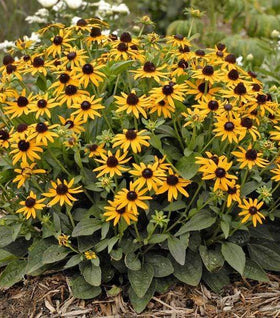
Goldsturm Black Eyed Susan
As Low As $18.95


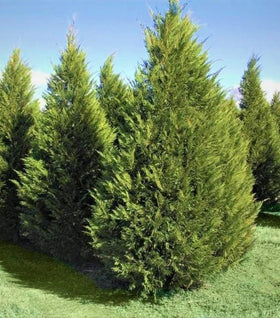
Dunstan Chestnut Tree
As Low As $79.95


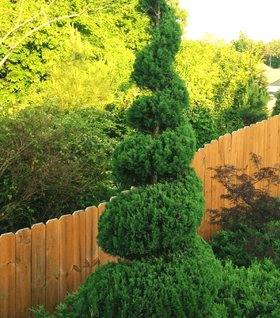
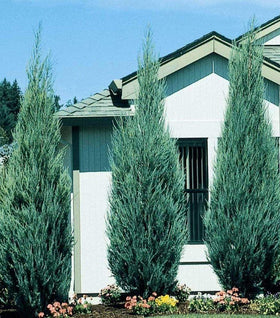
Blue Point Juniper Spiral Topiary
As Low As $87.95
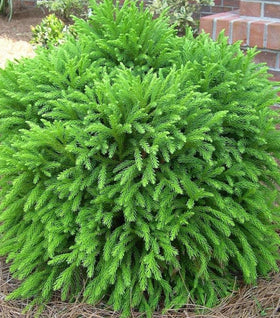
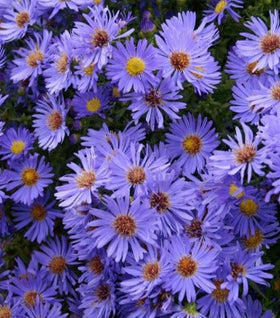


Mediterranean Pink Heather
As Low As $36.95
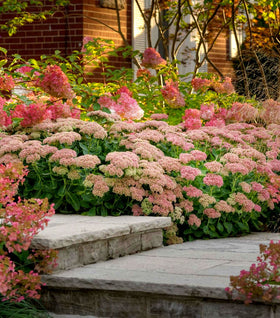

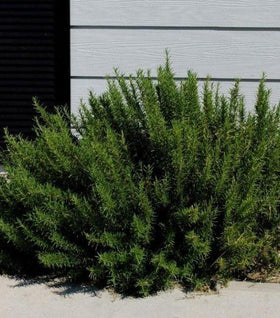
Rosemary Tuscan Blue Topiary
$29.95
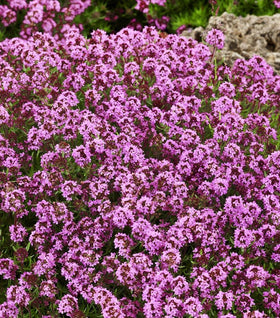
Red Creeping Thyme
As Low As $16.95
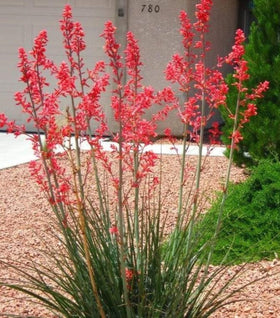

Autumn Brilliance Serviceberry
As Low As $89.95


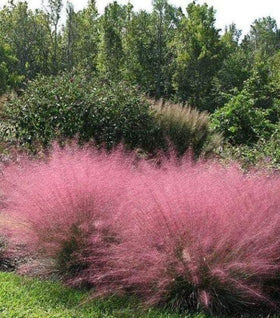
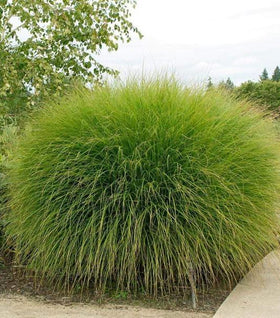
Mexican Feather Grass
As Low As $21.95
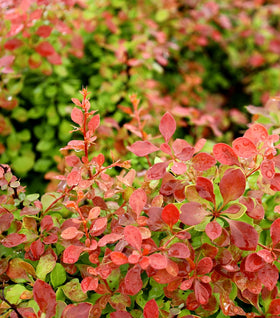

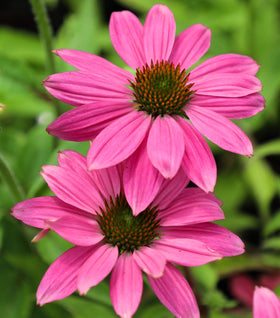
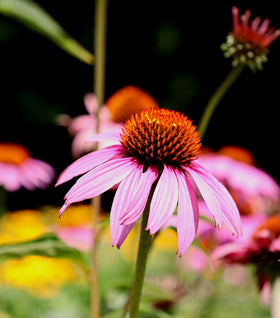
PowWow Wild Berry Coneflower
As Low As $19.95
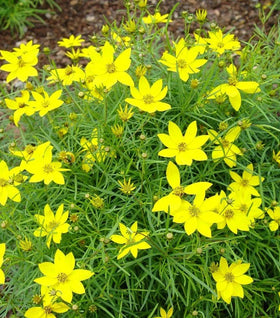
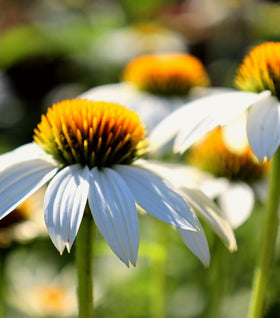


Cheyenne Spirit Coneflower
As Low As $18.95
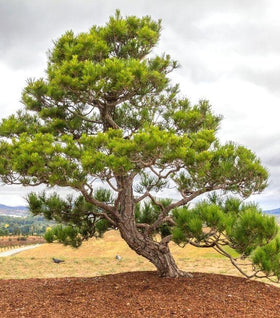
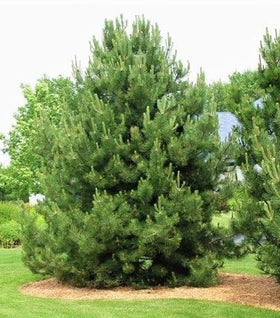
Japanese Black Pine
As Low As $24.95


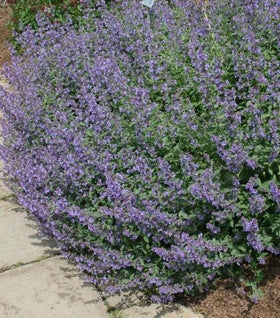
Purrsian Blue Catmint
As Low As $18.95

Golden Euonymus
As Low As $19.95

Water-Wise Color That Lasts
Create vibrant borders that bloom from late spring to frost without requiring constant irrigation. Start with long-blooming plants—such as salvia, catmint, agastache, and coreopsis—then accent with evergreen structure from yucca or small conifers, and add motion with ornamental grasses. The result is continuous color and texture that performs between rainfalls and still reads premium from the street.
- Mix spires, daisies, and airy clouds to maintain high interest on low water.
- Choose silver/blue foliage for built-in drought efficiency and cool contrast.
- Thread in pollinator magnets so bees, butterflies, and hummingbirds benefit, too.
Forms & Foliage Built for Sun (Structure, Contrast & Curb Appeal)
Design with shape first: upright spires for rhythm along drives and walks, mounded perennials for color blocks, and strappy or architectural forms for drama against stone or siding. Add fine grasses to catch light and wind, extending interest into fall and winter.
- Uprights (Salvia, Veronica) = vertical emphasis and repeat shearing for rebloom.
- Mounds (Echinacea, Coreopsis) = saturated color and strong massing.
- Strappy/Architectural (Yucca, Hesperaloe) = sculptural accents with minimal water.
- Grasses (Panicum, Muhlenbergia) = four-season structure and easy care.
Landscape Uses That Save Water (Xeriscapes, Foundations & Hot Spots)
Replace thirsty turf with xeric borders that celebrate bloom and movement. Refresh foundations using evergreen bones plus seasonal color, and stabilize sunny slopes with deep-rooted plants that reduce erosion and irrigation needs. Hot urban strips, parking islands, and south-facing walls are prime real estate for heat-reflective champions that thrive where sprinklers underperform.
- Front-yard conversions: swap lawn for layered, low-water beds.
- Foundation framing: evergreen anchors with long-bloom companions.
- Slope solutions: grasses and drought-tolerant perennials for soil health and habitat.
Low-Input Care Guide (Planting, Establishment & Long-Term Wins)
Success starts on day one: plant in well-drained soil, set the root flare at grade, and water deeply but infrequently to encourage roots to grow downward. After the first growing season, most selections need water only during extended droughts. Use 2–3 inches of mulch (bark or gravel) pulled back from the stems to conserve moisture and keep the crowns dry.
- Deadhead or shear rebloomers (salvia, catmint) to extend color.
- Fertilize lightly—overfeeding can reduce drought resilience.
- Winter cutback for grasses/perennials; evergreens need minimal shaping.