


Red Cyclamen
Cyclamen persicum
Red Cyclamen is one of my favorite alternatives to the traditional Christmas poinsettia. The flowers are an incredibly rich red, and their unusual butterfly-like shape really makes the plant stand out. I especially like the way those bright flowers contrast with the silver-patterned leaves. It makes a beautiful Christmas gift, but it is also a wonderful plant to brighten a home during the darker winter months. The secret to keeping it looking its best is to remember that Cyclamen likes cooler temperatures than most houseplants. Give it a bright, cool location, avoid overwatering, and those beautiful red flowers can continue making a statement long after Christmas.

15% Off Sitewide Sale!
Use Code 'SEASON15' At Checkout
📦 Free shipping on orders over $99.
Share:Recommended Add-Ons


Brilliant Red Flowers for Christmas, Winter Decorating, and Thoughtful Holiday Gifts
A Beautiful Living Christmas Gift with Brilliant Red Flowers
Red Cyclamen is a beautiful flowering houseplant that brings the traditional colors of Christmas into the home with its vivid red flowers and richly patterned green foliage. Botanically known as Cyclamen persicum, this winter-blooming plant produces distinctive flowers that rise gracefully above the leaves, creating a cheerful display during the colder months. Its brilliant red petals make it especially attractive for Christmas decorating, holiday entertaining, and thoughtful seasonal gifts.
For anyone looking for a living Christmas gift, Red Cyclamen offers something more personal than a traditional decoration. It is a wonderful present for family members, friends, neighbors, teachers, and holiday hosts who appreciate flowering plants. Unlike cut flowers that fade quickly, a healthy Red Cyclamen can continue producing blooms for weeks when provided with the cool temperatures and bright light it prefers.
Vibrant Red Winter Flowers That Capture the Spirit of Christmas
One of the most striking features of Red Cyclamen is its unusual flower shape. Each bloom develops on a slender stem above the foliage, with the petals sweeping upward and backward like the wings of a butterfly. The saturated red flowers create a beautiful contrast against dark green leaves, giving the plant a lively, colorful appearance that stands out among traditional holiday greenery.
Red Cyclamen looks particularly attractive displayed alongside evergreen garlands, Christmas wreaths, gold ornaments, and other seasonal decorations. Use it as a festive centerpiece, a colorful accent near a bright window, or a thoughtful hostess gift during holiday celebrations. Its compact shape makes it especially useful in apartments, offices, smaller rooms, and other spaces where a larger flowering plant might be impractical.
Decorative Silver-Patterned Foliage Adds Beauty Between Blooms
Red Cyclamen is valued for more than its flowers. Its heart-shaped leaves often feature intricate silver or gray-green patterns that contrast beautifully with the rich green background. The foliage forms a compact mound beneath the upright blooms, giving the plant an attractive shape that requires very little maintenance.
These decorative leaves remain an important part of the display even when individual flowers fade. The combination of patterned foliage and vivid red flowers gives Red Cyclamen an elegant appearance that complements traditional Christmas arrangements and contemporary winter décor. When positioned in a bright, cool room, the plant can remain attractive throughout its active growing season.
A Cool-Weather Flowering Houseplant That Brightens Winter
Red Cyclamen is naturally adapted to cooler growing conditions, making it especially suitable for winter flowering. Unlike tropical houseplants that thrive in warm indoor temperatures, florist's Cyclamen performs best when the surrounding air remains relatively cool. Bright indirect sunlight and temperatures around 50–65°F help encourage healthy growth and extend the flowering display.
A bright windowsill, cool sunroom, or well-lit room away from heating vents is often an excellent location. Avoid placing Red Cyclamen near fireplaces, radiators, or other sources of hot, dry air, since excessive warmth can shorten the flowering period. With proper watering, good air circulation, and cooler temperatures, this attractive red flowering houseplant can provide color well beyond the Christmas season.
A Thoughtful Flowering Gift That Can Be Enjoyed Beyond Christmas
Although Red Cyclamen is commonly purchased as a holiday flowering plant, it is actually a tuberous perennial that produces new leaves and flowers in subsequent seasons. With the right care, the plant can be maintained after its initial bloom display and encouraged to flower again when favorable growing conditions return.
As spring progresses and temperatures rise, the plant may begin to slow its growth and enter a natural resting period. Flowers fade, and leaves gradually yellow as the plant prepares for dormancy. Reduce watering as the foliage declines, then resume regular care when fresh growth appears. In colder climates, Red Cyclamen should be maintained as a protected container plant rather than permanently planted outdoors, since florist's Cyclamen is not winter-hardy in most northern gardens.
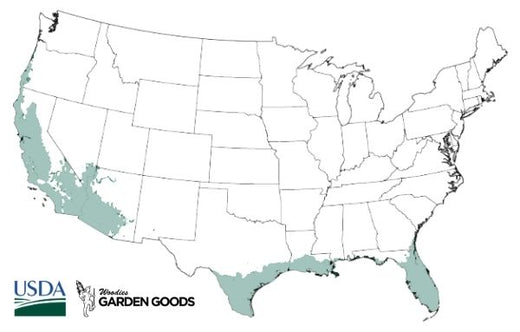
| Hardiness Zone: | 9-11 |
|---|---|
| Mature Height | 6 to 12 Inches |
| Mature Width | 6 to 12 Inches |
| Sunlight | Indoors: Bright indirect sunlight. Outdoors: Bright shade or protected partial shade |
| Soil | Rich, well-drained potting soil |
| Water | Keep lightly and evenly moist during active growth; avoid saturated soil and wetting the crown |
| Foliage Color | Heart-shaped dark green leaves with decorative silver-gray patterns |
| Bloom Time | Fall through winter into spring |
| Ornamental Features | Upswept red flowers, silver-patterned foliage, compact mounding form |
How to Care for Red Cyclamen
Before you buy a Red Cyclamen Plant, make sure to read about the recommended care instructions to keep this plant healthy and flourishing.

How should I plant Red Cyclamen?
Red Cyclamen is best enjoyed as an indoor flowering plant during the holiday season and throughout winter. Keep it in its nursery container or place that container inside a decorative pot with adequate drainage. Cyclamen prefers a well-draining potting mix, and the top of the tuber should not be buried too deeply because excessive moisture around the growing crown can lead to rot. Choose a bright indoor location protected from harsh afternoon sunlight and hot, dry heating vents. There is usually no need to repot a healthy Red Cyclamen immediately after receiving it. If the plant eventually requires a larger container, repot during the appropriate stage of its growth cycle using fresh potting mix. In mild climates, florist's Cyclamen can sometimes be grown outdoors in protected containers, but gardeners in colder regions should maintain it indoors or move it outside only during suitable frost-free weather.

How often should I water Red Cyclamen?
Red Cyclamen prefers lightly moist soil during its active flowering season but should never remain waterlogged. Check the potting mix regularly and water when the surface begins to feel dry. Apply water carefully around the outer edge of the container rather than directly into the center of the plant. Bottom watering is another effective method: allow the pot to absorb moisture briefly, then remove it and let excess water drain completely. Avoid allowing the root ball to dry out completely while the plant is actively growing, since inconsistent watering can cause wilting and shorten the flowering display. As the plant naturally enters dormancy, gradually reduce watering. During the resting period, the tuber needs considerably less moisture, and keeping the soil constantly wet can cause decay.

When should I fertilize Red Cyclamen?
Red Cyclamen benefits from light feeding while actively producing new leaves and flowers. Apply a diluted fertilizer formulated for flowering houseplants approximately every two to four weeks during active growth, following the manufacturer's recommendations. Avoid applying excessive fertilizer, since too much nitrogen can encourage foliage growth at the expense of flowers. Stop fertilizing when the plant begins its natural dormant period. Once fresh leaves emerge and growth resumes, gradually return to normal watering and occasional feeding. Maintaining cool temperatures, sufficient light, and proper soil moisture will generally have a greater influence on flowering performance than frequent fertilizer applications.

When and how should I prune Red Cyclamen?
Red Cyclamen does not require conventional pruning, but removing spent flowers and yellowing leaves helps maintain an attractive appearance and may encourage continued flowering. When a flower fades, grasp the stem near its base and carefully twist and pull it free rather than leaving a short stem behind. This helps prevent decaying plant material from remaining around the growing crown. As the plant begins entering dormancy, allow healthy green leaves to remain until they gradually yellow on their own. Once the foliage has died back, remove the spent growth and reduce watering. Avoid cutting away healthy foliage prematurely, since the plant needs its leaves to replenish energy reserves in the tuber for future growth.


