Images Depict Mature Plants
Burning Hearts Heliopsis
Heliopsis helianthoides var. scabra 'Burning Hearts'
Burning Hearts gives you the durability of false sunflower with much more contrast than the standard green-and-yellow types. The red-orange flower centers pick up the purple in the stems and foliage, so the whole plant looks coordinated instead of simply colorful. Give it full sun and average soil, and resist the urge to overfeed it. A light trim in May is also worthwhile when you want a fuller plant that stays a little shorter without sacrificing the long summer display.

20% Off Sitewide Sale!
Use Code 'ENDOFSEASON20' At Checkout
📦 Free shipping on orders over $99.
Delay shipping by leaving us a message at Checkout.
Share:

Fiery Bicolor Flowers Above Dramatic Purple Foliage
Golden Flowers Ignite with Fiery Red-Orange Centers
Burning Hearts Heliopsis brings a dramatic new color combination to the dependable false sunflower. Its daisy-like flowers feature golden-yellow outer petals surrounding rich red-orange centers that appear to bleed outward into the base of each petal.
The warm bicolor pattern creates a glowing effect in direct sunlight. From a distance, the flowers read as gold and orange; up close, their red centers and gradual color transitions reveal considerably more detail.
Burning Hearts begins flowering in summer and can continue producing buds into early fall. In favorable conditions, established plants may remain colorful from June or July through September and even into October.
Removing faded blooms encourages the plant to keep producing flowers rather than directing all its energy into seed. Gardeners who prefer to support birds can deadhead through most of the summer, then leave the final flower heads standing to mature.
Purple Stems and Dark Foliage Deepen the Color Display
Burning Hearts offers ornamental value before the first flower opens. Its upright stems develop deep purple to reddish-purple coloring, while the coarse green leaves are overlaid with bronze, burgundy, or dark purple tones.
This darker foliage separates Burning Hearts from conventional green-leaved false sunflowers. It creates a rich background that makes the golden flowers appear brighter and gives the plant a more substantial presence in the border.
The strongest foliage and stem coloring generally develops in full sun. Plants grown with less light may become greener, taller, or less sturdy, even though they can still flower.
Because Burning Hearts is grown from seed, individual plants can show modest differences in foliage darkness, flower markings, and mature height. The overall yellow, red-orange, and purple character remains consistent, but natural variation should be expected.
A Tall Upright Perennial for the Middle or Back of the Border
Burning Hearts Heliopsis generally grows 36 to 48 inches tall and approximately 18 to 24 inches wide. Its upright clumping form makes it well-suited to the middle or back of a sunny perennial border.
Use one plant as a vertical accent or repeat several through a broad bed for a stronger wave of gold, red, and purple. The narrow spread makes it easier to incorporate among ornamental grasses, coneflowers, garden phlox, and other summer perennials than plants with equally tall but much wider habits.
The long stems also make excellent cut flowers. Harvest newly opened blooms in the morning and place them promptly in water for warm-colored arrangements that pair naturally with purple, blue, white, and burgundy flowers.
Rich soil, frequent fertilizing, or too much shade can encourage softer growth that needs support. Full sun and average garden soil help Burning Hearts maintain a tidier, sturdier habit.
Long Summer Flowers Support Pollinators and Songbirds
Burning Hearts is a cultivated selection of false sunflower, a perennial wildflower native across much of central and eastern North America. Its open, daisy-like flower heads provide accessible landing areas for bees, butterflies, and other beneficial insects.
The extended flowering period helps carry pollinator gardens through the hottest part of summer and into early fall. Plant it with coneflowers, agastache, mountain mint, asters, and native ornamental grasses to create a longer succession of nectar and pollen.
After pollination, the central disks can mature into seed heads filled with small achenes. These seeds may attract songbirds when the final flowers are left standing.
Burning Hearts works naturally in pollinator gardens, native-inspired landscapes, prairie borders, cottage gardens, cutting gardens, and sunny mass plantings. It is a cultivated seed selection rather than a straight native species, but it retains many of the ecological and practical qualities associated with false sunflower.
Full Sun and Average Soil Keep Burning Hearts Strong
Plant Burning Hearts Heliopsis in full sun for the strongest stems, darkest foliage, and heaviest flower display. It can tolerate light partial shade, but excessive shade may produce taller, softer growth that requires staking.
Average, dry-to-medium, and well-drained soil is ideal. Burning Hearts adapts to clay, loam, sandy, and relatively poor soils and does not require rich garden beds to flower well.
Water regularly during the first growing season while the root system establishes. Mature plants tolerate occasional drought, but deep watering during prolonged dry periods helps preserve flowering and prevents unnecessary stress.
Deadhead regularly to extend the bloom season and reduce the number of volunteer seedlings. Plants can also be trimmed by approximately one-third in mid-to-late May to encourage fuller branching and a somewhat shorter mature habit. Cut the remaining stems back after frost or leave them standing through winter for birds before completing cleanup in late winter.
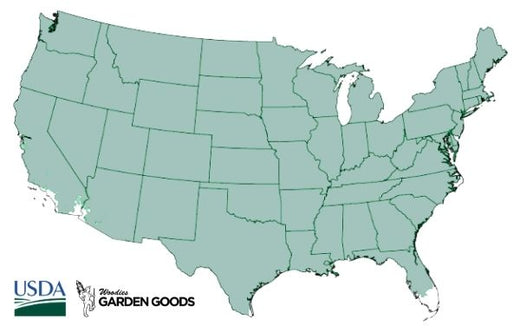
| Hardiness Zone: | 3-9 |
|---|---|
| Mature Height: | 36 to 48 Inches |
| Mature Width: | 18 to 24 Inches |
| Sunlight: | Full sun to light partial sun; at least 6 hours of direct sunlight produces the strongest growth |
| Water Requirements: | Average; water consistently during establishment and during prolonged drought |
| Soil | Average, dry-to-medium, well-drained clay, loam or sandy soil |
| Bloom Time / Color | Summer into early fall; golden-yellow petals with rich red-orange centers |
| Foliage | Coarse, lance-shaped to oval leaves with dark green, bronze, burgundy and purple tones |
| Ornamental Features | Golden bicolor flowers; red-orange centers; purple stems; dark foliage; upright habit; long bloom season |
| Wildlife Value | Attracts bees, butterflies and other pollinators; mature seeds may provide food for songbirds |
| Resistance (deer/disease/drought/etc.) | Generally considered deer resistant; tolerates heat, occasional drought, clay and relatively poor soil; some powdery mildew resistance has been reported |
| Landscape Uses | Pollinator gardens; native-inspired landscapes; prairie borders; cottage gardens; cutting gardens; middle or back borders; mass plantings |
How to Care for Burning Hearts Heliopsis
Be sure to read our planting instructions to ensure a healthy and happy Burning Hearts Heliopsis for years to come!
-v1785775092682.png?92x91)
How should I plant Burning Hearts Heliopsis?
Choose a full-sun location with well-drained soil and enough room for a perennial that can reach approximately four feet tall. Dig a hole about twice as wide as the nursery container but no deeper than the root ball. Set the crown level with the surrounding soil. Backfill with the loosened native soil, press gently around the roots and water thoroughly. Space multiple plants approximately 18 to 24 inches apart. Apply a two-inch layer of mulch to conserve moisture, keeping it slightly away from the crown and lower stems.

How often should I water Burning Hearts Heliopsis after planting?
Water deeply immediately after planting and keep the soil moderately moist during the first growing season. Check the root zone regularly and water when the upper one or two inches of soil begin to dry. Once established, Burning Hearts tolerates occasional dry conditions. Provide a deep soaking during prolonged heat or drought, but avoid constantly saturated soil and frequent shallow sprinkling.
-v1785775093671.png?90x89)
When should I fertilize Burning Hearts Heliopsis?
Apply a light layer of compost around the plant as new growth emerges in spring. Burning Hearts generally performs well in average soil and does not require heavy annual feeding. If growth is weak, use a modest application of balanced slow-release fertilizer according to the label. Avoid excess nitrogen, which can reduce foliage color and encourage tall, soft stems that lean or require staking.

When and how should I prune or cut back Burning Hearts Heliopsis?
Deadhead spent flower heads during summer by cutting each stem back to a healthy leaf or developing side branch. This encourages additional bloom and limits the number of volunteer seedlings. For a shorter, more branched plant, trim the stems by approximately one-third in mid-to-late May. Cut the old growth back after frost, or leave the final seed heads through winter and remove the stems before new spring shoots appear.